Down the Rabbit Hole: Helping Every Learner Find Their Way Into Reading
Guest Blog by Dr Sarah Moseley
There was always something about going back to school that I loved. After those long summer holidays, September meant a trip to the shoe shop for new school shoes, a new skirt and freshly labelled uniform, alongside that mixture of excitement and nerves about what the new school year might bring.
I loved books too, although looking back now, with everything I know about literacy and dyslexia, I realise my relationship with reading wasn’t quite as straightforward as I thought. I often read quickly, scanned pages and picked up the main ideas, but didn’t always take in all the detail. Reading could be tough, even though I loved books, stories and finding things out.
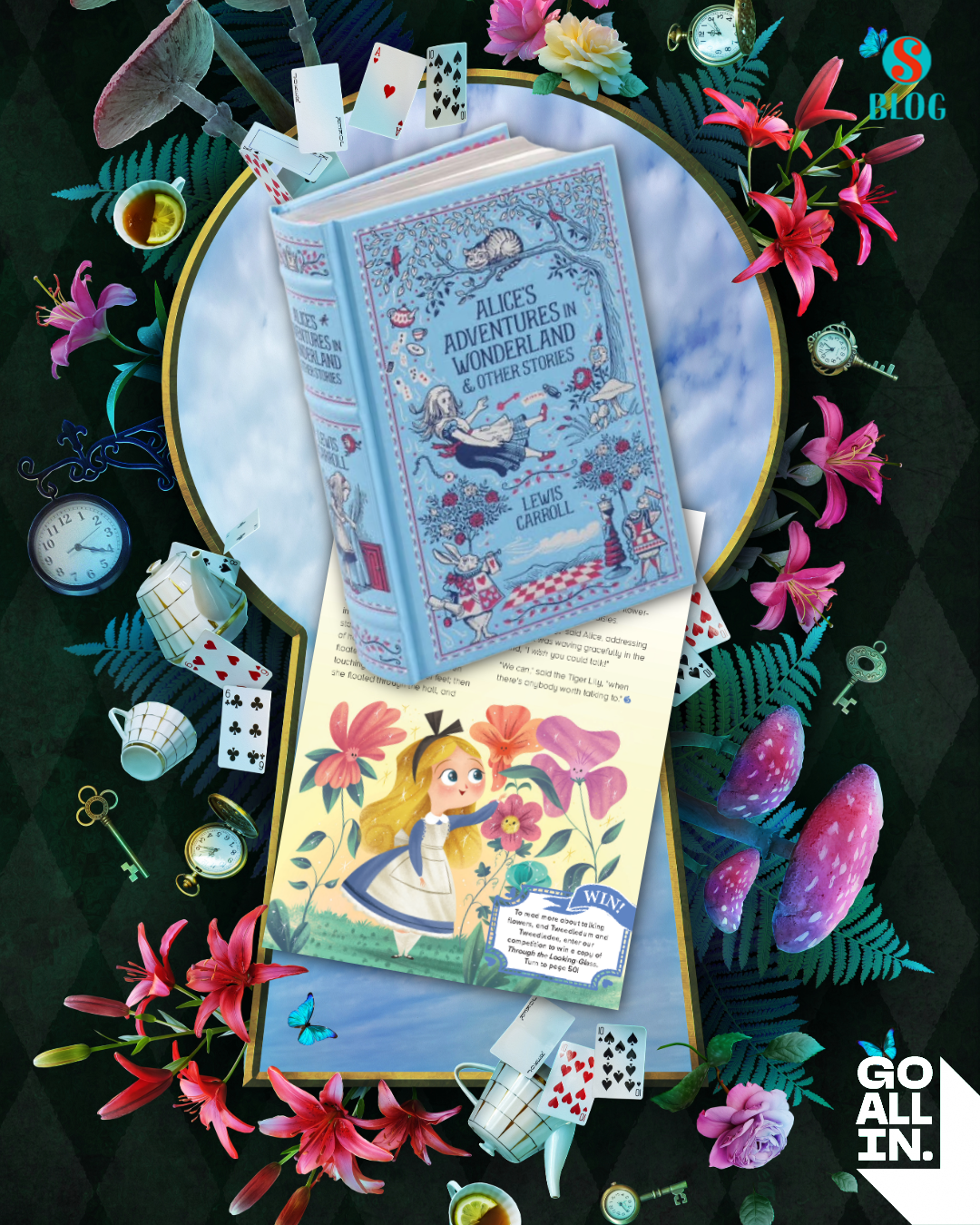 One of my absolute favourites was Alice in Wonderland, but my love of Alice didn’t come from print alone. I read it, listened to it, watched it and saw plays and puppet shows. I particularly loved going to Polka Theatre in Wimbledon and can still remember that feeling of being drawn into another world. I felt as though I was inside the story. All those experiences gave me different ways in and made me want to return to the book.
That feels particularly relevant as we celebrate the National Year of Reading and Go All In. How do we help children and young people, particularly the growing number with dyslexia and other literacy needs, to go all in with reading?
Perhaps we start by recognising there isn’t one way to be a reader. What we can decode, what we understand and what interests us are not necessarily the same thing. A learner may find reading difficult while having the language, knowledge and curiosity to engage with much richer stories, information and ideas. A ten-year-old who struggles to read is still ten, and access to interesting, age-appropriate texts shouldn’t be restricted by what they can currently decode independently.
Finding out what they are into is a great place to start. Football, gaming, animals, music, cooking, space, jokes or something we know nothing about can provide that first hook. From there we can find books, comics, graphic novels, magazines, audiobooks, poetry and non-fiction that give someone a reason to read.
Print has an important place too. There is something wonderful about browsing a shelf, picking up a book and discovering something you weren’t looking for. We can embrace audiobooks, text-to-speech and technology while making sure physical books remain visible, accessible and valued.
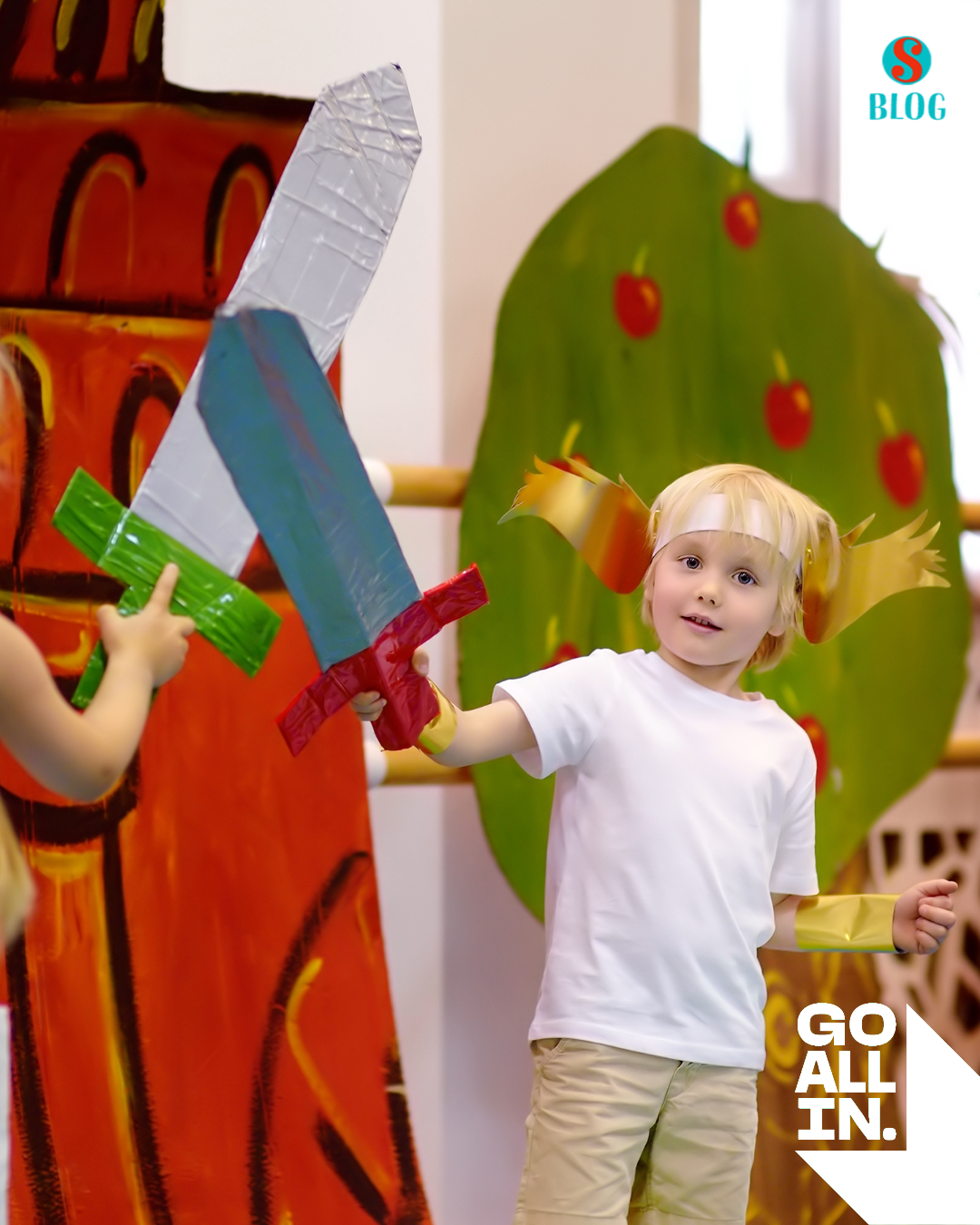 September gives us an opportunity to bring back some excitement when routines may have gone out of the window. Wrap up a book and reveal clues about what is inside, have a mystery book of the week, create a story bag or organise a book hunt. Share a book and experience it another way through audio, performance, puppets or drama.
Reading also needs to become part of everyday routines, but this doesn’t require another huge chunk of time. Five minutes can be enough. A quick quiz, word search, fact-finding challenge or clue provides a reason to read and can easily become part of the week.
Singing can be brilliant too. Rereading matters for developing fluency but repeatedly asking a learner who finds reading difficult to read the same passage can feel like more work. Give that repetition a purpose and it becomes different. Reading song lyrics because you are going to sing together means returning to the words again and again, developing familiarity, phrasing, expression and confidence with a genuine reason to reread.
Reading aloud shouldn’t disappear as children get older either. Hearing somebody bring a great story or interesting text alive gives learners access to vocabulary, language and ideas that may currently be beyond their independent reading. We can talk about what we have read, but we don’t always need questions or a task afterwards. Sometimes we can simply enjoy it.
The bigger challenge is making sure this doesn’t disappear by October. If Go All In is going to mean something, how are we going to embed and celebrate reading throughout the year?
We need to notice milestones that can easily be missed: choosing a book independently, discovering a favourite author, joining in with lyrics, finishing an audiobook, finding information without prompting or recommending something to somebody else. We need to measure progress in decoding, fluency, vocabulary and ultimately understanding increasingly complex text, but I also want to know whether learners are becoming more confident, independent and willing to engage.
 Pupil voice and agency are key. Ask children and young people what they enjoy, what they avoid, what makes reading easier and what they would like to try next. Let them recommend texts and influence what is available. Progress shouldn’t only be measured about learners; they need to recognise and celebrate it themselves.
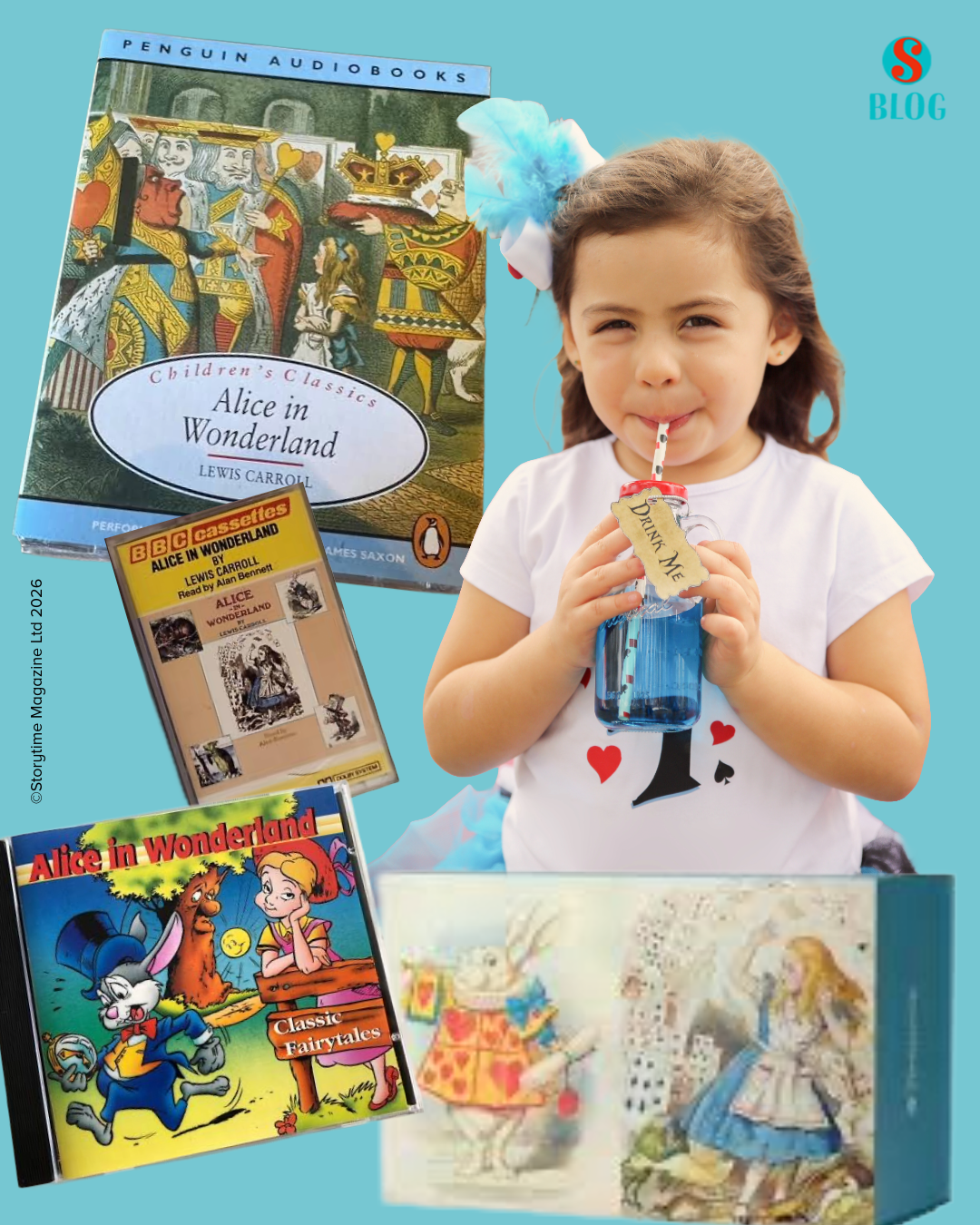
For me, reading was Alice in Wonderland, the print, listening to Prunella Scales (on a story tape), puppets and theatre, all coming together and making me feel as though I had stepped inside the story. For someone else, it will be completely different. We can all get into reading in our own way. As we head back to school, let’s find those ways in, establish the routines, celebrate the milestones and keep them going throughout the year.
If we want every learner to Go All In, we need to give them something worth going all in for.
A huge thank you to our guest blogger, Dr Sarah Moseley – Specialist in Literacy, Inclusion and Neurodiversity – for inspiring our Back to School season with such a wonderful story. We couldn’t agree more: finding a world where you belong, and discovering all the different formats a story can take, is one of the best feelings there is.
Visit Dr Sarah Moseley’s Creating Inclusive Classrooms course for more ideas.
You can also find out more about her incredible work on her website.