From Oral Tales to Printed Pages
This is the National Year of Reading in the UK, so it’s no coincidence that we’re mentioning the National Literacy Trust a lot. They are doing amazing work in promoting Reading for Pleasure!
Earlier this year, at the National Literacy Trust conference in the British Library, Teresa Cremin conducted a practical exercise in which people were invited to pick up a magazine and talk about why they chose it. (This isn’t surprising, because magazines are the BEST conversation starters.)
While everyone gathered around the stage to choose something, our team stayed back and watched. There is something rather fascinating about how people choose what to read. And then we noticed that someone had picked up a copy of Storytime. She opened it and then smiled – the kind of smile that turns into a grin. She began pointing and showing the magazine to others. There was joy on her face, and something more…. it felt personal.
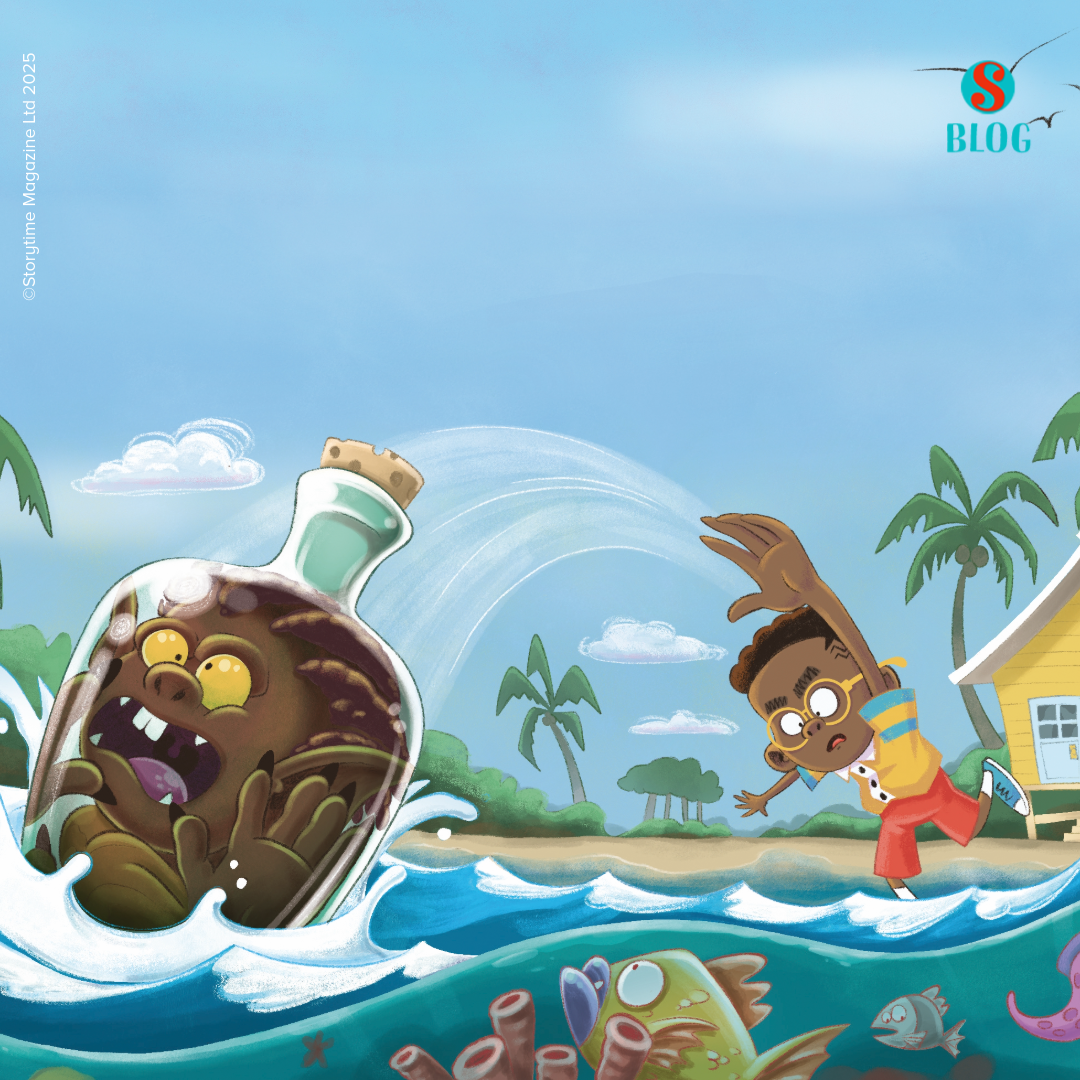 We saw that she had found the story of the Baccoo, from Storytime issue 130.
For those who are unfamiliar with it, the Baccoo is a mythical creature from Caribbean tales, passed down through generations through voice, memory and imagination. The kind of story that lives on in people’s minds and hearts but might never appear on the printed page.
She caught our eye and asked, “Do you know this story?”
“Yes,” we replied. “We published it!”
She told us she had grown up hearing those stories, but had never seen them like this – not in print, not in a children’s magazine, not presented in a way that felt modern, playful and, in her words, cool.
And that word matters because it speaks to something essential in children’s literacy today. Stories are about connection, relevance and belonging.
Long before books existed, stories were spoken. Oral storytelling traditions exist in every culture across the world – from West African folktales to Caribbean legends, from Greek and Mesopotamian epics to European fairy tales. These stories were shared in homes and communities across generations. They carried language, rhythm, values and identity. They were not fixed, though; they evolved with each retelling, shaped by the storyteller and the audience.
In many ways, oral storytelling is the original form of reading for pleasure. (Which is also another nod to why storytelling sessions are such a hit with children – that’s always been the way stories are passed on!)
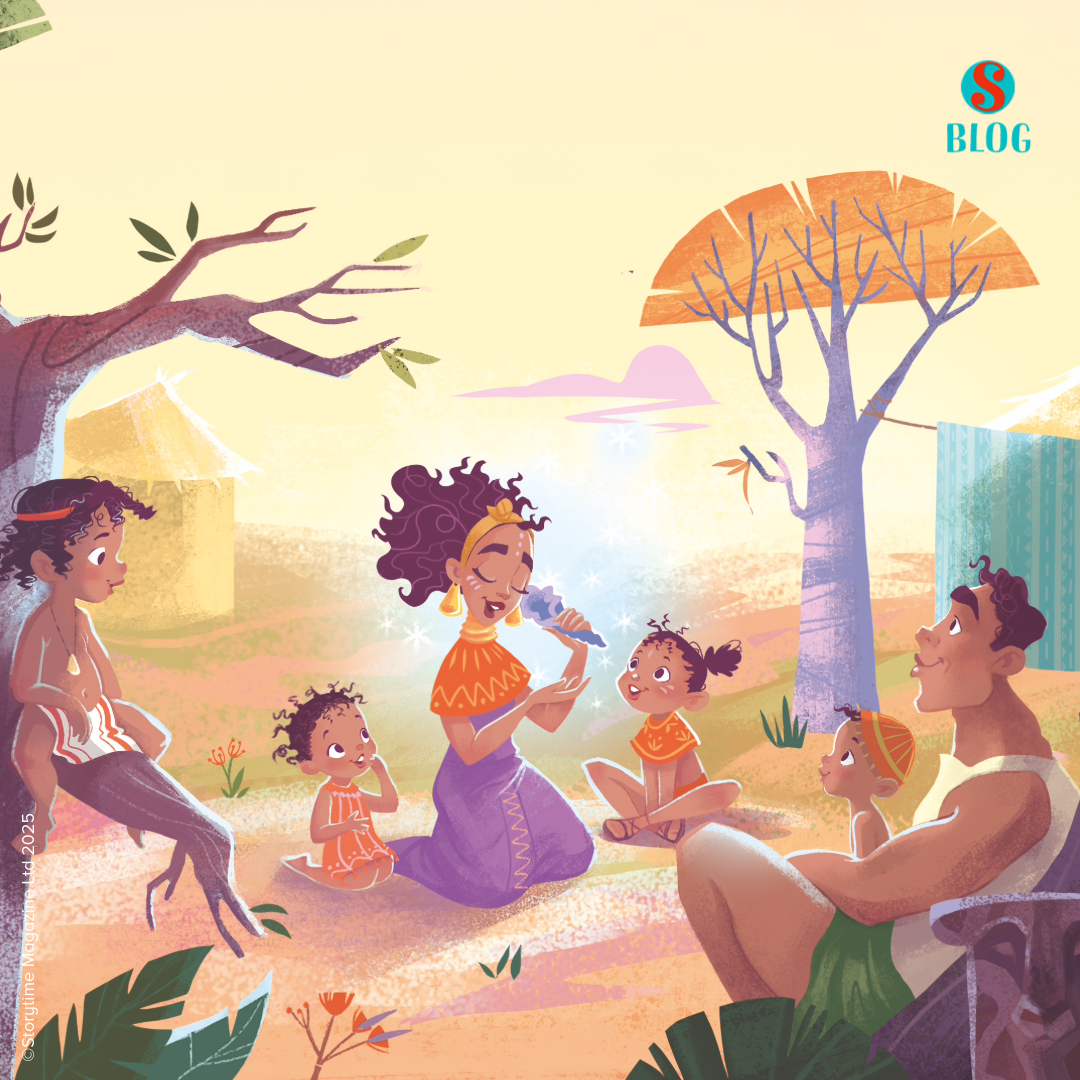 Oral stories and folk tales form the foundation of literacy. Listening attunes us to the rhythm of language, expands vocabularies and sparks imaginations. It creates emotional engagement with stories before children ever encounter words on a page. And yet, it is often undervalued in modern reading frameworks, where the focus can quickly shift towards decoding texts rather than experiencing stories.
Bringing oral tales into print is not simply a process of writing them down. It is a careful act of translating an experience. How do you hold onto the cultural ‘voice’ of each tale and preserve their richness while making them accessible to new readers?
This is something we think deeply about at Storytime when we find them. We love knowing that a story that once lived within a community becomes shareable beyond it. A child might see their own culture reflected back at them, while another child will discover a world they did not know yet. The story lives on as they read it.
For us, there is real joy in bringing these stories to print. It means searching for tales that deserve to be shared, working with storytellers and cultural experts, and crafting each story with care. It means respecting where the story comes from while giving it a form that speaks to today’s children. And yes, it means making it feel exciting, relevant — even cool.
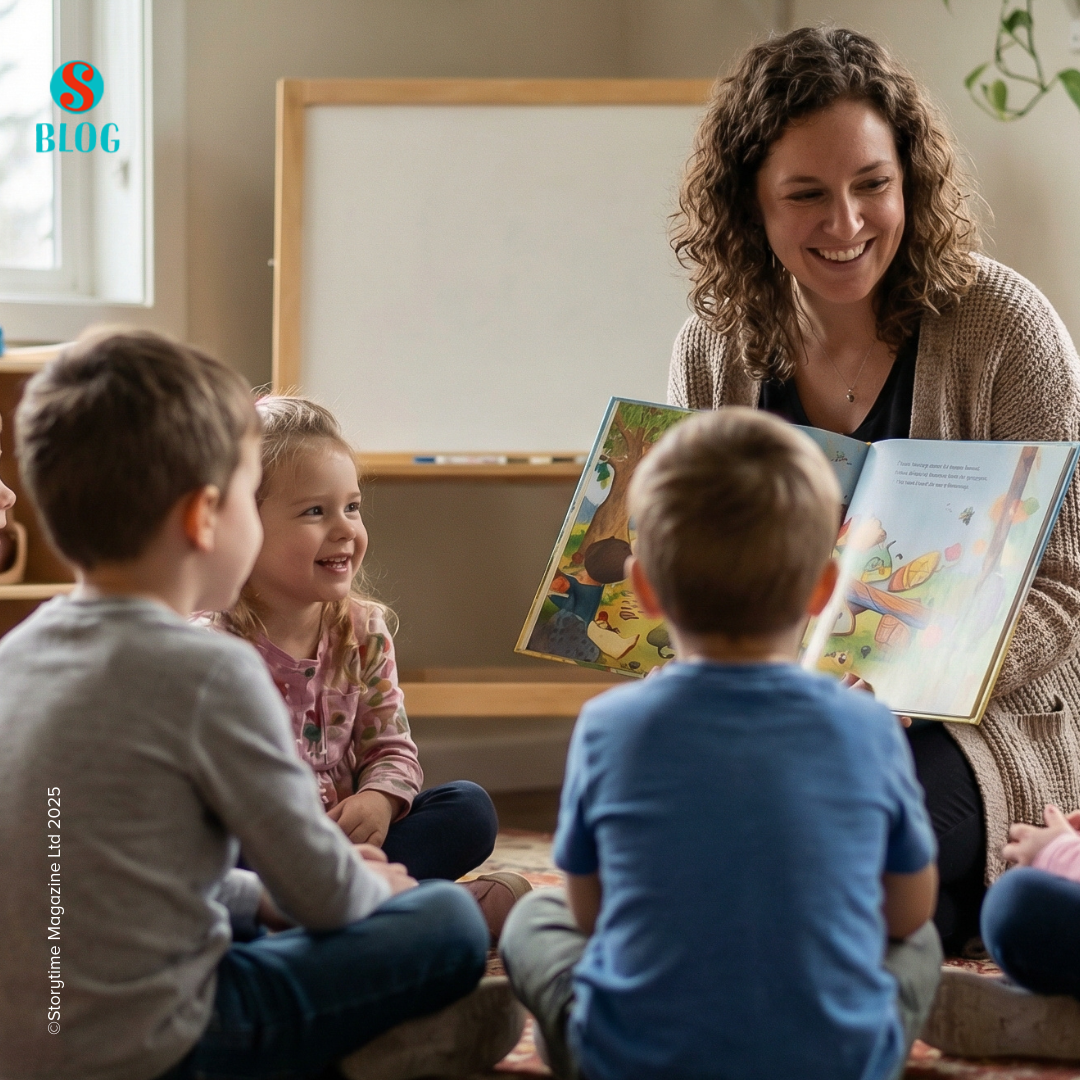 The conversation around diversity and representation in children’s publishing has rightly grown stronger in recent years. We know that when children see themselves in stories, they are more likely to engage, read and feel a sense of belonging. But representation is not only about visibility. It is also about authenticity, respect and storytelling that resonates.
That moment at the conference – when the amazing Sandra Agard, who is a great storyteller and author herself, recognised the story of the Baccoo and shared it – captured all of this in the most wonderful way.
We promise that we will keep searching for amazing oral tales. We will keep finding ways to bring new and diverse stories into your reading experience. And we will keep making space for stories that deserve to be heard, seen and shared.
The journey from spoken story to the printed page is not the end of a story. It is simply another way for it to live on. This summer, if you are travelling and going to new places, look out for stories (they are everywhere!) and share them with others when you are back!