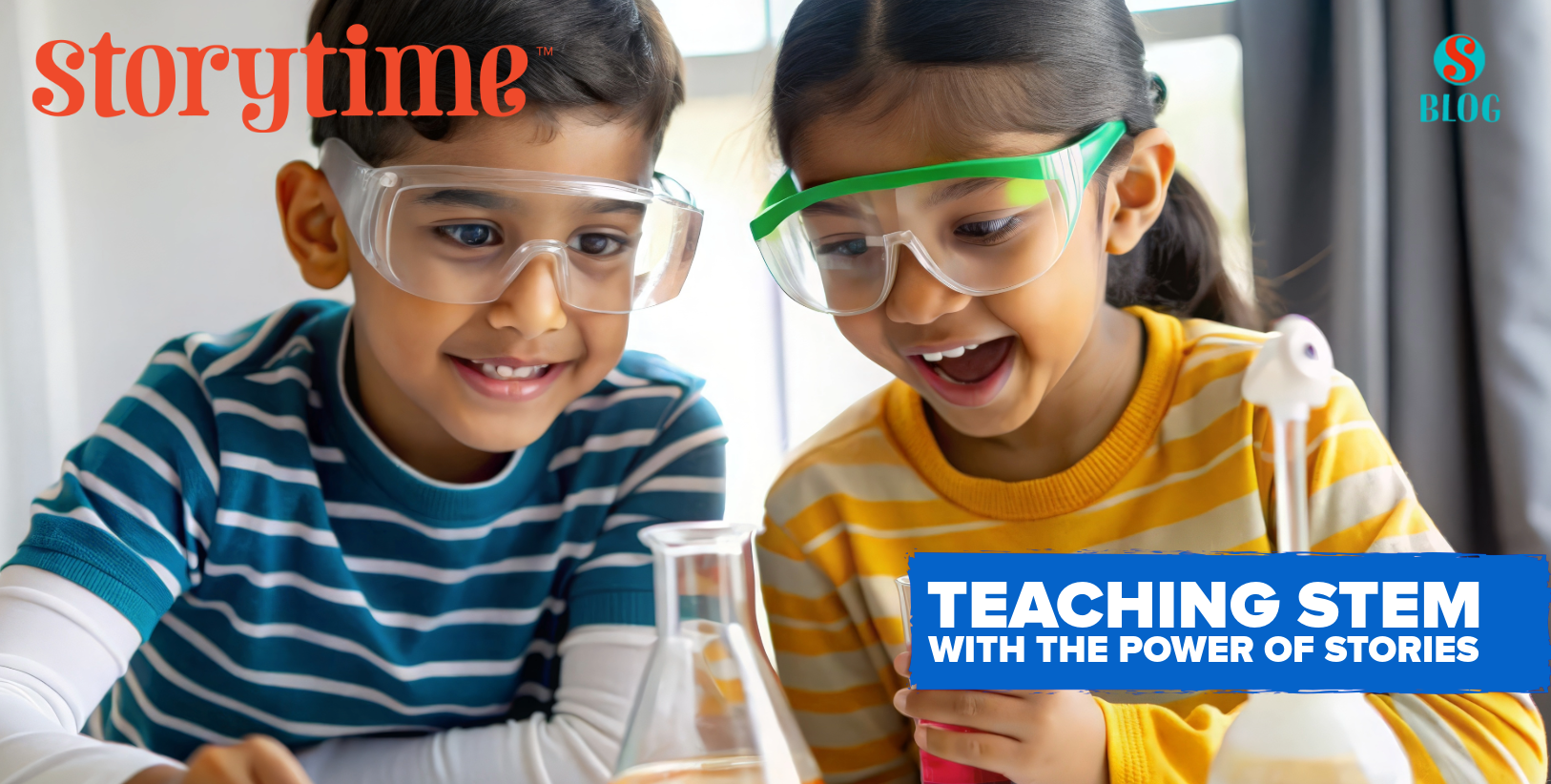
STEM Time – Teaching Science, Technology, Engineering and Maths with the Power of Stories
We really believe in the power of learning through stories. They’re one of the most incredible ways to explore new ideas – fun, engaging, and full of perspective. And the best part? Research shows that when you learn something through a story, you’re much more likely to remember it.
Stories have long been used to teach all kinds of subjects – from Geography to History – and not just in schools. There’s nothing like a thrilling tale to help kids build their vocabulary, develop an understanding of grammar, and discover distant times and places. It just makes everything more fun.
 But did you know that stories can also help us learn STEM – that’s Science, Technology, Engineering and Maths?
How can we introduce big STEM ideas to young readers and open their minds to the endless possibilities in these fields?
Well, scientists have found that humans naturally understand the world through stories! Long before classrooms and textbooks, knowledge was passed down in exciting tales told around the campfire.
With that in mind, we created our brand-new STEM Time section. It’s packed with stories inspired by real science, technology, engineering and maths.
Because STEM isn’t just about numbers, wires, or formulas – it’s about stories too.
Our team has spent quite some time collecting incredible tales from science, history, and technology – surprising, funny, and slightly bonkers narratives that reveal the human side of discovery. These stories aim to share new ideas, start conversations in the classroom, and bring fresh excitement to learning just about everything.
From what makes a robot to what happens to food in space, or even how to measure the volume of an elephant, STEM Time dives into fascinating questions with the help of powerful storytelling.
 Some of the stories you’ll find read soon in Storytime:
- The International Space Station’s unexpected pizza delivery
- The supercomputer that learned how to use bad language
- The surprising origins of Super Glue
- The scientists who rebooted the Voyager-1 probe – from 24 billion kilometres away
These are more than facts – they’re cool, unexpected stories that will hook young readers rand make learning fun. They’ll hopefully engage curious minds across the curriculum or just about the world around them… because we learn way more while we are having a good time!
Even better, we’ve added extra pages packed with fun STEM facts – all presented in a colourful, accessible way. Who knows? They might just spark a lifelong love of scientific discovery.
A little plot twist though… don’t forget that all stories are STEM stories in one way or another!
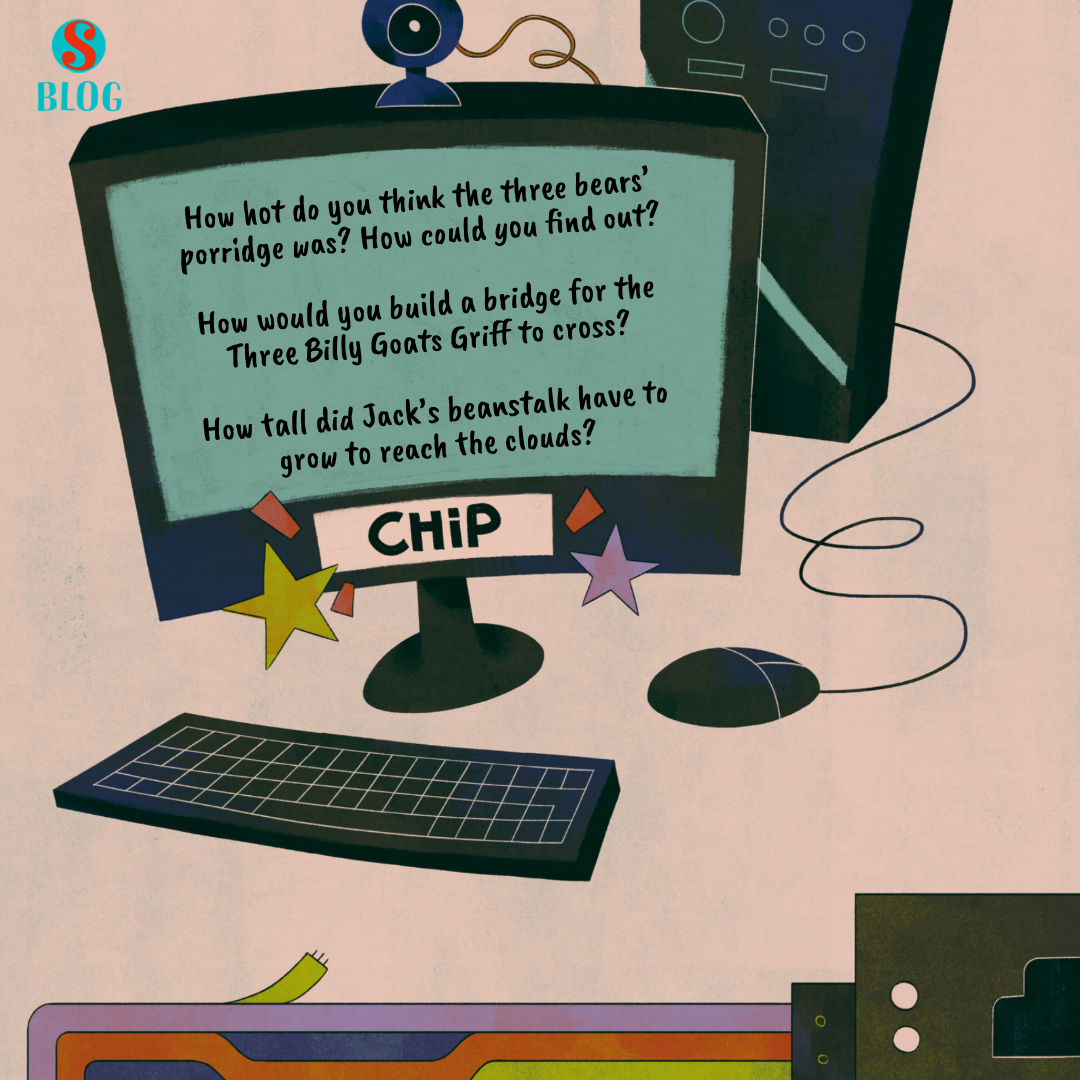 After all, STEM also involves problem-solving, creativity, collaboration and critical thinking, and these things can be found in any story. So, the next time you read Storytime with a little one, why not ask them questions that will help them think about them like a scientist, engineer or mathematician.
How hot do you think the three bears’ porridge was? How could you find out?
How would you build a bridge for the Three Billy Goats Griff to cross?
How tall did Jack’s beanstalk have to grow to reach the clouds?
Coming up with curious questions and working out the answers adds a whole new layer to the storytelling experience.
Because when stories spark wonder, and wonder leads to questions, we’re already halfway to science. Welcome to STEM Time! We hope stories and science will grow side by side.