Author Archive

Storytime Issue 145 Out Now!

Making a Change

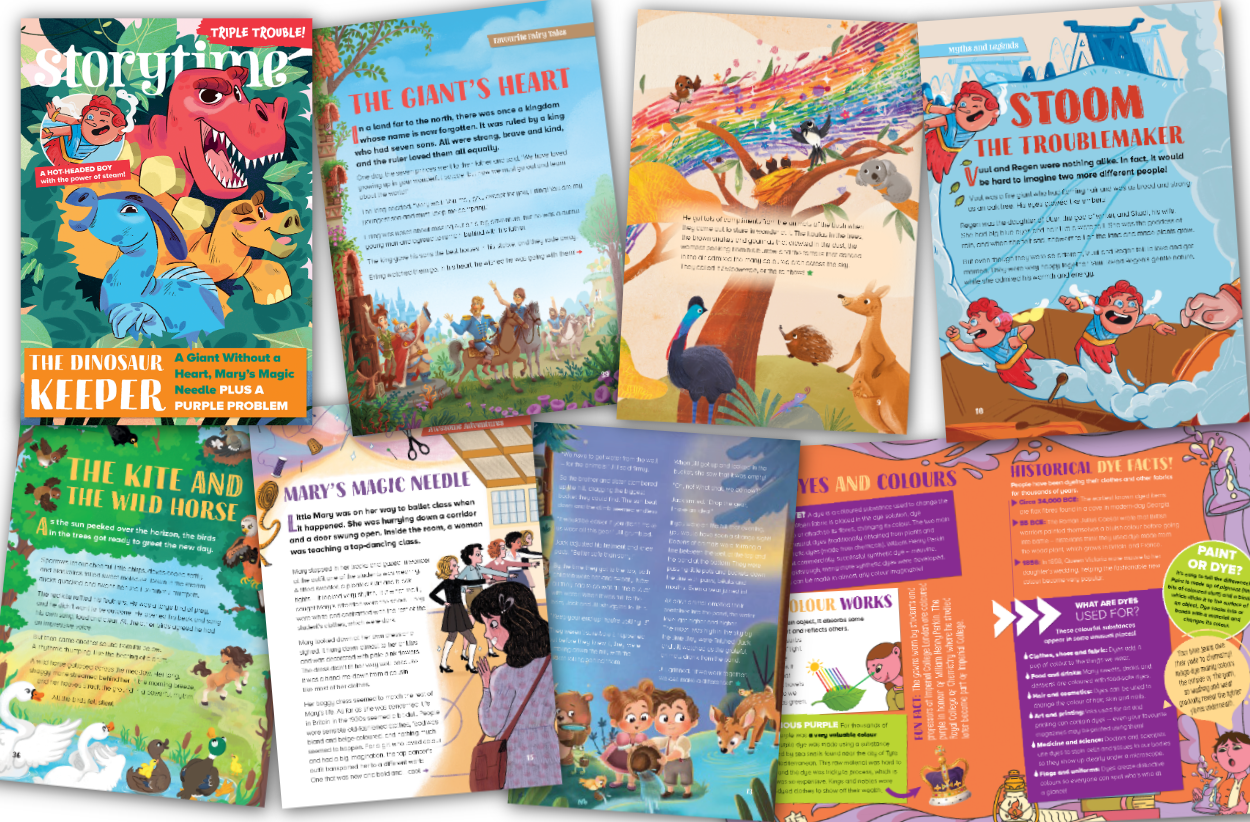
Autumn is a time of changes! The weather gets colder, the leaves change colour and the nights draw in! So it’s only appropriate that the latest issue of Storytime is filled with stories about changes and discoveries of all kinds and the importance of appreciating the world around us! 
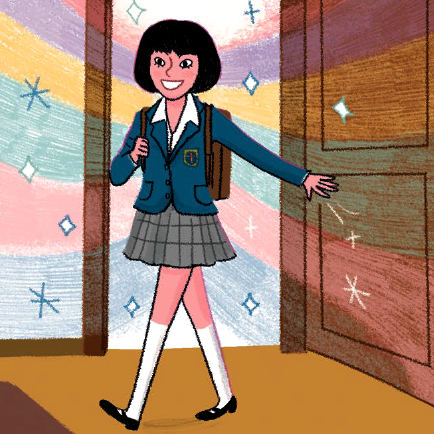
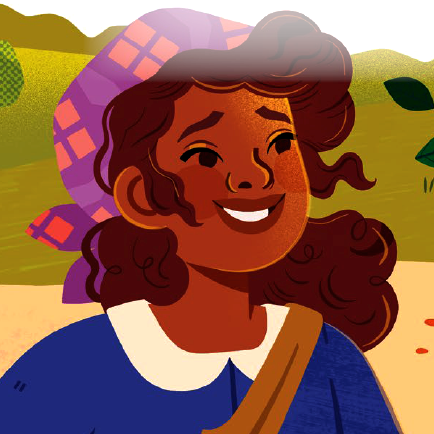
Little Mary finds life in 1940s Britain a bit boring, so she decides to make it cooler and more interesting. In ‘Mary’s Magic Needle’, she discovers sewing and creates her own inspiring and creative style. Veronica Carratello did a fantastic job depicting the childhood of Maryt Quant, who would go on to become a British fashion icon! 

‘The Wagtail and the Rainbow’ is a wonderful Aboriginal legend from Australia. It’s about a little bird called a treecreeper who falls in love with another bird called a wagtail. When she doesn’t want to move in with him, he decides to create something special that will make the world a better place! Tasneem Amiruddin’s art brings a vibrant energy to this ode to creativity and positive thinking! 
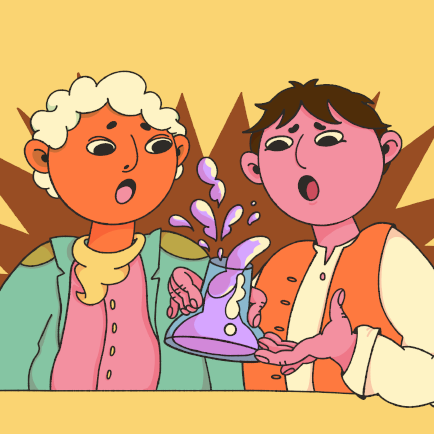
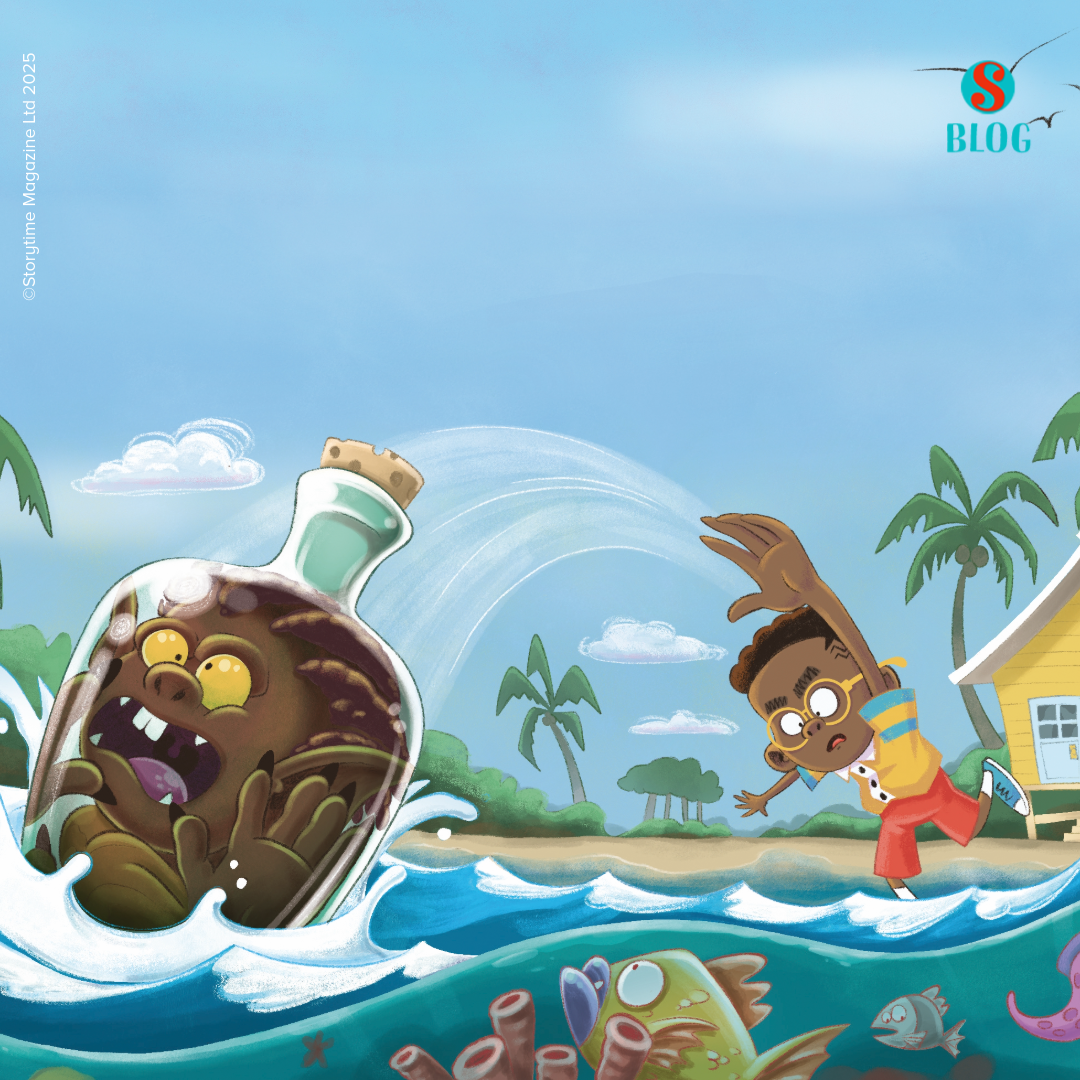
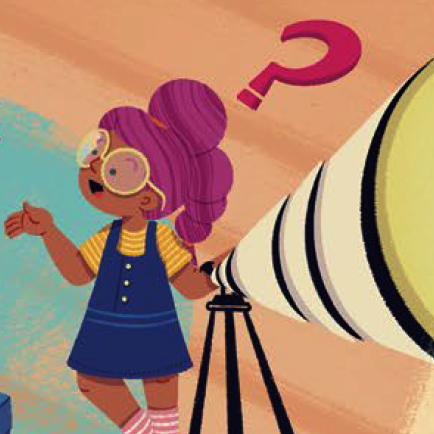
Will has a problem: his cousin’s father is ill and needs a special medicine! He tries to create it in his back yard laboratory, but things don’t go to plan. Instead of getting precious quinine, he ends up with a purple liquid! ‘A Purple Problem!’ is inspired by the real story of William Henry Perkin, who accidentally created an amazing purple dye. This story teaches us that we can learn from our mistakes and make unexpected discoveries along the way! We were lucky enough to have artist Luli Tolentino illustrate this tale, and her art is appropriately colourful. 

Stoom is a hot-headed little boy who is always getting into trouble. (He is the son of a fire giant and a rain goddess, so it’s not surprising when steam comes out of his ears!) But when he meets a clever inventor, he finds a way to put his energy to good use – in a steam engine! Leo Assis provided the pictures for ‘Stoom the Troublemaker’, and they are amazing.  
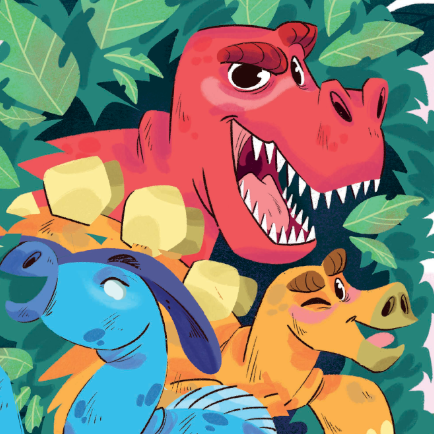
‘The Dinosaur Keeper’ stars Janice, a kid who loves dinosaurs. When her dad takes her to a park where the jungle is supposed to resemble forests from the Cretaceous Period, Janice isn’t impressed by the park or their bored tour guide. But wait, what’s that shadowy shape moving in the bushes? Sabrina Filieri’s art welcomes us into this tale about imagination and noticing the wonders around us! 

It’s been a hot summer, and Jack and Jill notice that animals are going thirsty when the pond dries up. Do they have the courage to go up the hill and help their animal friends, even after what happened last time? The very talented Katya Zayakina illustrated ‘Jack and Jill’s Animal Crew’, a tale about teamwork and making a change. 
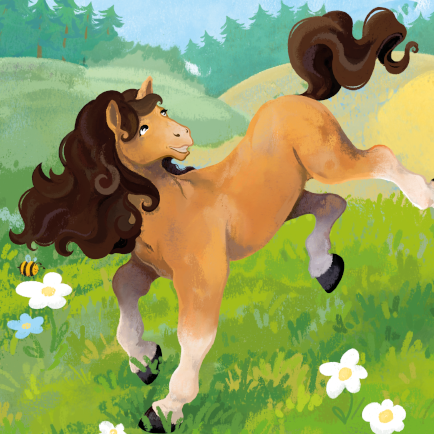
‘The Kite and the Wild Horse’ is a truly fantastic fable which teaches us that appreciating what makes us special is better than envying others. The illustrations were provided by Storytime intern Anna Kosova, a gifted young artist and illustrator who has contributed her talent and ideas to this magazine. We’re sure you’ll love her art… be sure to check it out! 

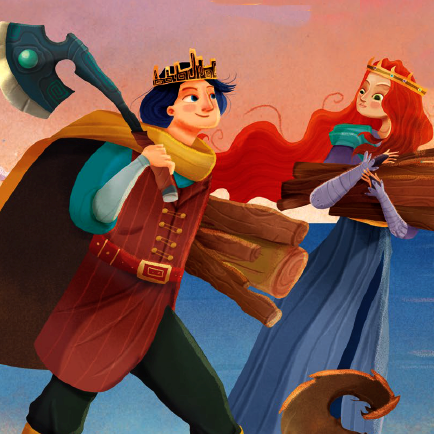
What happens if we hide our heart away? The fairy tale of ‘The Giant’s Heart’ gives us an answer. Mohamed Ali provided the magnificent visuals for this tale about a brave prince who goes in search of the heart that belongs to a grumpy and selfish giant. We hope that, like the prince, you embrace change and stay open to the wonderful world around us! 
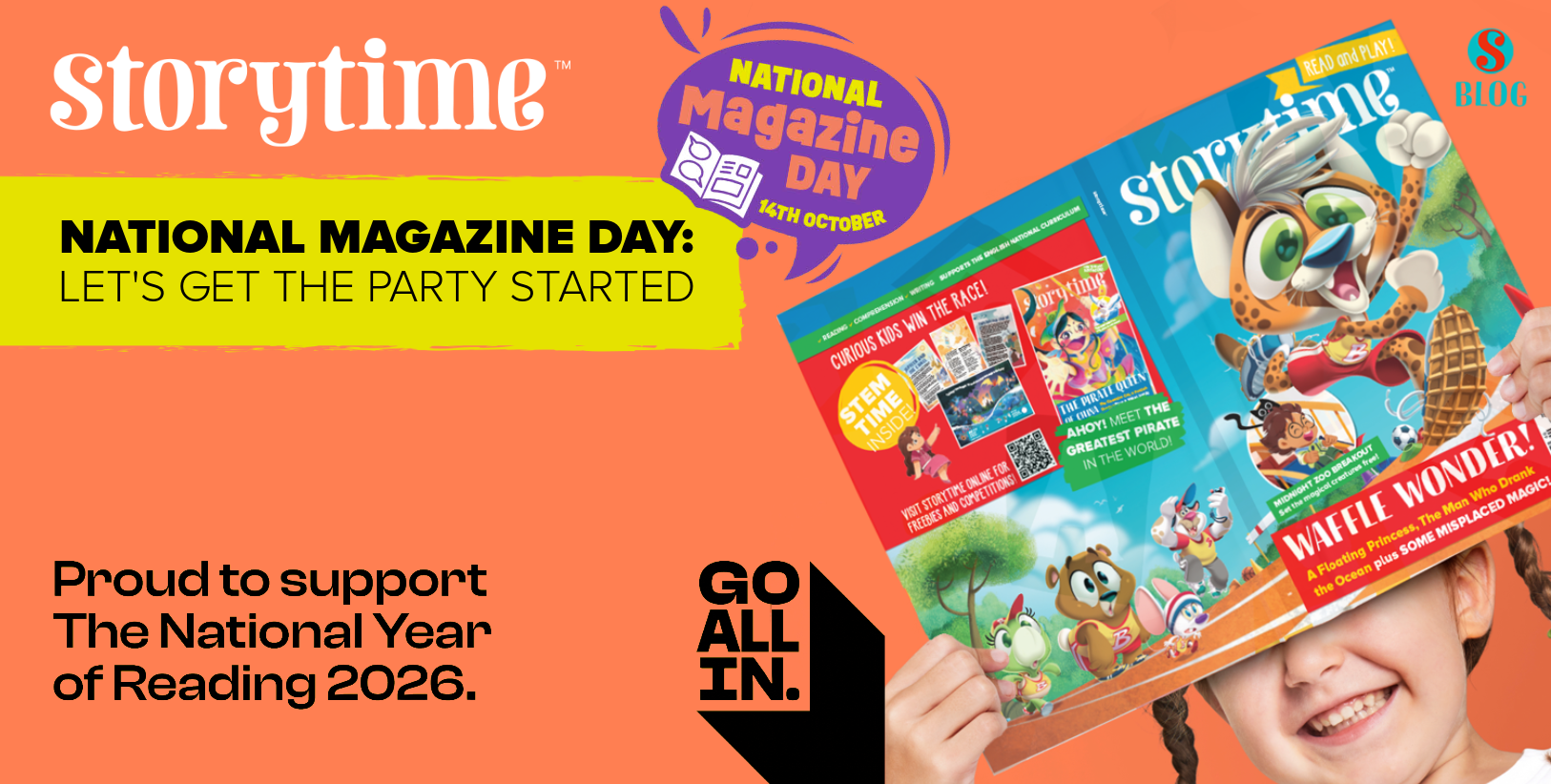
 

National Magazine Day


14th October – National Magazine Day

Let’s get the party started


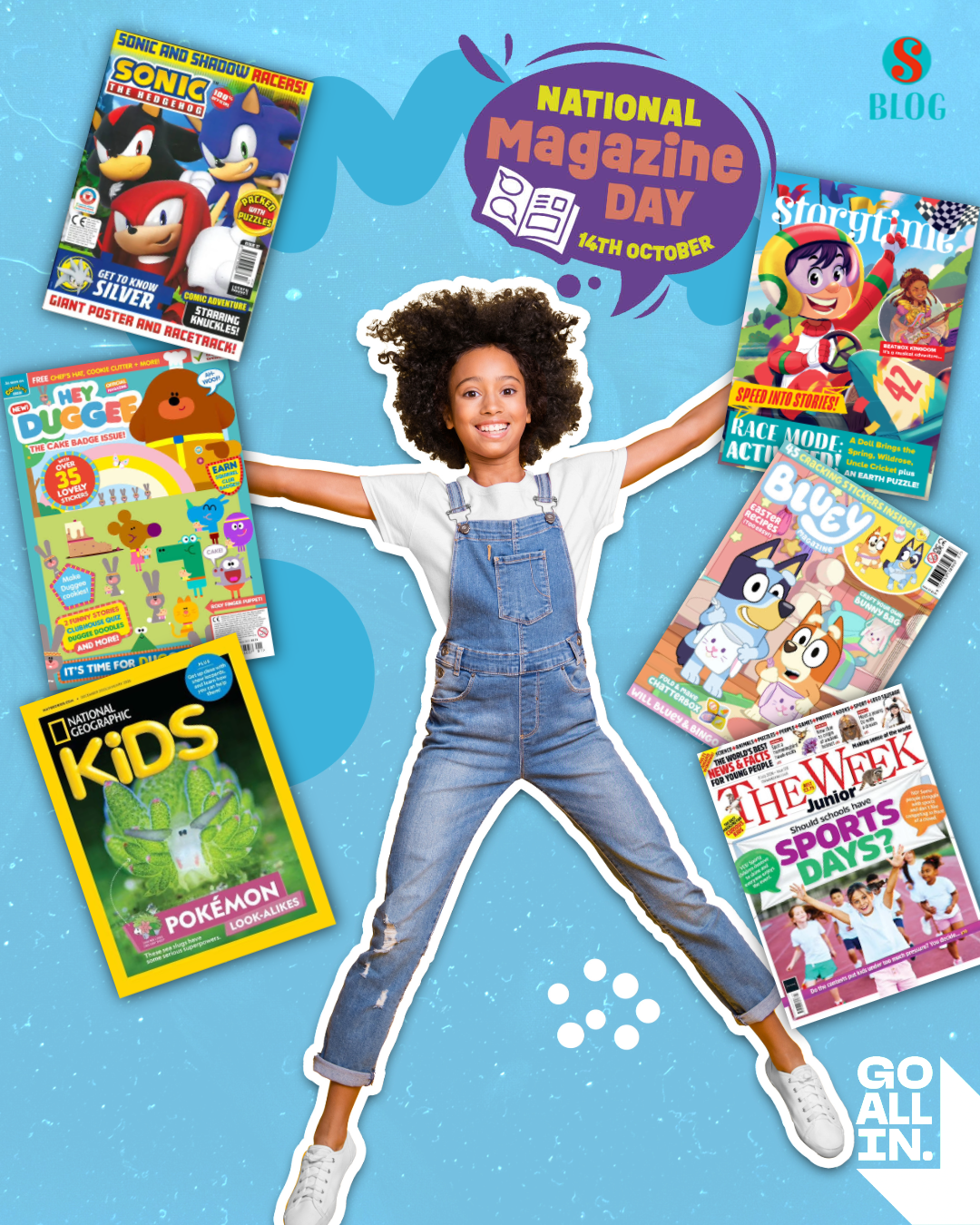
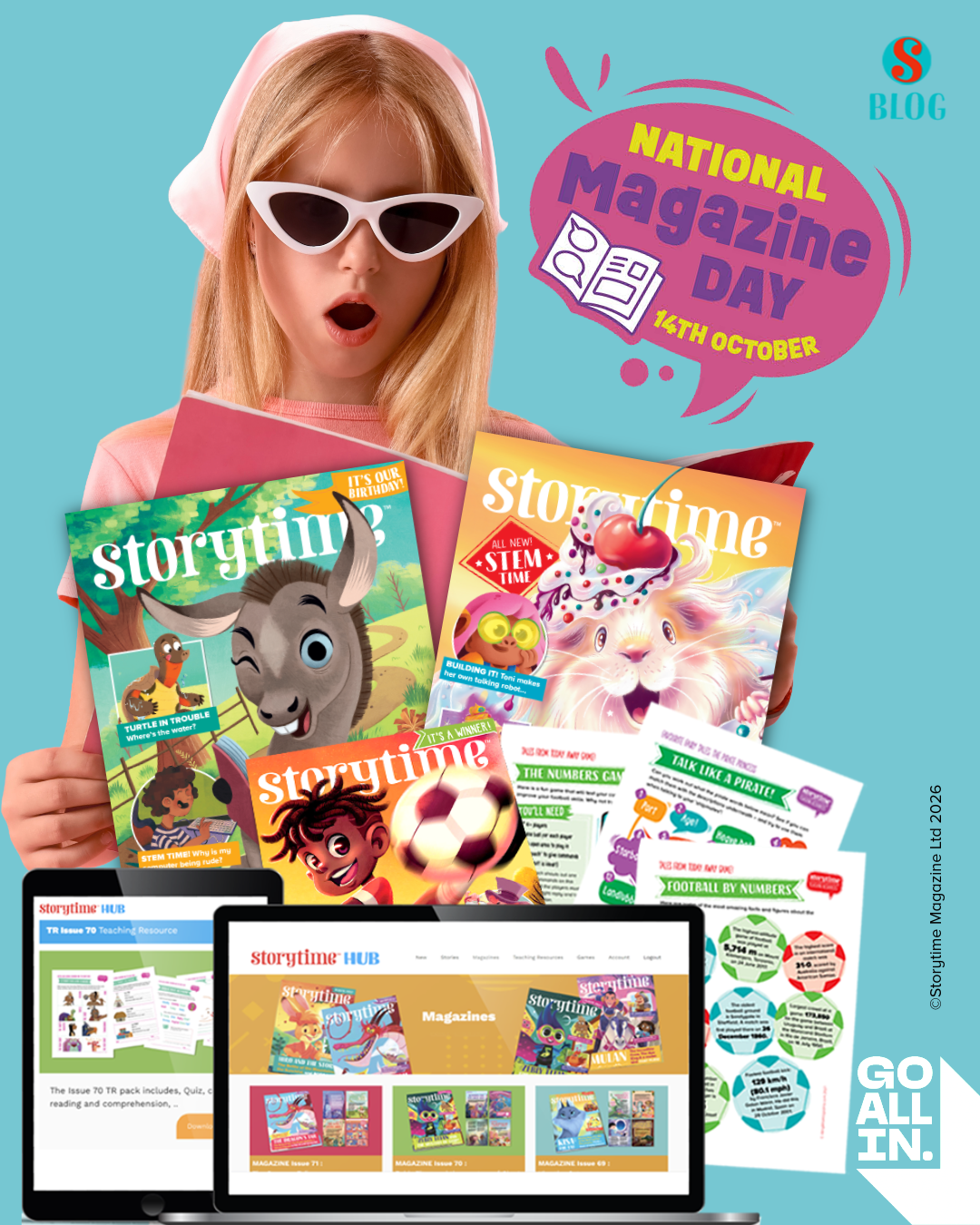
Today, 14th October, we are celebrating the National Magazine Day in schools in the UK. It’s an opportunity to celebrate the curiosity, creativity and communities that magazines inspire. The competition winners have been chosen, but the celebration is happening now.

We love a good awareness day.

At their best, these days do much more than fill a space in the calendar. They bring our attention back to the things that matter. Such days are created to shine a light on important work, encourage good things and sometimes help us create small rituals that become part of family, school and community life.

World Book Day is a wonderful example. It has become a day when children everywhere celebrate the characters, stories and imaginary worlds they love. Dressing up as a favourite character has become a much-loved tradition in homes and schools, and a joyful way to start conversations about reading. We look forward to it – and we look out for characters to fall in love with.

Now, finally, it is time to make some space for magazines too.

National Magazine Day is taking place this month, as part of the National Year of Reading. Led by Immediate Media, the initiative brings together publishers including Storytime, Creature & Co, Egmont, Future and Kennedy Publishing, in partnership with Frontline, to help more children and families discover the joy of magazines.

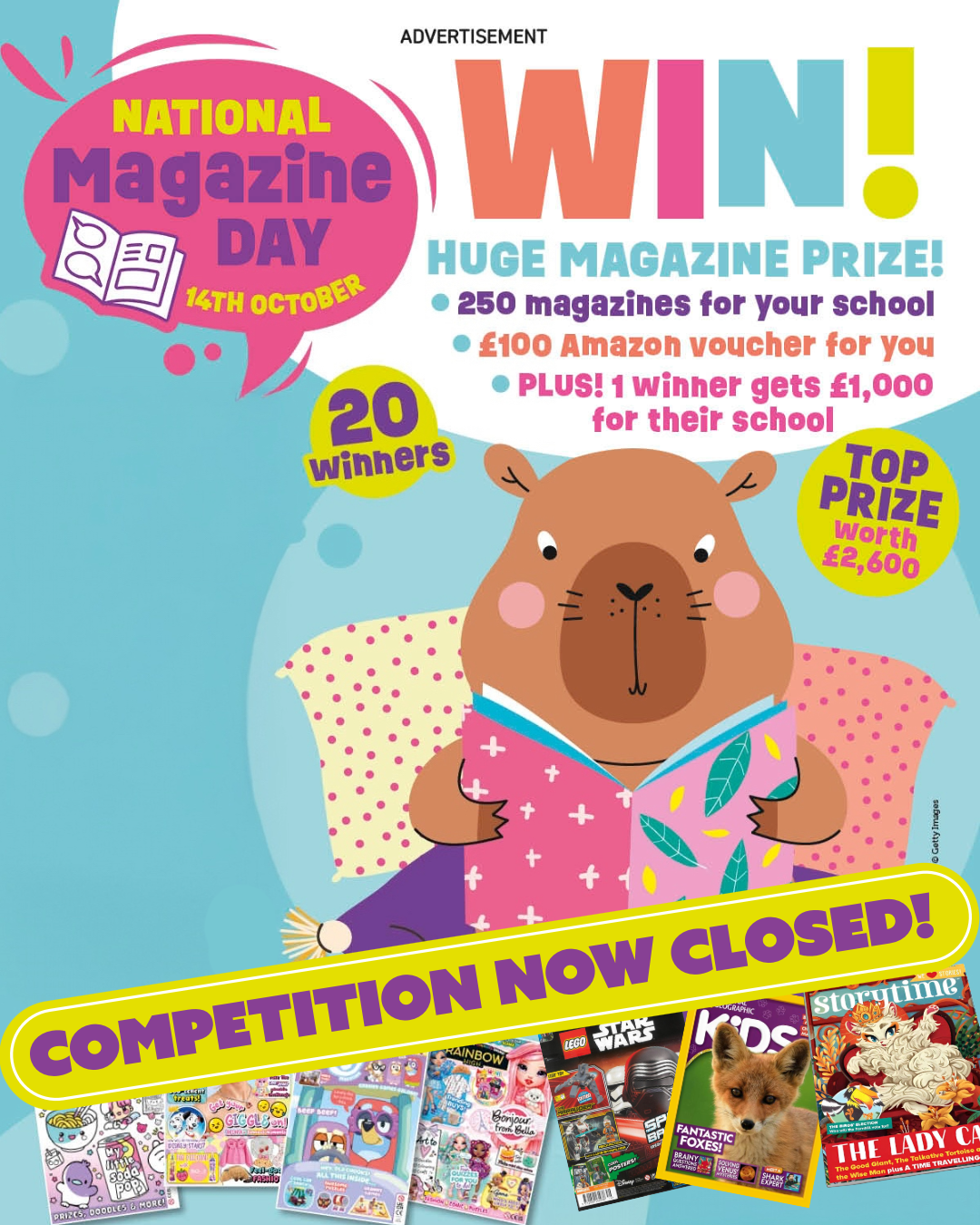
During the summer people across the country were invited to enter an amazing competition and nominate their school to win magazines and prizes. Be sure to get out there and enjoy everything National Magazine Day has to offer!

Here are just some of the reasons why magazines deserve to be celebrated


1) The communities magazines create!

Magazines have always been very good at bringing people together.

They create communities around stories, hobbies, characters, interests and ideas. They help readers feel part of something – whether they love science, animals, history, football, fashion, puzzles, crafts, comics or storytelling… because they are very good in supporting subjects you love!

The most engaged magazine readers interact with it. They cut things out, they collect stickers, hang posters on their walls. They complete every puzzle, try the crafts, follow the tips, play the games and colour in the pages.

Magazines are made to be held, shared, explored and played with. For children in particular, that makes them one of the most inviting forms of reading available.


2) Magazine reading welcomes everyone

A magazine does not ask a child to begin at page one and read until the end in one go. They can enter wherever they like, stay for a bit, or get lost in it a whole afternoon!

One child might begin with a comic, another might choose a a fact page or a puzzle. Someone else might be drawn in by an illustration or a subject they already love. That freedom helps engagement and gives the young reader agency.

Magazines offer short, varied and visually engaging pieces of content that can help children build confidence as readers. They also provide wonderful opportunities for shared reading, because adults and children can talk, make, laugh and learn together.

A magazine might be where a child discovers comics for the first time or it might introduce them to a historical figure or an animal they have never heard of. But we know, for a fact, that it is also often the place where they first realise that reading can be fun.

We know from stats that magazine readers become readers for life. They ones that look out for our stories every month – go on to read more news, more comics and be curious to learn more about any other subject.


3) Magazines belong everywhere

As part of National Magazine Day, more than 60,000 magazines will be distributed through National Literacy Trust hubs and independent charity partners, including The Children’s Book Project and Book Bank Charity. The Summer Reading Challenge by the Reading Agency, earlier in June – distributed over 800,000 mini magazines for readers across the country as well.

The aim from all these initiatives we are proudly part of, is to ensure that more children, including those who may not have regular access to reading materials, can experience the pleasure of choosing, holding and exploring a magazine of their own.

The best thing about giving access to magazines is that they are not intimidating, so having access to magazines everywhere is our way to make sure children will pick up a copy and discover the joy of reading with no pressure.

The nationwide competition for the National Magazine Day also invited parents and carers to nominate schools so 20 bundles containing 250 magazines have been given away, with one school also receiving a £1,000 Golden Ticket to spend on books, magazines and other reading resources.

We look forward to seeing magazines everywhere this year and beyond and this is our way to show you it’s possible.


Let’s make it a day of play!

We would love National Magazine Day to become a celebration not only of magazines themselves, but of everything readers do with them.

Here’s a little secret: we don’t design them to sit untouched on a shelf. We make them for curiosity, conversation and play time. Magazines are one of the easiest, most joyful and accessible forms of entertainment there is.

We hope National Magazine Day becomes a date all of us look forward to each year, from now on. A day to celebrate favourite titles and discover new ones, bring people together and to remember that reading does not always need to look serious but should always be fun.

Falling in love with reading might begin with a story…or with a comic, a quiz, a poster, a page of stickers or a pair of scissors and a craft idea.

So, today, let’s read them, share them, cut them out, colour them in, talk about them and play with every page. Let the magazine celebrations begin!


Storytime Issue 144 Out Now!

Tricks and Treats!

The nights are drawing in, and the spookiest day of the year is coming. What better time than to cuddle up with the latest issue of Storytime and discover the surprises within? 

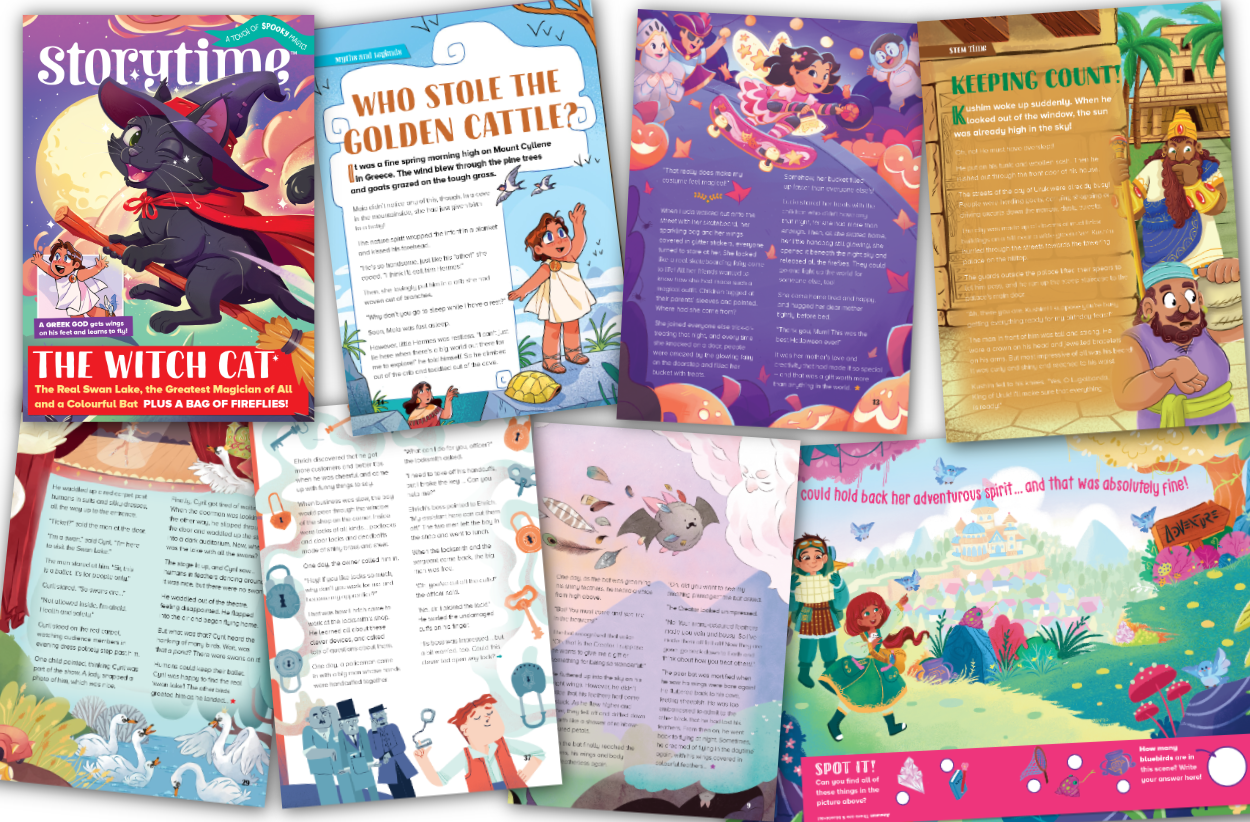
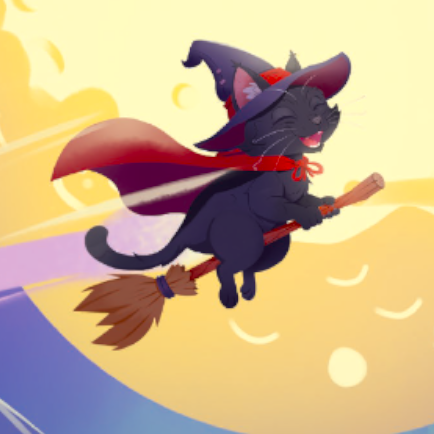
What’s spookier than a witch or a cat? It’s got to be ‘The Witch Cat’, our cute and kooky cover star! A Scottish shepherd and his faithful hound find out how tricky this feline can be in this Halloween tale, illustrated with style by Michel Verdu.

Dressing up is one of the most fun parts of Halloween, and you don’t need an expensive costume to make a big impression! All you need is some imagination and creativity. That’s the theme of ‘The Firefly Handbag’, the story of a girl who livens up trick-or-treating with an enchanting accessory. Ana Steiner’s art for this tale is a standout! 

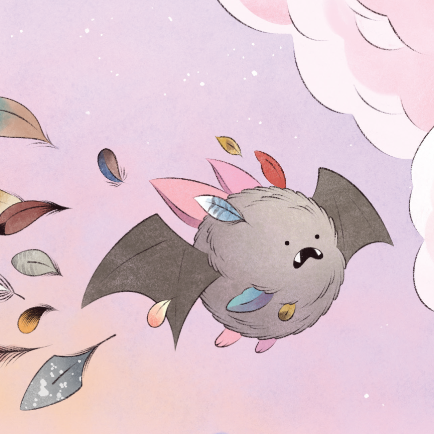
Talented artist Cleonique Hilsaca provided the beautiful illustrations for ‘The Many-Coloured Bat’, which is a story about how much fun it is to put on a cool costume! A bat is envious of the birds with their fabulous feathers, so he sticks feathers onto his own wings and gets a fabulous makeover. This Halloween, put on a costume that makes you feel equally fab! 

This issue also has plenty of stories about tricks of various kinds!  

Green Sarram gave us the art for ‘Who Stole the Golden Cattle?’, a Greek myth about the birth of the god Hermes. While he’s still a baby, he plays a trick on his big brother Apollo by stealing his cows… but he learns his lesson and apologises for his prank! 

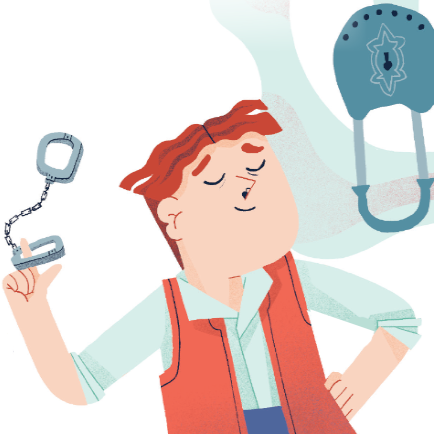
This month’s real-life story stars perhaps the greatest master of magic tricks and escape artistry in history! Young Ehrich is fascinated by acrobatics, locks and clever card tricks, so it’s no wonder that he went on to become master magician Harry Houdini! Arianna Bellucci’s art for ‘Unlocking the Magic’ are bold and eye-catching – you’ll be sure to love it. 

Sometimes, characters in stories have to play tricks to get out of challenging situations! That’s what happens to Princess Ruby when she gets held prisoner in a glass cave by ‘Old Rinkrank’. She comes up with a cunning ploy to ‘borrow’ the old troll’s magic ladder and get away. Wanti Kustari adds to the magic of this fairy tale with his colourful illustrations. 

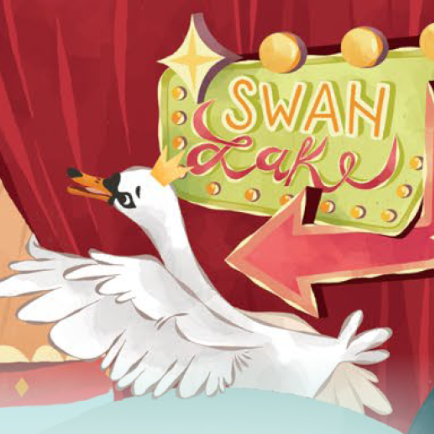
The main character in ‘The Real Swan Lake’ certainly feels as if he has been tricked when he decides to visit a lake full of swans. Unfortunately, he discovers that ‘Swan Lake’ is actually a ballet, with not a water bird in sight! This charming and original tale is perfectly complemented by Erika Catellani’s illustrations. 

And lastly, this month’s STEM tale is about an ancient advisor who comes up with a neat ‘trick’ that will change human civilization forever: writing down numbers! In ‘Keeping Count’, Kushim is trying to organise a king’s birthday party, but nobody agreed about how much food he ordered. His solution: make marks on clay tablets to keep records.  Webster Pereira did lots of research to bring ancient Mesopotamia to life in his art, and we’re sure you’ll love it! 

We hope you had a deliciously spooky Halloween! Tell us what you would like a future scary Halloween story to be about below! 

Inclusive Reading for Every Learner


Down the Rabbit Hole: Helping Every Learner Find Their Way Into Reading

Guest Blog by Dr Sarah Moseley


There was always something about going back to school that I loved. After those long summer holidays, September meant a trip to the shoe shop for new school shoes, a new skirt and freshly labelled uniform, alongside that mixture of excitement and nerves about what the new school year might bring.

I loved books too, although looking back now, with everything I know about literacy and dyslexia, I realise my relationship with reading wasn’t quite as straightforward as I thought. I often read quickly, scanned pages and picked up the main ideas, but didn’t always take in all the detail. Reading could be tough, even though I loved books, stories and finding things out.

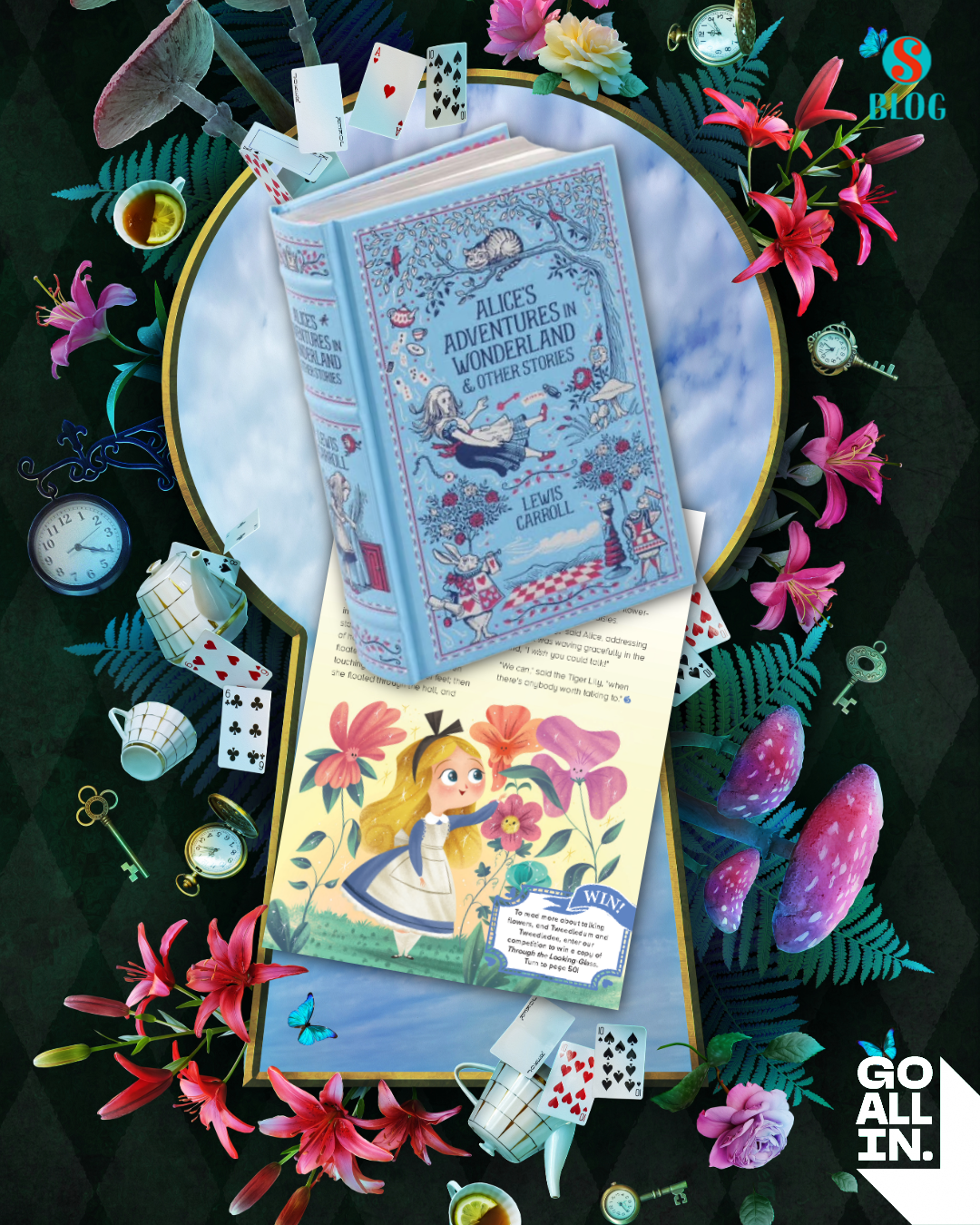
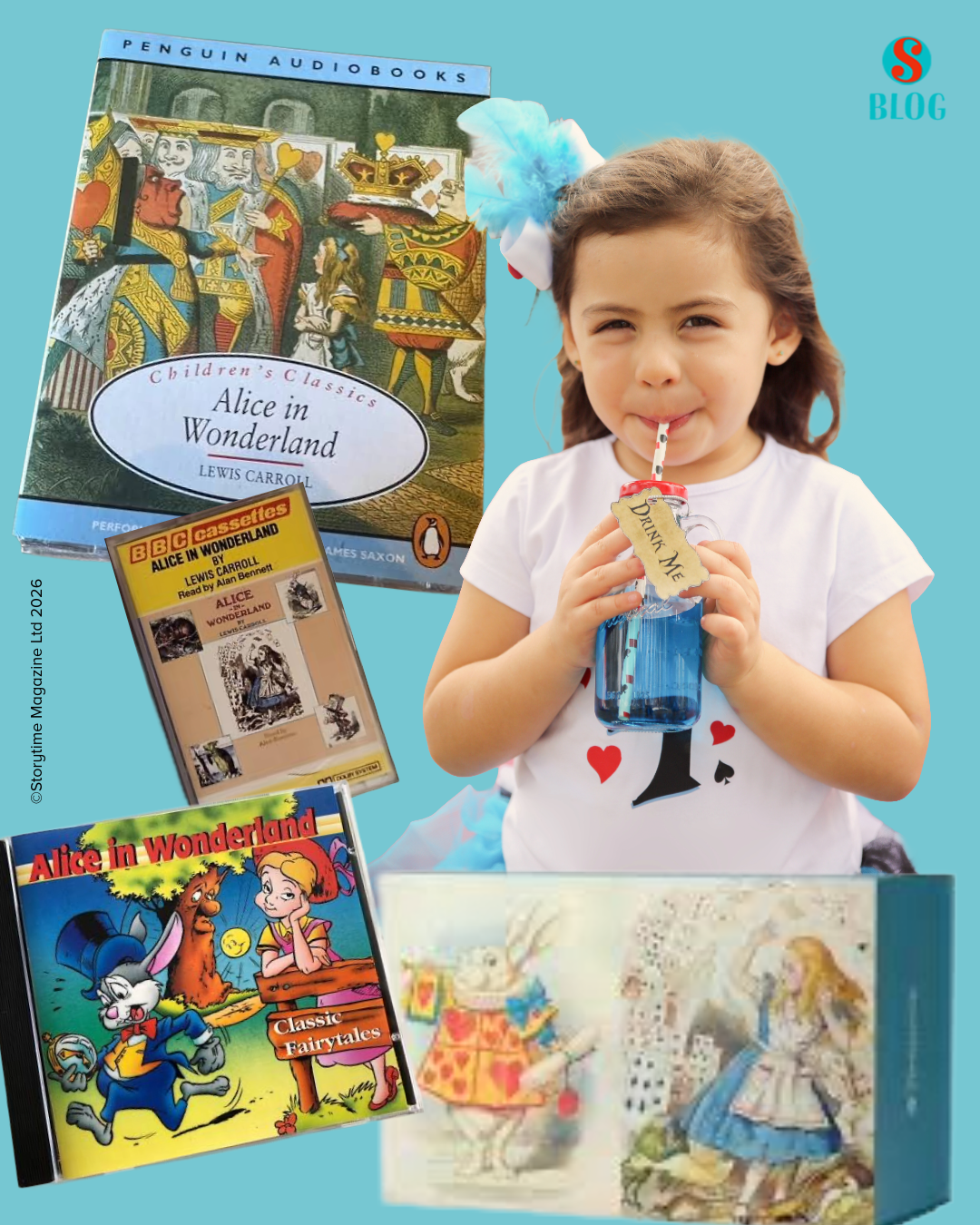
One of my absolute favourites was Alice in Wonderland, but my love of Alice didn’t come from print alone. I read it, listened to it, watched it and saw plays and puppet shows. I particularly loved going to Polka Theatre in Wimbledon and can still remember that feeling of being drawn into another world. I felt as though I was inside the story. All those experiences gave me different ways in and made me want to return to the book.

That feels particularly relevant as we celebrate the National Year of Reading and Go All In. How do we help children and young people, particularly the growing number with dyslexia and other literacy needs, to go all in with reading?

Perhaps we start by recognising there isn’t one way to be a reader. What we can decode, what we understand and what interests us are not necessarily the same thing. A learner may find reading difficult while having the language, knowledge and curiosity to engage with much richer stories, information and ideas. A ten-year-old who struggles to read is still ten, and access to interesting, age-appropriate texts shouldn’t be restricted by what they can currently decode independently.

Finding out what they are into is a great place to start. Football, gaming, animals, music, cooking, space, jokes or something we know nothing about can provide that first hook. From there we can find books, comics, graphic novels, magazines, audiobooks, poetry and non-fiction that give someone a reason to read.

Print has an important place too. There is something wonderful about browsing a shelf, picking up a book and discovering something you weren’t looking for. We can embrace audiobooks, text-to-speech and technology while making sure physical books remain visible, accessible and valued.

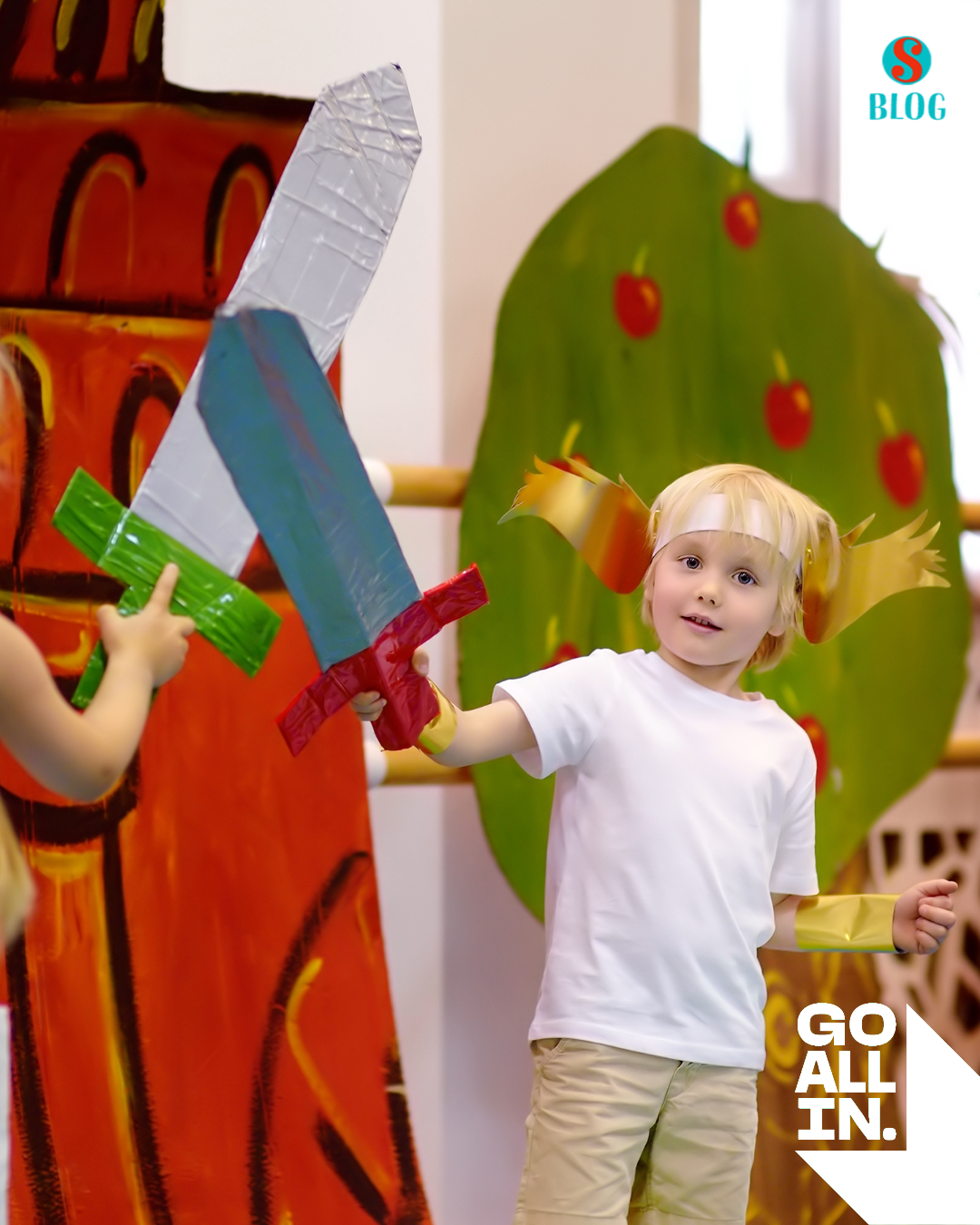
September gives us an opportunity to bring back some excitement when routines may have gone out of the window. Wrap up a book and reveal clues about what is inside, have a mystery book of the week, create a story bag or organise a book hunt. Share a book and experience it another way through audio, performance, puppets or drama.

Reading also needs to become part of everyday routines, but this doesn’t require another huge chunk of time. Five minutes can be enough. A quick quiz, word search, fact-finding challenge or clue provides a reason to read and can easily become part of the week.

Singing can be brilliant too. Rereading matters for developing fluency but repeatedly asking a learner who finds reading difficult to read the same passage can feel like more work. Give that repetition a purpose and it becomes different. Reading song lyrics because you are going to sing together means returning to the words again and again, developing familiarity, phrasing, expression and confidence with a genuine reason to reread.

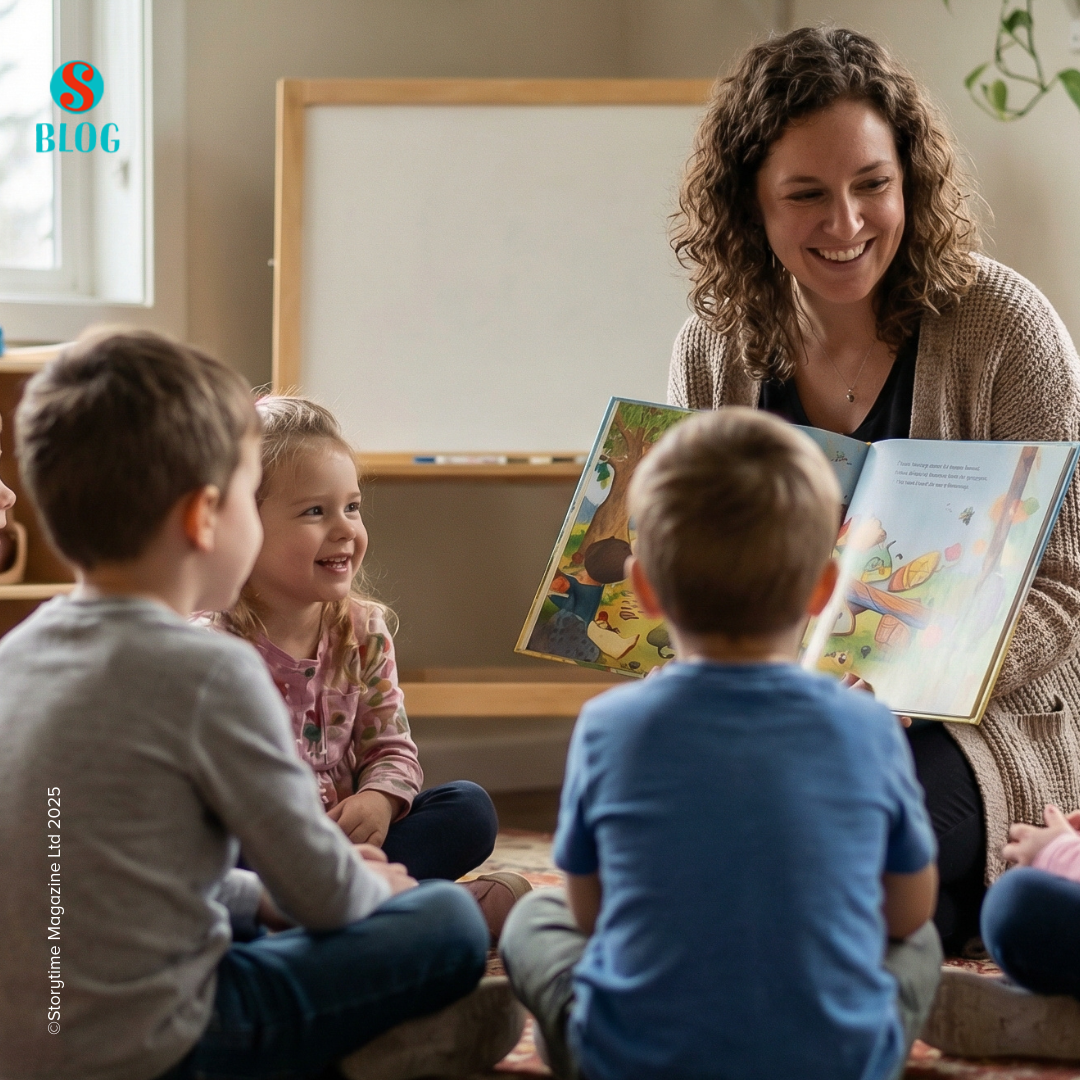
Reading aloud shouldn’t disappear as children get older either. Hearing somebody bring a great story or interesting text alive gives learners access to vocabulary, language and ideas that may currently be beyond their independent reading. We can talk about what we have read, but we don’t always need questions or a task afterwards. Sometimes we can simply enjoy it.

The bigger challenge is making sure this doesn’t disappear by October. If Go All In is going to mean something, how are we going to embed and celebrate reading throughout the year?

We need to notice milestones that can easily be missed: choosing a book independently, discovering a favourite author, joining in with lyrics, finishing an audiobook, finding information without prompting or recommending something to somebody else. We need to measure progress in decoding, fluency, vocabulary and ultimately understanding increasingly complex text, but I also want to know whether learners are becoming more confident, independent and willing to engage.

Pupil voice and agency are key. Ask children and young people what they enjoy, what they avoid, what makes reading easier and what they would like to try next. Let them recommend texts and influence what is available. Progress shouldn’t only be measured about learners; they need to recognise and celebrate it themselves.

For me, reading was Alice in Wonderland, the print, listening to Prunella Scales (on a story tape), puppets and theatre, all coming together and making me feel as though I had stepped inside the story. For someone else, it will be completely different. We can all get into reading in our own way. As we head back to school, let’s find those ways in, establish the routines, celebrate the milestones and keep them going throughout the year.

If we want every learner to Go All In, we need to give them something worth going all in for.


A huge thank you to our guest blogger, Dr Sarah Moseley – Specialist in Literacy, Inclusion and Neurodiversity – for inspiring our Back to School season with such a wonderful story. We couldn’t agree more: finding a world where you belong, and discovering all the different formats a story can take, is one of the best feelings there is.

Visit Dr Sarah Moseley’s Creating Inclusive Classrooms course for more ideas.
You can also find out more about her incredible work on her website.

Storytime Issue 143 Out Now!

How “Peace” Found Its Way Onto Our Anniversary Cover 

This month marks the 12th anniversary of Storytime magazine! It has been an amazing journey, and we are so grateful that you have been with us along the way. We’re might not be able to send a special cake with each issue – but we wish we could!  

Instead, we want to make this anniversary issue special by making it an example of everything that Storytime stands for. If you have been with us for a little while you know that stories are an amazing way to explore ideas and themes that are matter. 

Every year, researchers from Oxford University Press survey thousands of children around the world to select the Oxford Children’s Word of the Year.  The latest word chosen by children was peace. 

Children around the world are telling us what they want from their world and it became the inspiration for the cover story of our latest issue. Such is the power of stories: they let us hold big, abstract ideas in ways that actually connect with how we feel. So we hope this month’s stories give readers something wonderful, and something worth thinking about.  

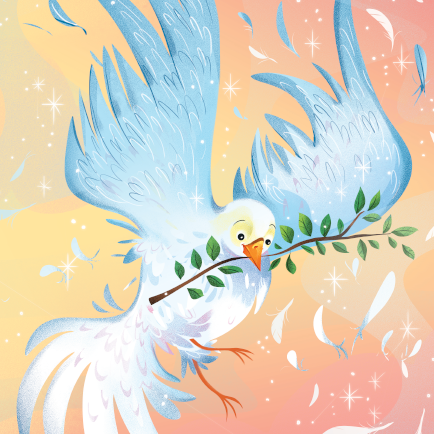
‘The Bird of Peace’ is inspired by a parable told by Azerbaijani folklorist Sadnik Pirsultanli. It’s about two kings who argue over unimportant things until they lose their tempers and declare war. But when one of them goes to get his armour, he finds that a bird has made her nest in his helmet. This lovely story explores what war and peace really mean for humans (and birds!), and Elena Iarussi did a wonderful job of capturing the essence of the tale through her art. 

The fable of ‘The Impossible Prize’ explores themes of competition and finding the value in everyone and everything! The talented Natalia Gouvea illustrated a tale about what happens when the denizens of a forest decide to give out a prize… but then get into a debate about who should win it and why. We’re sure that this tale will provoke discussions after you read it! 

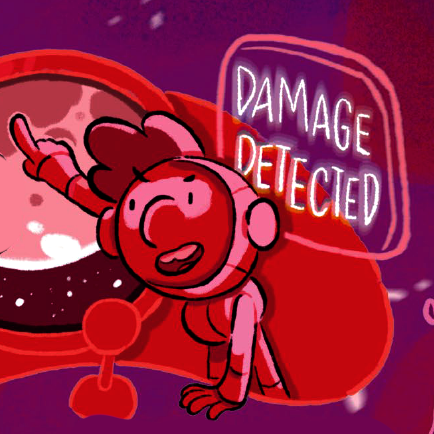
‘Zoom Around the Moon’ takes us into science fiction territory with Luna – she’s very excited because she’s going to pilot a spacecraft for the first time! But when something goes wrong, she has to use her problem-solving skills and knowledge of spaceflight to get home safely. Bea Tormo illustrates this thrilling tale about the wonders of space… and the importance of keeping your head in difficult circumstances! 

Our bedtime story is ‘Merlin’s Marvellous Bed’. When the young wizard can’t get comfortable at night, he tries to change into different creatures. But is that the solution? This light-hearted tale is about finding answers by looking at problems from a new point of view. The wonderful Shahzeb Ali adds to the fun with her colourful and characterful traces. 

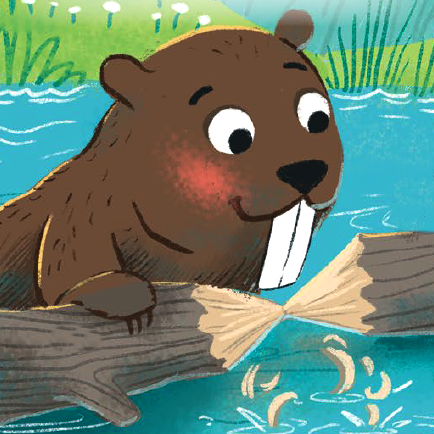
We humans like to think that we are the best when it comes to building… but as ‘The Busiest Builders’ shows, we have some competition! In this tale, cute beavers (rendered with style by Anna Glot) decide to build a dam and complete it while human politicians and engineers are still arguing about plans and budgets. The idea presented here is: sometimes it’s better to start a project than it is to worry about it. What do you think? 

Sometimes, a friendship can change the world! That’s the theme behind ‘The Boys From Liverpool’, which is based on real-life events. Young Paul is excited to go to a local church fete, where a band is playing. He meets the group’s too-cool-for-school leader, who makes fun of him. But what will happen when he hears Paul’s music? Asia Cipolloni is a huge music fan and she did lots of research before drawing the wonderful illustrations shown on these pages. 

What makes a good friend? That’s the question that is explored in the fairy tale of ‘The Golden Plait’. It’s a variation on the story of Cinderella, but in this tale a princess searches for the owner of the plait of the title and asks her to be her friend. The problem is, the princess only talks about herself and her possessions. Will she learn what being a proper friend means in the end? Ana Katherine Frota’s luminous art elevates this chrming story.   

Our final story comes from Switzerland. ‘The Town Beneath the Lake’ stars a boy named Reto meets a mysterious friend with skin the colour of moonlight. She tells him about her home beneath the waters of the lake by the town and invites him to visit. This enchanting tale is full of beauty and imagination, and how we find peace within our communities. It’s perfectly imagined by Ayşe Yüsra’s illustrations, which have a magic of their own. 

Across these pages you’ll find peace in different shapes and forms, in friendship, in community, in fair competition and in the quiet hope of a better world. We hope this issue helps readers imagine peace, and see it, in all its everyday forms. We hope, more than anything, that we’ve delivered the world our young readers want to imagine, and one day, to know. With love, and looking forward to another year of stories ahead.  

From Oral Tales to Printed Pages

From Oral Tales to Printed Pages


This is the National Year of Reading in the UK, so it’s no coincidence that we’re mentioning the National Literacy Trust a lot. They are doing amazing work in promoting Reading for Pleasure!

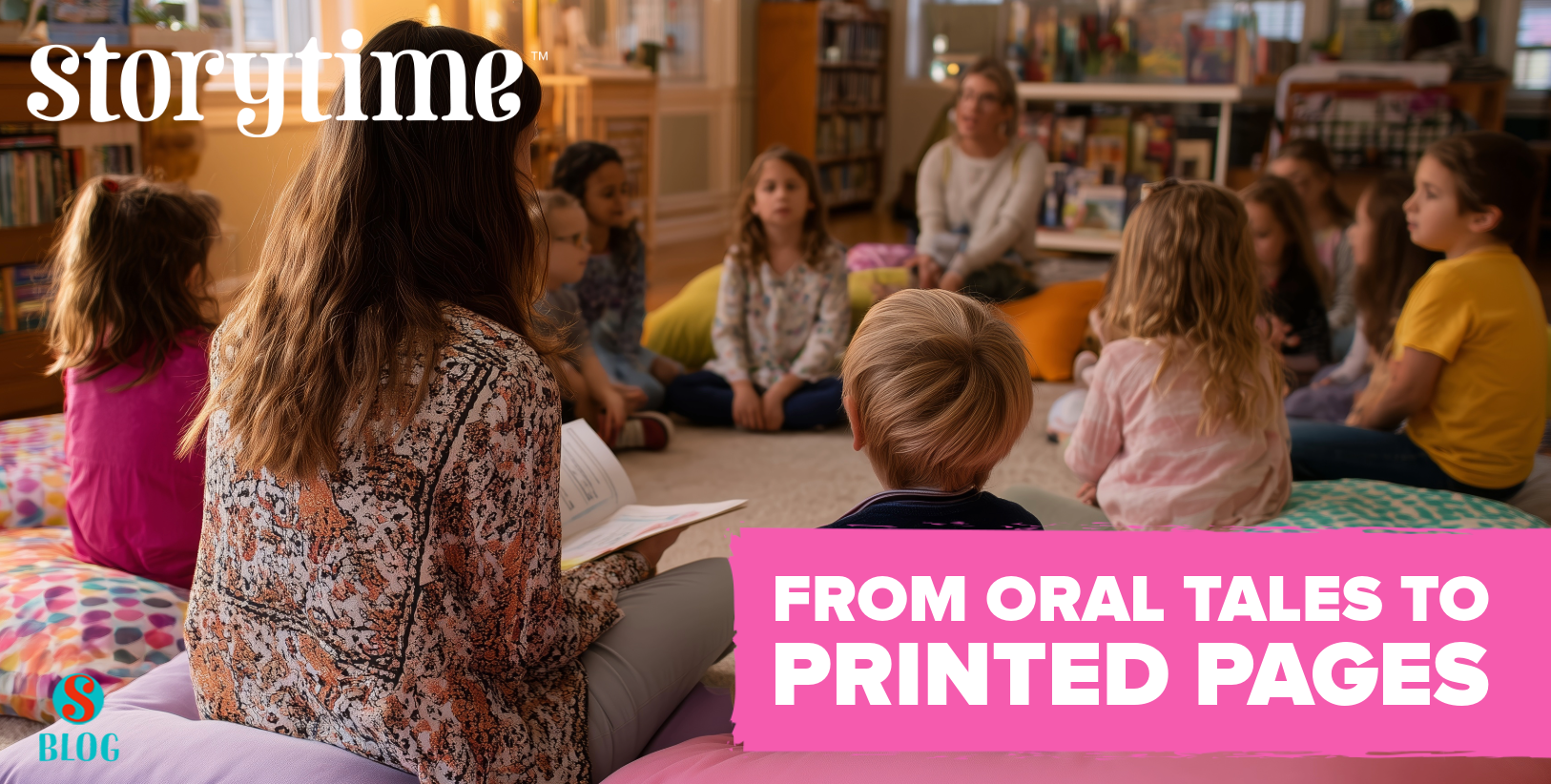
Earlier this year, at the National Literacy Trust conference in the British Library, Teresa Cremin conducted a practical exercise in which people were invited to pick up a magazine and talk about why they chose it. (This isn’t surprising, because magazines are the BEST conversation starters.)

While everyone gathered around the stage to choose something, our team stayed back and watched. There is something rather fascinating about how people choose what to read. And then we noticed that someone had picked up a copy of Storytime. She opened it and then smiled – the kind of smile that turns into a grin. She began pointing and showing the magazine to others. There was joy on her face, and something more…. it felt personal.

We saw that she had found the story of the Baccoo, from Storytime issue 130.

For those who are unfamiliar with it, the Baccoo is a mythical creature from Caribbean tales, passed down through generations through voice, memory and imagination. The kind of story that lives on in people’s minds and hearts but might never appear on the printed page.

She caught our eye and asked, “Do you know this story?”

“Yes,” we replied. “We published it!”

She told us she had grown up hearing those stories, but had never seen them like this – not in print, not in a children’s magazine, not presented in a way that felt modern, playful and, in her words, cool.

And that word matters because it speaks to something essential in children’s literacy today. Stories are about connection, relevance and belonging.

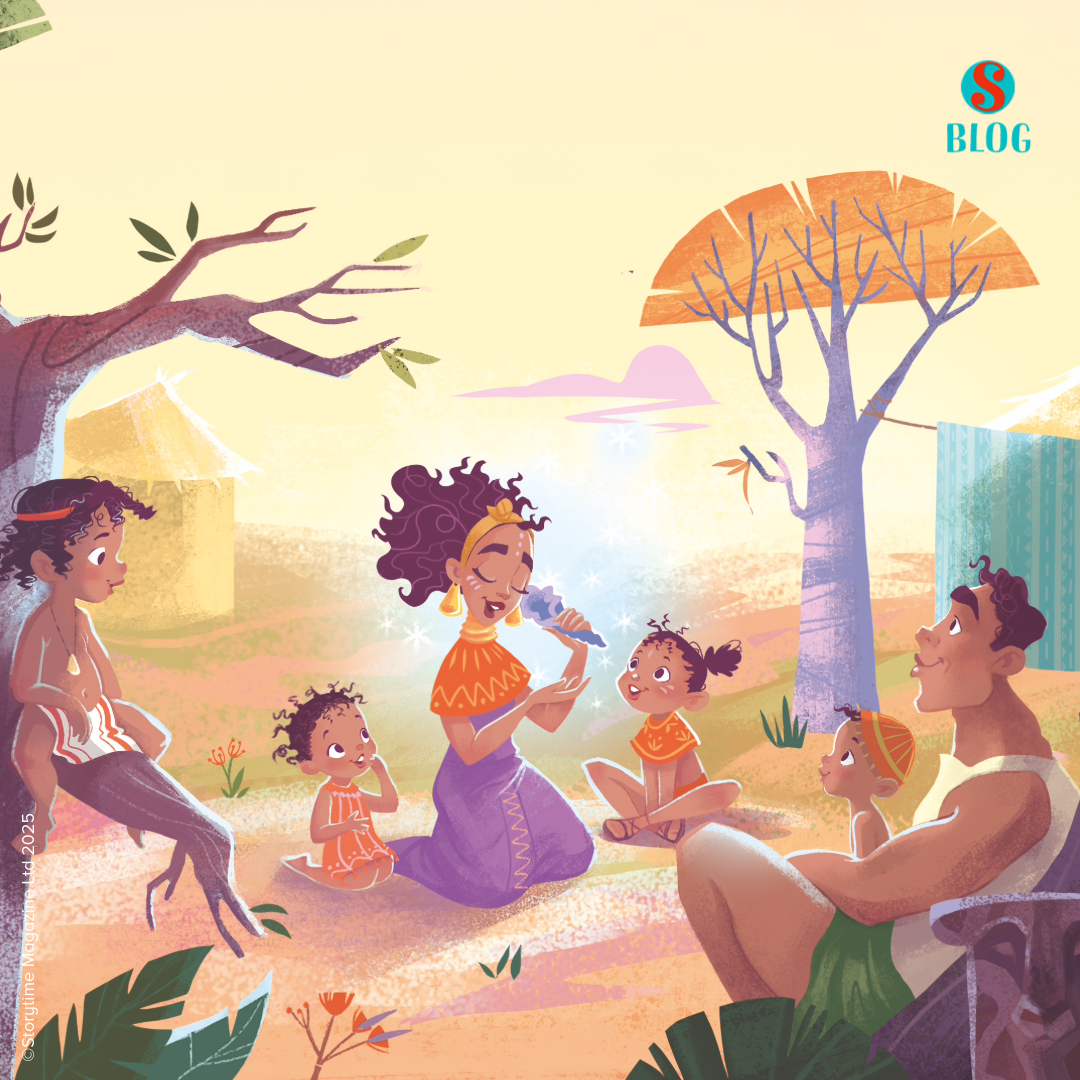
Long before books existed, stories were spoken. Oral storytelling traditions exist in every culture across the world – from West African folktales to Caribbean legends, from Greek and Mesopotamian epics to European fairy tales. These stories were shared in homes and communities across generations. They carried language, rhythm, values and identity. They were not fixed, though; they evolved with each retelling, shaped by the storyteller and the audience.

In many ways, oral storytelling is the original form of reading for pleasure. (Which is also another nod to why storytelling sessions are such a hit with children – that’s always been the way stories are passed on!)

Oral stories and folk tales form the foundation of literacy. Listening attunes us to the rhythm of language, expands vocabularies and sparks imaginations. It creates emotional engagement with stories before children ever encounter words on a page. And yet, it is often undervalued in modern reading frameworks, where the focus can quickly shift towards decoding texts rather than experiencing stories.

Bringing oral tales into print is not simply a process of writing them down. It is a careful act of translating an experience. How do you hold onto the cultural ‘voice’ of each tale and preserve their richness while making them accessible to new readers?

This is something we think deeply about at Storytime when we find them. We love knowing that a story that once lived within a community becomes shareable beyond it. A child might see their own culture reflected back at them, while another child will discover a world they did not know yet. The story lives on as they read it.

For us, there is real joy in bringing these stories to print. It means searching for tales that deserve to be shared, working with storytellers and cultural experts, and crafting each story with care. It means respecting where the story comes from while giving it a form that speaks to today’s children. And yes, it means making it feel exciting, relevant — even cool.

The conversation around diversity and representation in children’s publishing has rightly grown stronger in recent years. We know that when children see themselves in stories, they are more likely to engage, read and feel a sense of belonging. But representation is not only about visibility. It is also about authenticity, respect and storytelling that resonates.

That moment at the conference – when the amazing Sandra Agard, who is a great storyteller and author herself, recognised the story of the Baccoo and shared it – captured all of this in the most wonderful way.

We promise that we will keep searching for amazing oral tales. We will keep finding ways to bring new and diverse stories into your reading experience. And we will keep making space for stories that deserve to be heard, seen and shared.

The journey from spoken story to the printed page is not the end of a story. It is simply another way for it to live on. This summer, if you are travelling and going to new places, look out for stories (they are everywhere!) and share them with others when you are back!

Read to the Beat!


Read to the Beat – and We’re Dancing Along!

Something very exciting is happening in libraries across the UK this summer, and we are thrilled to be part of it.


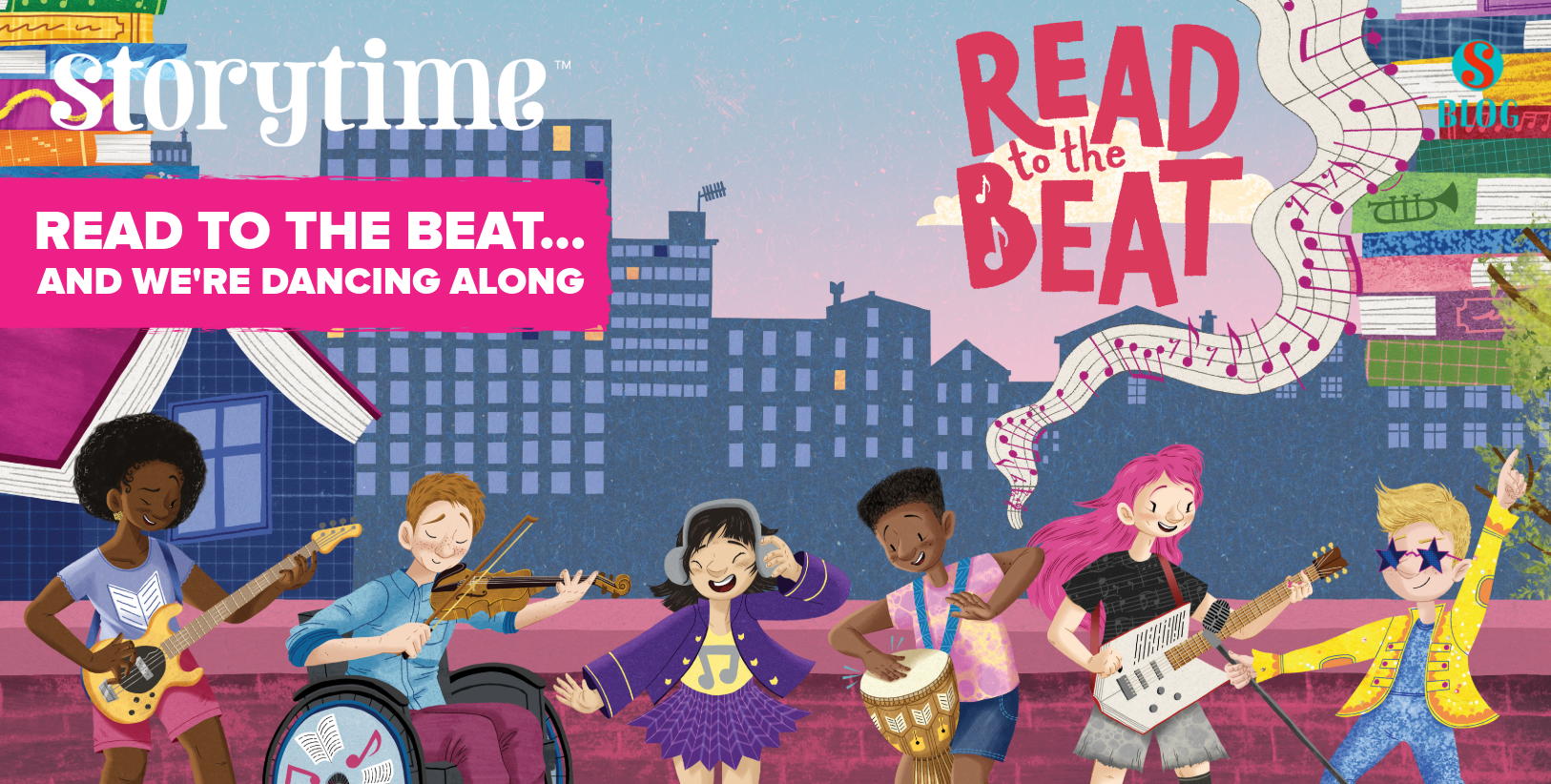
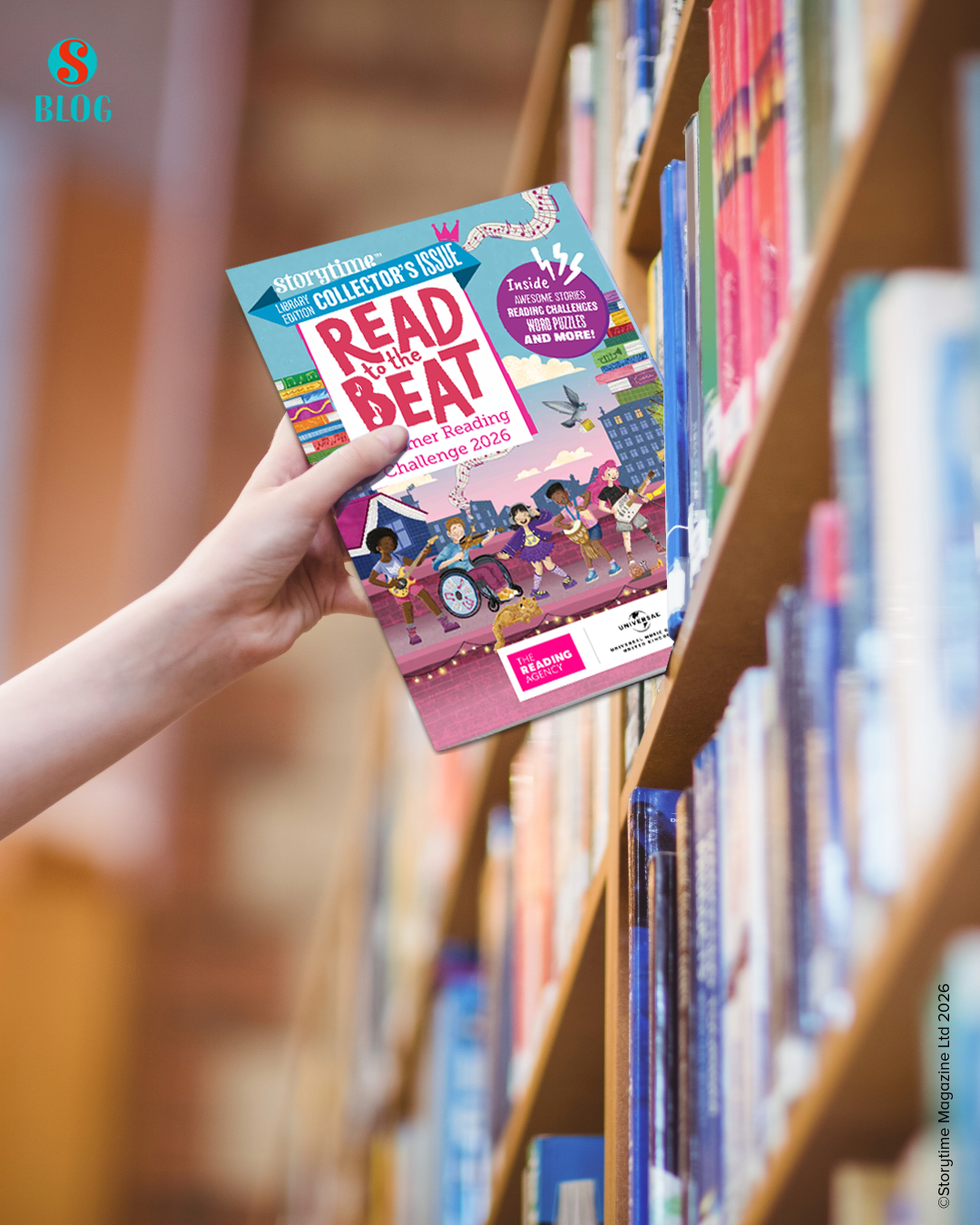
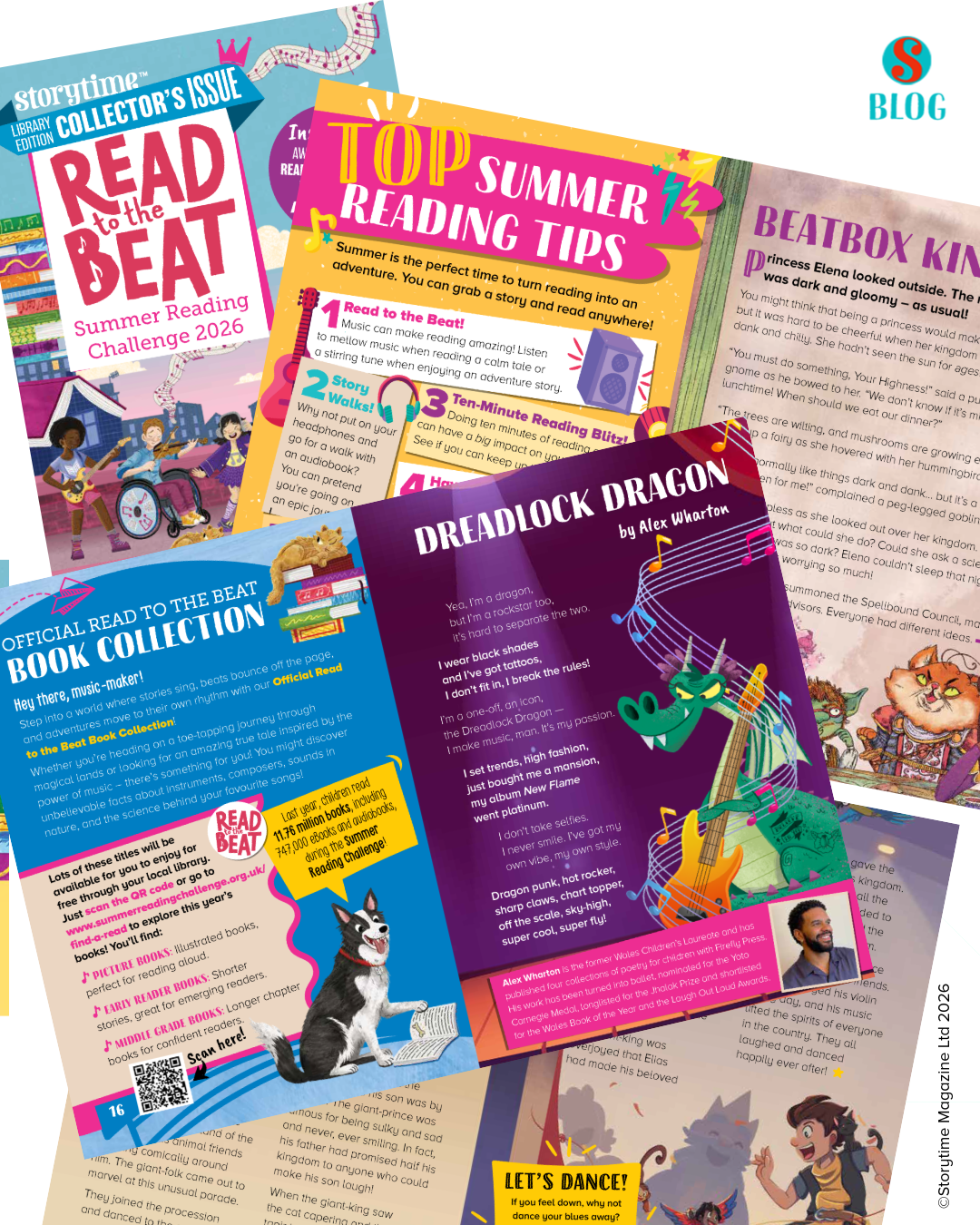
The Reading Agency has launched its 2026 Summer Reading Challenge, and this year’s theme – Read to the Beat – is one that feels made for us. Music and stories have always belonged together. Think of the rhythm of a brilliant sentence, the way a great tale sweeps you away like your favourite song, the moment a story makes your heart beat like a melody you can’t shake. At Storytime, music has inspired some of our most magical stories over the years – and this summer, we’re celebrating that connection in the best possible way.


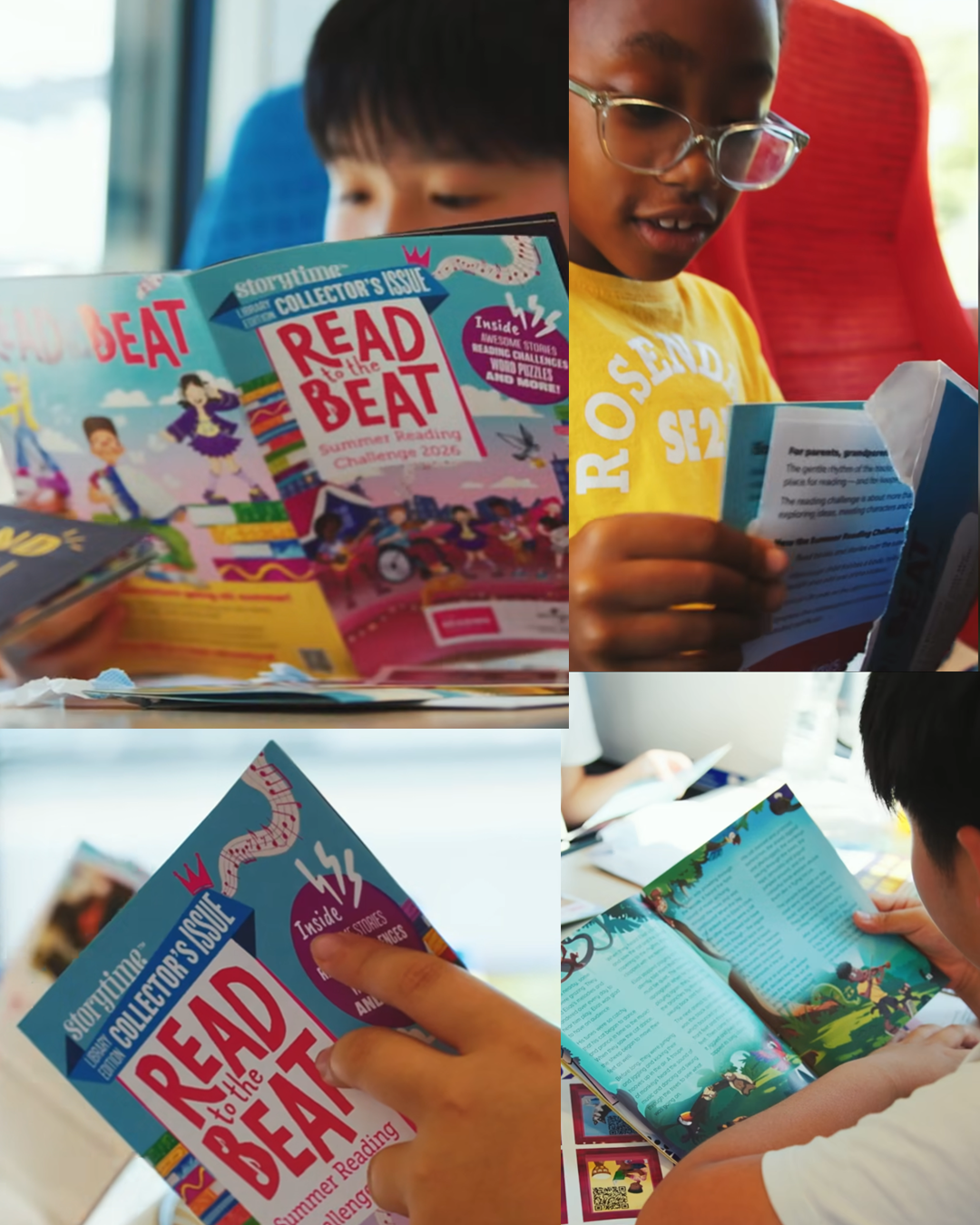
In collaboration with, packed with musical activities, games, and brand new stories as well as some much-loved classics. It’s tucked inside your Summer Reading Challenge pack, available at libraries all over the country – so run, skip, cartwheel, or moonwalk your way there and pick up your copy.


Readers have already started to sign up to take part in the challenge at their local library earlier this month, on Super Sign-Up Saturday (4th July) – but if you missed it, don’t worry. You can still sign up to take part, and there is absolutely no better day to start than today. Remember, every day this summer is a reading day!


This year, for the very first time, children can set their own personalised reading goals for the challenge – whether that means diving into a new genre, discovering audiobooks, exploring poetry, or losing themselves in graphic novels. Authors, musicians and celebrity ambassadors will be popping up at libraries across the UK throughout the summer for free events and activities too.


We all believe that every child deserves access to great stories – whoever they are and wherever they live. That’s been Storytime’s mission from the start, and we feel that in the National Year of Reading we really have a chance to join forces with awesome people that believe in it as much as we do! We you get together you can make wonders – and we couldn’t be more chuffed to support The Reading Agency, Universal Music and The British Arts Council to make this possible! That’s why partnerships like this one matter so much to us.


The Summer Reading Challenge reaches children right across the UK through our local libraries, some of the most welcoming, inclusive spaces families have. Being part of it and helping to put brilliant stories into children’s hands during the long summer holidays is exactly what we’re here for.


This year, it’s time to go all in. Let’s get the whole country reading, singing, and Storytime-ing this summer – see you at the library!


More information on how to join on the website: https://summerreadingchallenge.org.uk/


Storytime Issue 142 Out Now!

Pack Your Bags – The Stories Are Coming With You!

Pack for the holidays – and make sure Storytime is right at the top where you can grab it! Our second summer special issue is here, and you can take it wherever the season takes you. Tuck it into a beach bag, roll it up in a rucksack for a hike or put it in a picnic basket – these pages are your passport to great adventures!

Even if you are staying at home, you can spice up your reading experience by enjoying Storytime in new places. Your bedroom, your garden or your local park – they are all places where you can turn the pages and let your imagination roam!

So what’s waiting for you inside? Here’s a sneak peek!


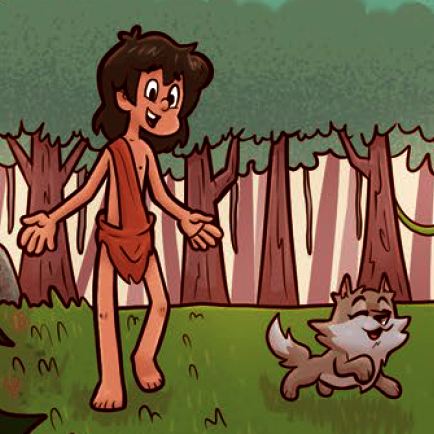
Mowgli is playing hide and seek in the forest – but then a wolf cub goes missing and a fun game turns serious! Pedro Ruiz’s lush illustrations make the characters in ‘Jungle Games’ feel alive…
 

And speaking of thrilling disappearances, YOU are the detective in our special Mystery Zone cover story, ‘The Case of the Crimson Phantom’. A mysterious figure is haunting the Funland Adventure Park… can you unmask them before the final page? Natálie Kartalova’s wonderfully detailed art sets the mood and has lots of clues for you to spot!


Adventure runs through every tale in this issue. In ‘Flight to Freedom’, we meet Minty, a girl who dares to dream of liberty. She sets off to find it, heading north towards a new life. Cajila Barbosa’s powerful illustrations make this a real-story you’ll never forget.


Equally unforgettable is ‘The Birth of Maui’, the origin story of one of mythology’s most beloved trickster heroes. He drifts out to sea as a newborn and must find his way back to his family. LaPiz fills every image with the warmth and wonders of Polynesia!


The universe itself is place of wonders, don’t you agree? In ‘The Boom That Made the Universe’, young Eddie gazes up at the stars and makes the most mind-blowing discovery imaginable. Lys Freire’s cosmic illustrations are out of this world, too.


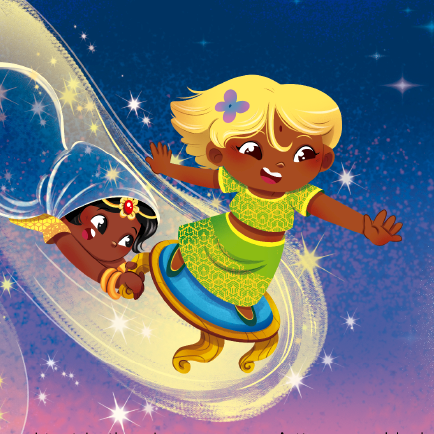
Still looking at the heavens, in ‘Two Gems in the Sky’, two sisters receive dazzling jewels that transform them in ways they never expected – a glittering myth from the Philippines brought to life by Fabio Mancini’s rich, jewel-toned artwork.


There’s magic aplenty in our fairy tale this month! In Shakespeare’s ‘The Tempest’, a powerful magician summons a storm to punish those who wronged him – and Alex Herrerías’s dramatic illustrations crackle with colour and magical energy.


For something extra-enchanting, we added a little poetry to this summer issue – and invited ‘The Fairy Fleet’ to sail by! This is a magical poem about tiny ships voyaging across moonlit waters, illustrated with delicate brushstrokes by Tamasin Warnock.


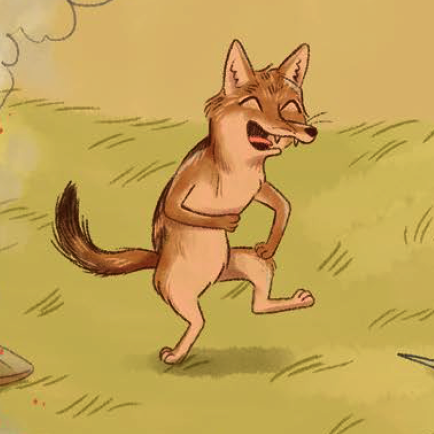
Another trickster rounds out the issue in style! In ‘The Jackal and the Drum’, a clever but greedy jackal investigates a mysterious sound – and Flor Milano’s playful art makes this fable an absolute delight.


Finally, in ‘What I Am Not’, a little river-dwelling creature is upset that nobody can agree on what he’s called. Rosina Spivak’s adorable illustrations will make sure you never forget his name again!


Whether you’re reading this on a sun-lounger, a mountain trail, a long car journey or curled up in your bed, the adventures inside these pages will go wherever you go. All you need is Storytime and your brilliant imagination. Happy exploring, little readers!
Where Illustrators Find Inspiration


Guest Blog: Where Illustrators Find Inspiration!
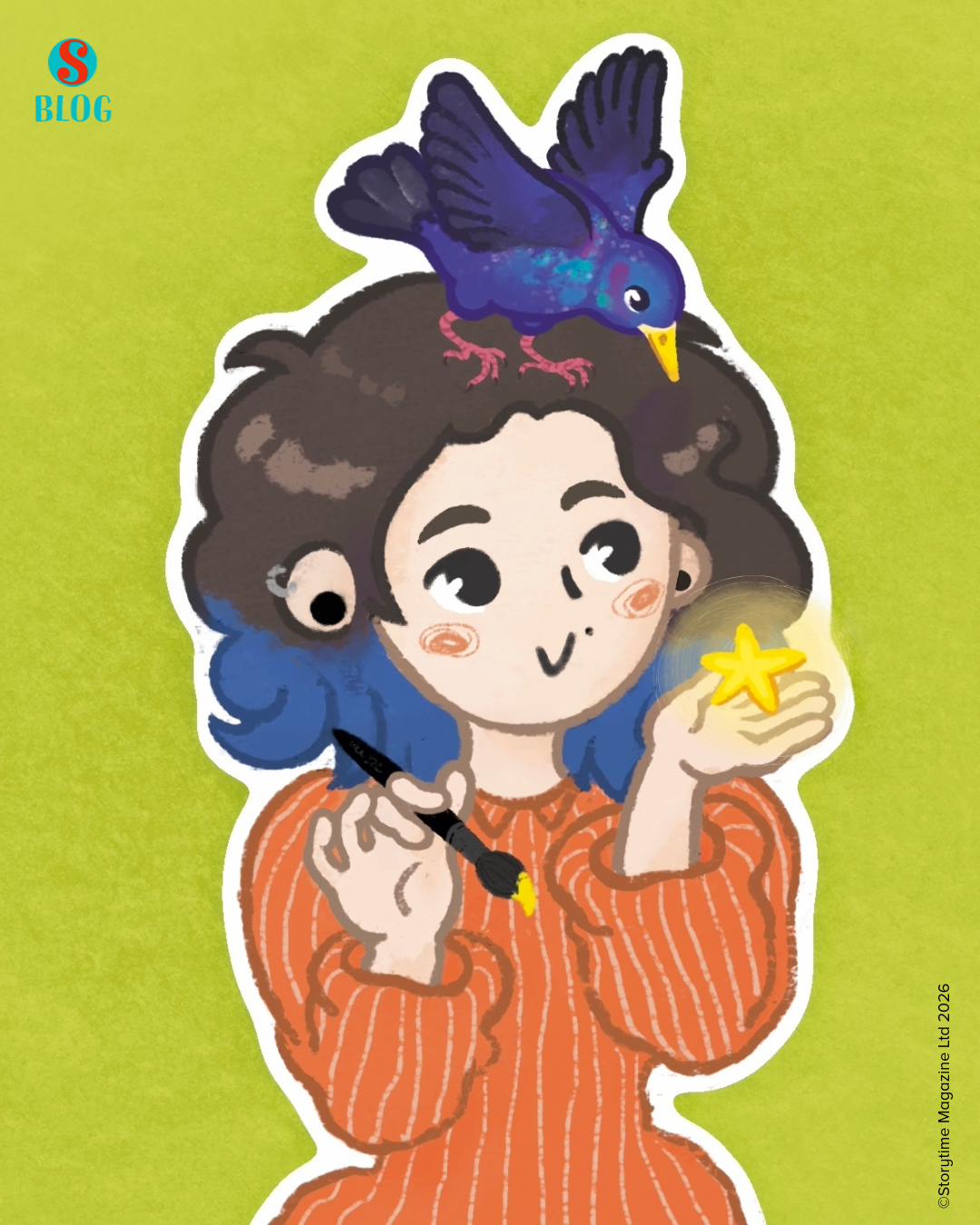
This month, we have a special guest blog from artist (and Storytime intern) Anna Kosova!


Hi!! I’m Anna, an illustrator from Berlin, and I’m currently doing an internship here at Storytime! While studying at university, I realised that children’s book illustration is the direction I feel most drawn to. In this blog post, I wanted to talk about how I look for ideas for my illustrations – and how the most interesting ones often come about completely by accident!


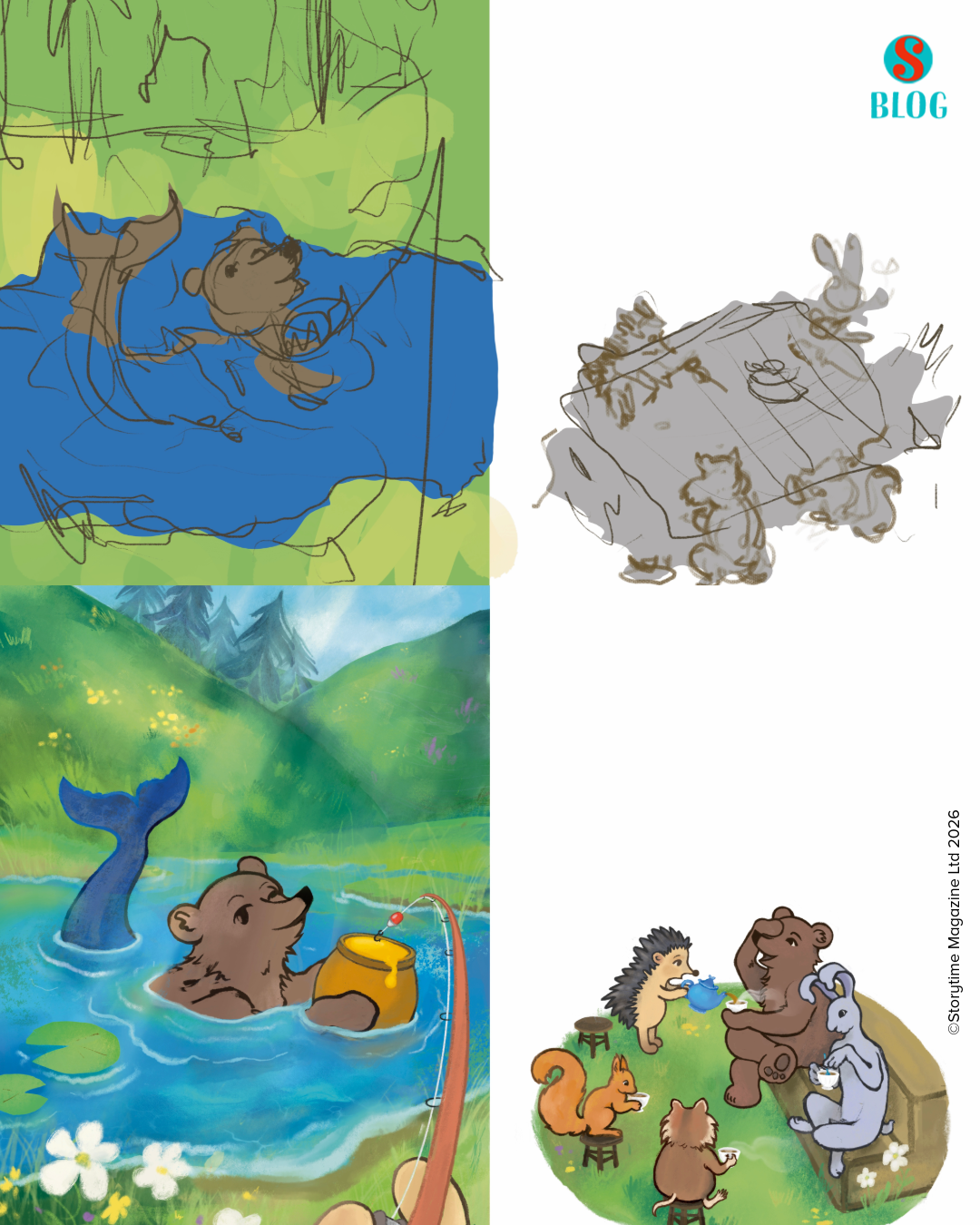
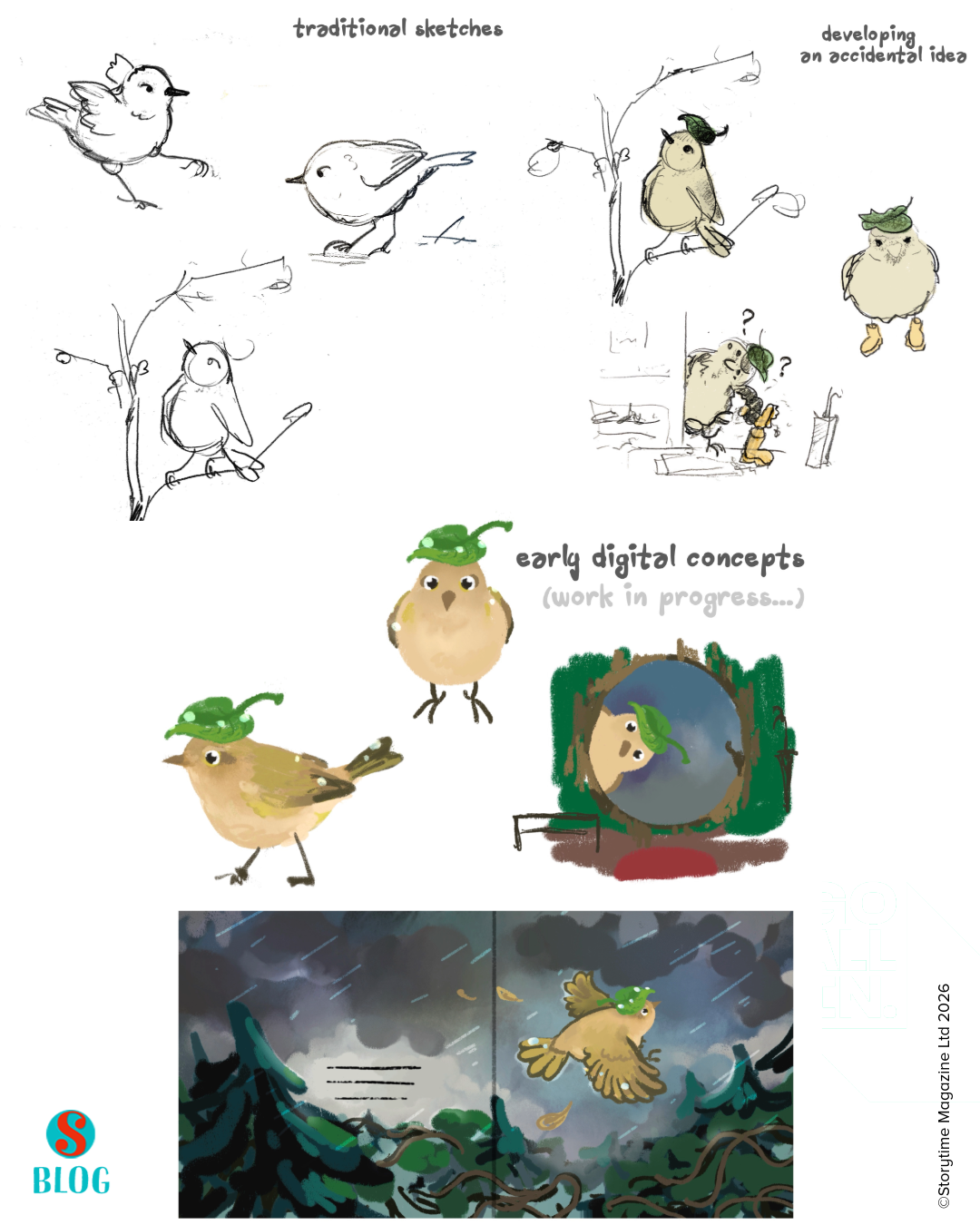
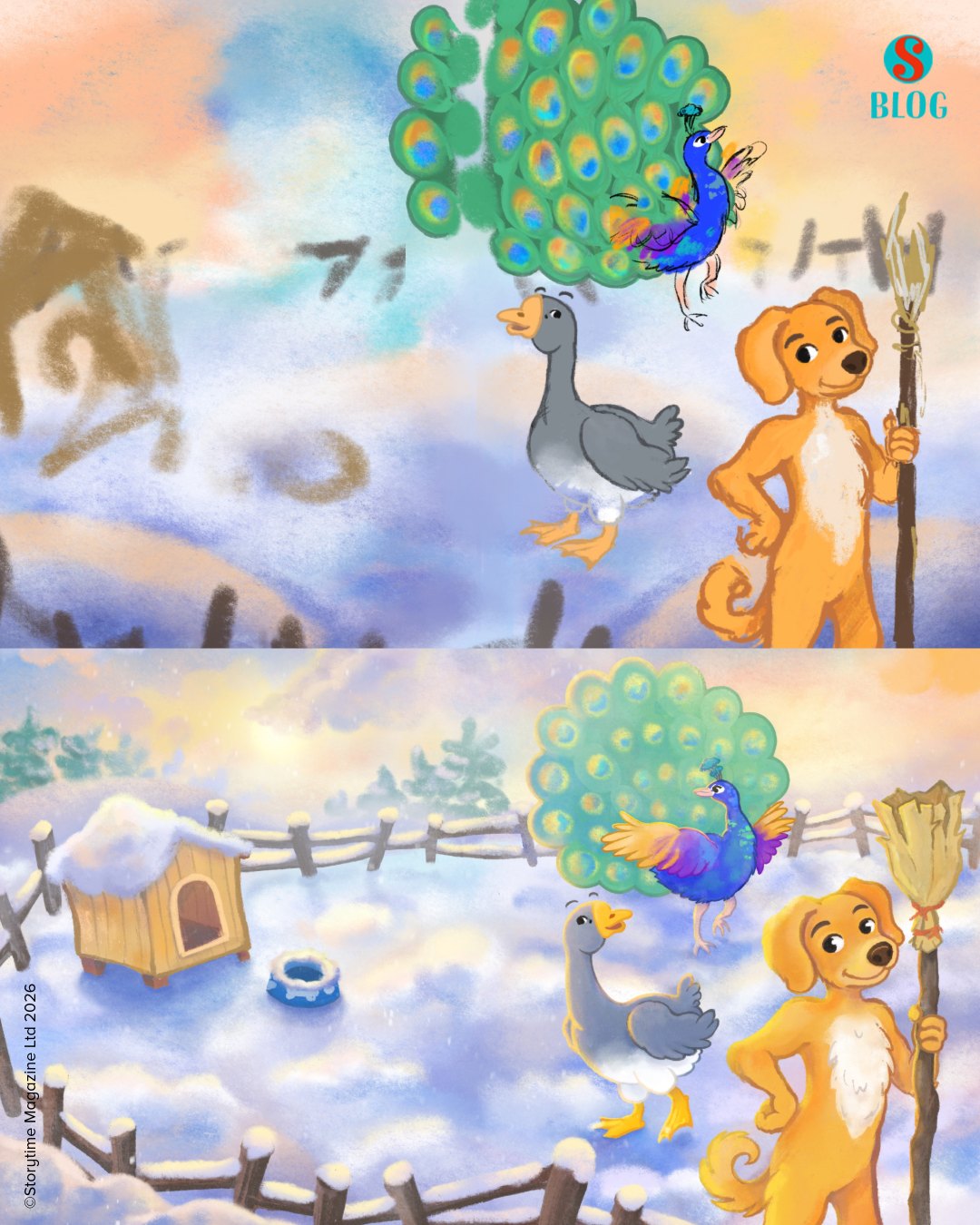
Sketch and final version of the book spread

For a long time, it seemed to me that a good illustration had to begin with a perfect idea. That the artist first comes up with an entire world in their head – and only then transfers it onto paper.


I probably thought this way because I’ve always been quite a structured and rational person who likes planning everything in advance and organising ideas before starting. So even before opening my sketchbook, I wanted to understand exactly what I was going to draw and how it would turn out.


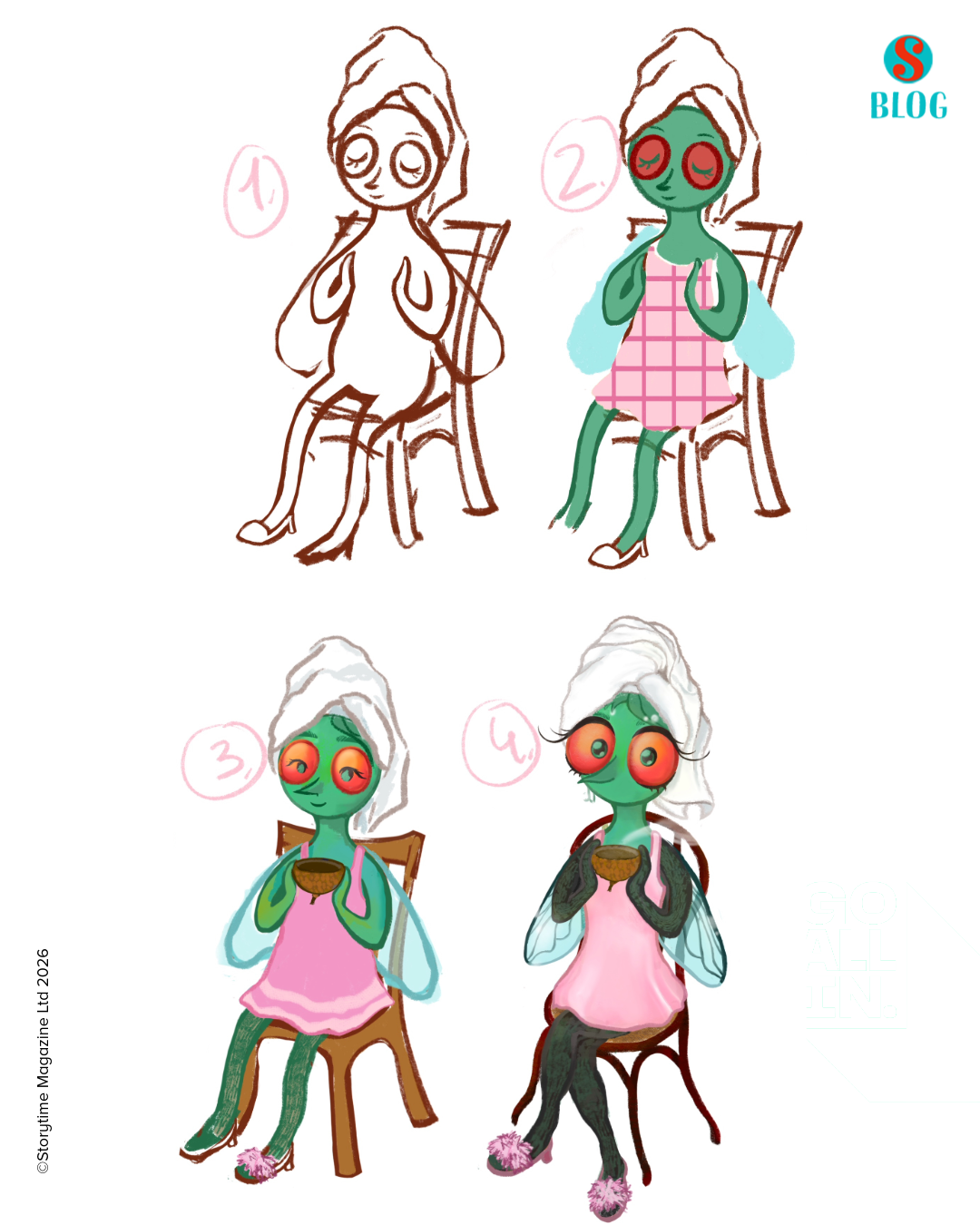
Stages of developing a character design

But the harder I tried to come up with an idea beforehand, the more creatively stuck I became. Sometimes, I spent so much time searching for something ‘perfect’ that I completely forgot the most important and fun part – actually drawing!


That’s when I began noticing something: my favourite ideas almost never appear when I’m focussing on making them perfect. The best ideas emerge naturally out of things I see in the world around me!


From sketch to final illustration

Sometimes it occurs during a walk after the rain, when a puddle’s shape suddenly looks like some strange little creature. Sometimes it’s a cloud that starts looking like a cat wearing an oversized hat. And sometimes it’s shadows on a wall that turn into the silhouette of a princess riding a horse.


I think many of us did something similar as children – looking for animals in clouds, silhouettes in wallpaper patterns, or shapes hidden in the designs of old carpets. Back then everything felt like a game, and even the most ordinary things could suddenly become an entire little theatre full of scenes, characters, and stories! And I think that this feeling of playfulness and randomness is a very important part of creativity.


All these little details around us are already a great source of inspiration, but there are also special exercises that artists use when blocked creatively. They work in a similar way: they simply draw random blobs and shapes on paper, and then try to find images in them, drawing characters or little scenes over the top.


I absolutely love the that sometimes it’s not an idea that creates the drawing, but rather a drawing, a random shape, or a tiny detail!


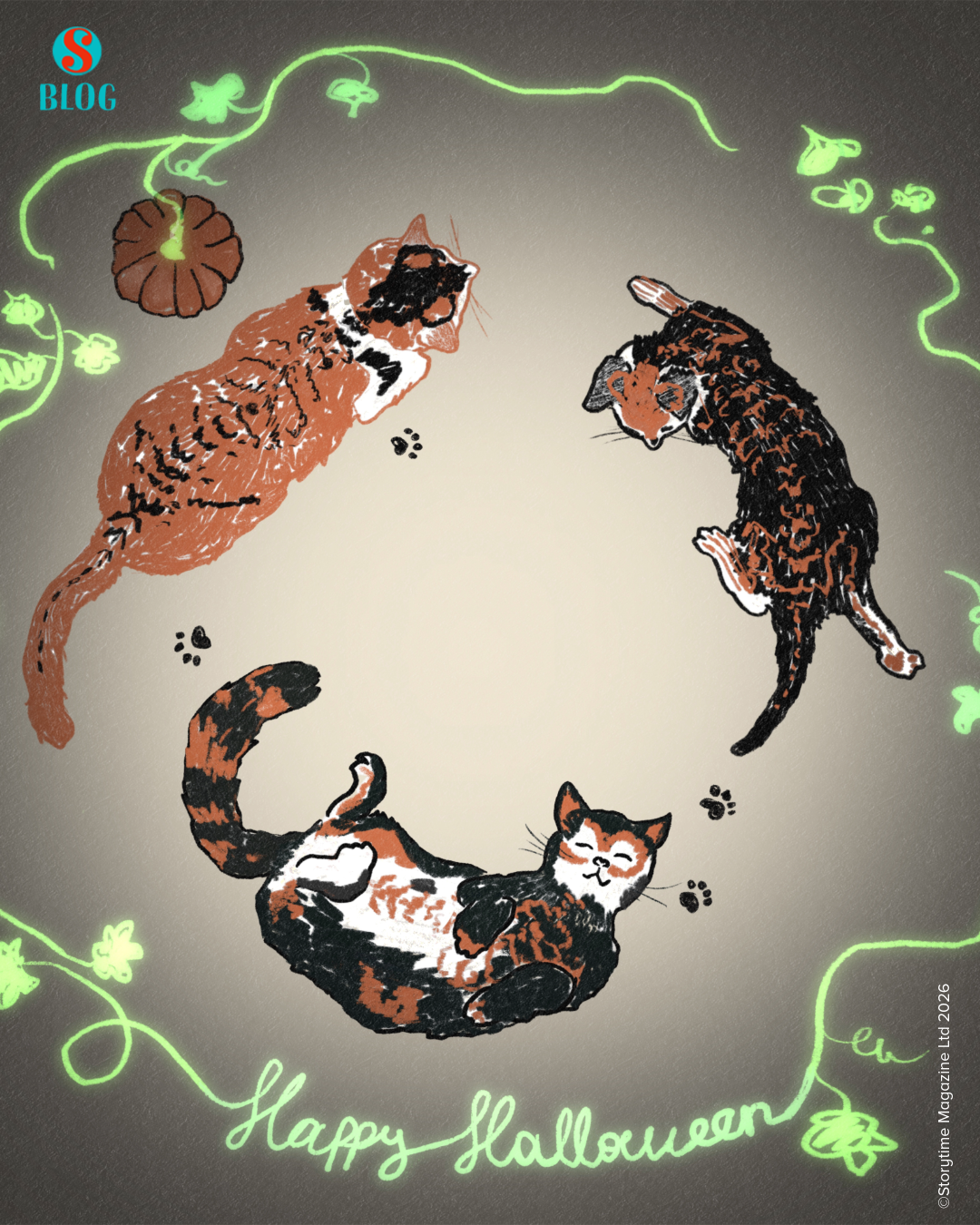
Halloween card illustration

Another time, I was sketching cats in different poses when I suddenly noticed that one of the patterns I drew in the fur of one looked a bit like a skeleton. I thought it would be funny to draw cats whose fur looked like little skeletons – and later that random idea actually turned into a Halloween card illustration.


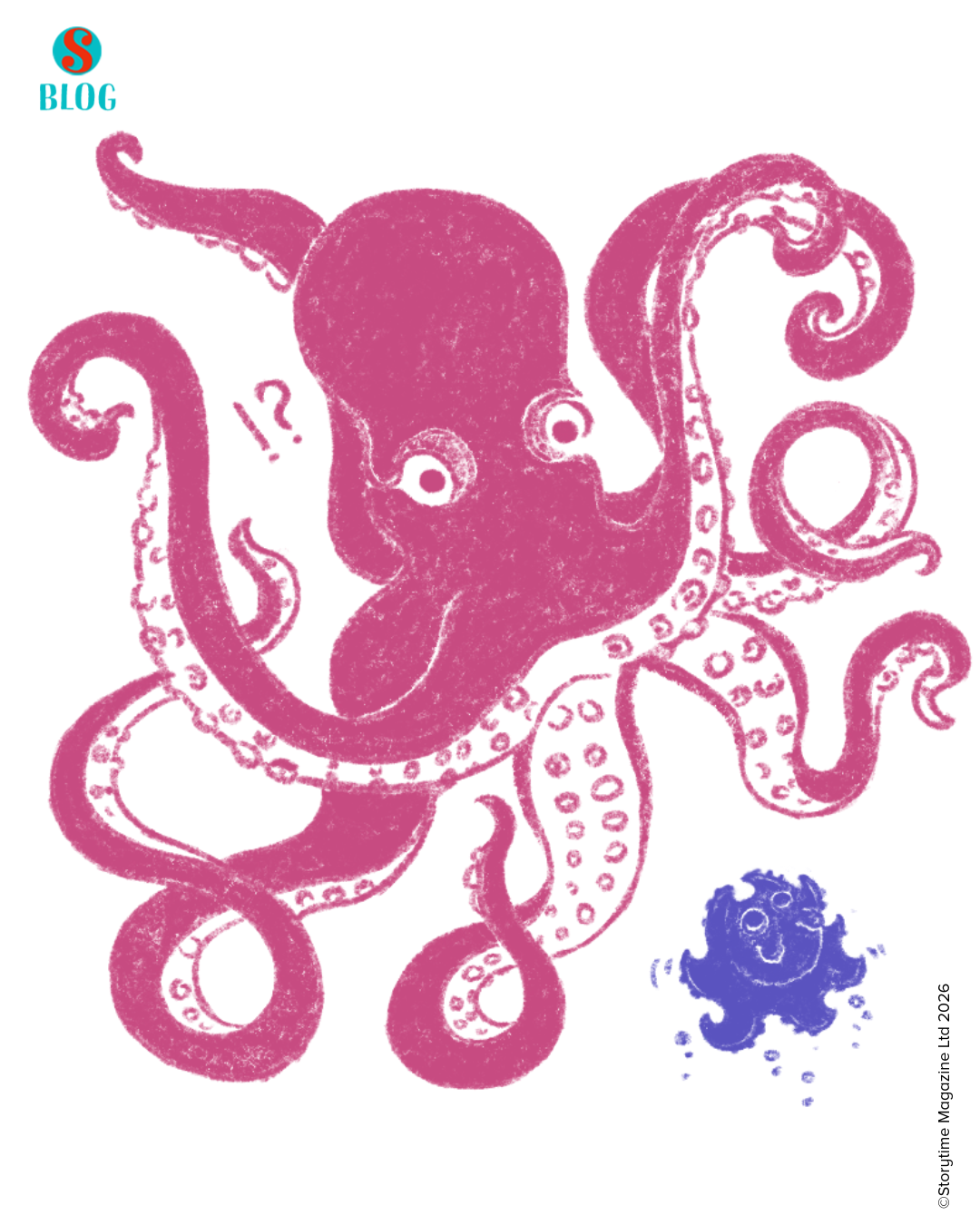
Sometimes, these random sketches can lead to discovering completely new things you didn’t know much about before! For example, while sketching an octopus, I accidentally doodled a smaller shape next to it and immediately thought of drawing a tiny baby octopus beside the bigger one. That little accident eventually led me to discover Dumbo octopuses – adorable deep-sea octopuses with tiny ear-like fins!


The more I noticed these accidental ideas appearing in my own drawings, the more curious I became about whether other artists work in a similar way. That’s how I discovered more about the creative process of Hayao Miyazaki – the master of Japanese animation and creator of countless incredible worlds, characters, and stories that touch the heart and soul. I was really surprised when I found out that he never fully knows how the film he’s working on is going to end! Instead of limiting himself with a fixed story, he searches for shapes and images through sketches and drawings first. His imagination slowly develops interesting characters, tiny details, and the atmosphere of a future world. Only later does the story itself begin to grow from those accidental discoveries!


Here are some images of the process

This exact approach is helping me a lot right now while working on my own project! For a long time, I wanted to create a picture book about birds, but I had absolutely no clear ideas for a specific story. So instead of forcing myself to invent a plot straight away, I simply took my sketchbook and started drawing. I looked at photos of my favourite birds, read funny little facts about them and experimented with shapes and silhouettes on paper without fully understanding where any of it would lead.

At one point, I accidentally drew a small shape above a bird’s head that looked like a leaf, and suddenly I imagined a tiny bird using it like an umbrella while hiding from the rain. From that one little image, an entire story slowly began to grow!


And that’s exactly why I love illustration so much! It changes the way you look at the world around you, and something very small and seemingly insignificant can begin growing into an entire world…


Anna Kosova is an aspiring children’s book illustrator with a love for storytelling and nature. Inspired especially by animals and people, she enjoys using bright colours to create cozy, warm, dreamlike illustrations. Alongside working on book covers, short stories, and picture book projects, she continues experimenting with different visual styles and developing her portfolio.

You can view her portfolio here, and check out her work on her instagram profile here.

Storytime Issue 141 Out Now!

Storytime Issue 141 – Ready, Set, Adventure!


Summer is coming… and so is the spirit of adventure! Issue 141 of Storytime is bursting with bold characters who chart their own course, sail across seas, follow their hearts and prove that we are all the hero or heroine of our own story. Get inspired by our crew of adventurers – and look forward to a summer like no other!


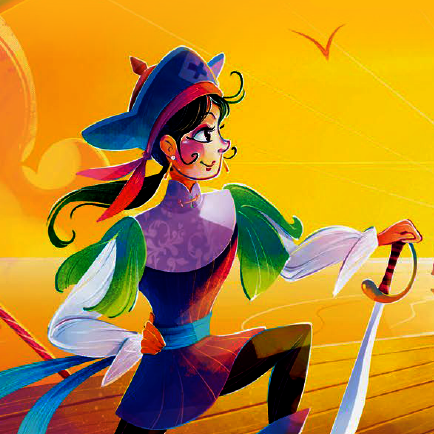
Our cover story sets the tone with ‘The Pirate Queen of China’. This tale stars the extraordinary Shi Yang, who grows up to become the greatest pirate to ever sail the seas. This is a tale of ambition, courage and sheer unstoppable will – and Cuong Pham’s illustrations bring every wave-crashing, flag-flying moment to life with stunning flair.


Adventure also calls from the skies in ‘The Best Nest’, in which two seagulls must figure out how to build a cosy home together. Home is where the heart is, and Steven Short’s charming story (with beautiful pictures by Jessica Antonini) reminds us that sometimes the bravest thing you can do is to follow your dreams!


Speaking of creating something magical: in ‘The Kitchen Prince’, little Auguste discovers that the kitchen is a place of wonder. He may not have wanted to become a cook, but destiny (and perhaps a little magic) has other plans! Emilia Rivera’s illustrations make this delicious tale a feast for the eyes.


A cheeky trickster is brave and clever enough to accomplish the impossible in ‘How the Dragon Was Tricked’. A mischievous boy named Tom must use his wits to outwit a clever foe – and Aalyiah Bell’s dynamic art keeps you on the edge of your seat throughout.


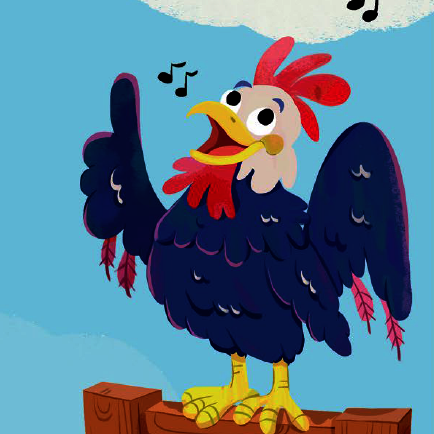
Meanwhile, in ‘The Proud Rooster’, a vain cockerel feels heroic when he becomes a tasty target for a cunning fox… Will he escape? Polina Povshedna’s lively illustrations make this classic fable a lot of fun.


Sometimes, we discover who we truly are by leaving home. In ‘Yianko and the Sea Mother’, a fisherman’s son must flee the clutches of a powerful ocean goddess and make his own way in the world! A mythic adventure rendered in gorgeous, atmospheric colours byJulija Us.


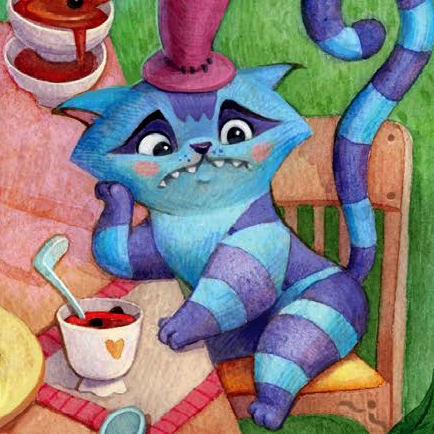
Even Wonderland has its own tales of courage, and this issue features a perfect story for bedtime! In ‘The Cheshire Cat Finds His Grin’, Alice steps up to help her feline friend rediscover his smile. Sasha Zinch’s enchanting artwork gives a fresh and whimsical glow to our favourite wonderland!


Finally, our STEM story features two brainy brothers as unlikely heroes! ‘Going Viral’ is the true story of how a pair of young computer whizzes created a computer virus and influenced the world of technology forever. Paulo Pazciencia’s art brings this electrifying tale to life!


Every character in this issue reminds us that all our lives can become exciting adventures. So pick up Issue 141, enjoy eight new tales, and remember to have fun along the way. Happy reading, fellow adventurers!