Archive for the ‘About Stories’ Category

Turning Pages Together: The Impact of a Simple Book Swap


Guest Blog: Marie Zarro

We are delighted to welcome Marie Zarro as a guest contributor, someone whose work we have long admired.
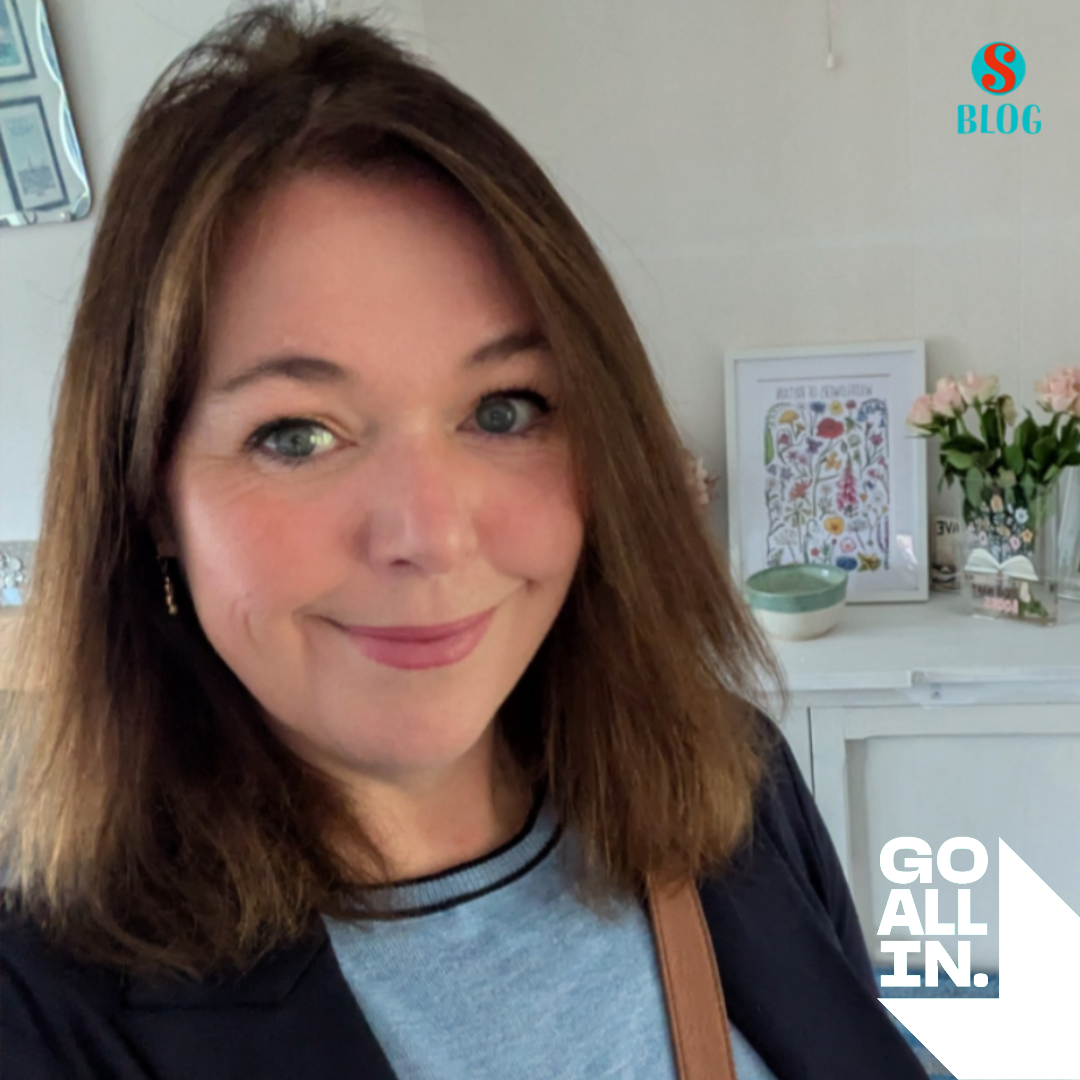
Teachers play a vital role in our mission to inspire reading for pleasure, and it’s the passion, creativity and commitment of educators like Marie that continually shape and inspire what we do. Her dedication to building reading communities and placing stories at the heart of the school day is something that has ripple effects in her school and beyond.

We were particularly inspired by Marie’s brilliant book swap initiative, a simple and powerful idea with the potential to inspire readers for life. We’re so pleased she has shared it with us here, and we hope it inspires many more schools, teachers and families to spread the joy of stories.


Turning Pages Together: The Impact of a Simple Book Swap


Children’s enjoyment of reading is at its lowest in two decades, with only 1 in 3 children aged 8-18 saying they enjoy reading in their free time.

This makes simple, community-centred approaches like book swaps more important than ever.

A Book Swap

A book swap is a simple yet powerful event that gets the whole school buzzing about books!

At its heart, a book swap encourages children to share high-quality books with others, and, in return, choose new titles for themselves to enjoy – all for free! We have found that this not only fosters a love for reading, but it also equips our children to be responsible stewards of this planet by choosing to re-use and re-cycle.
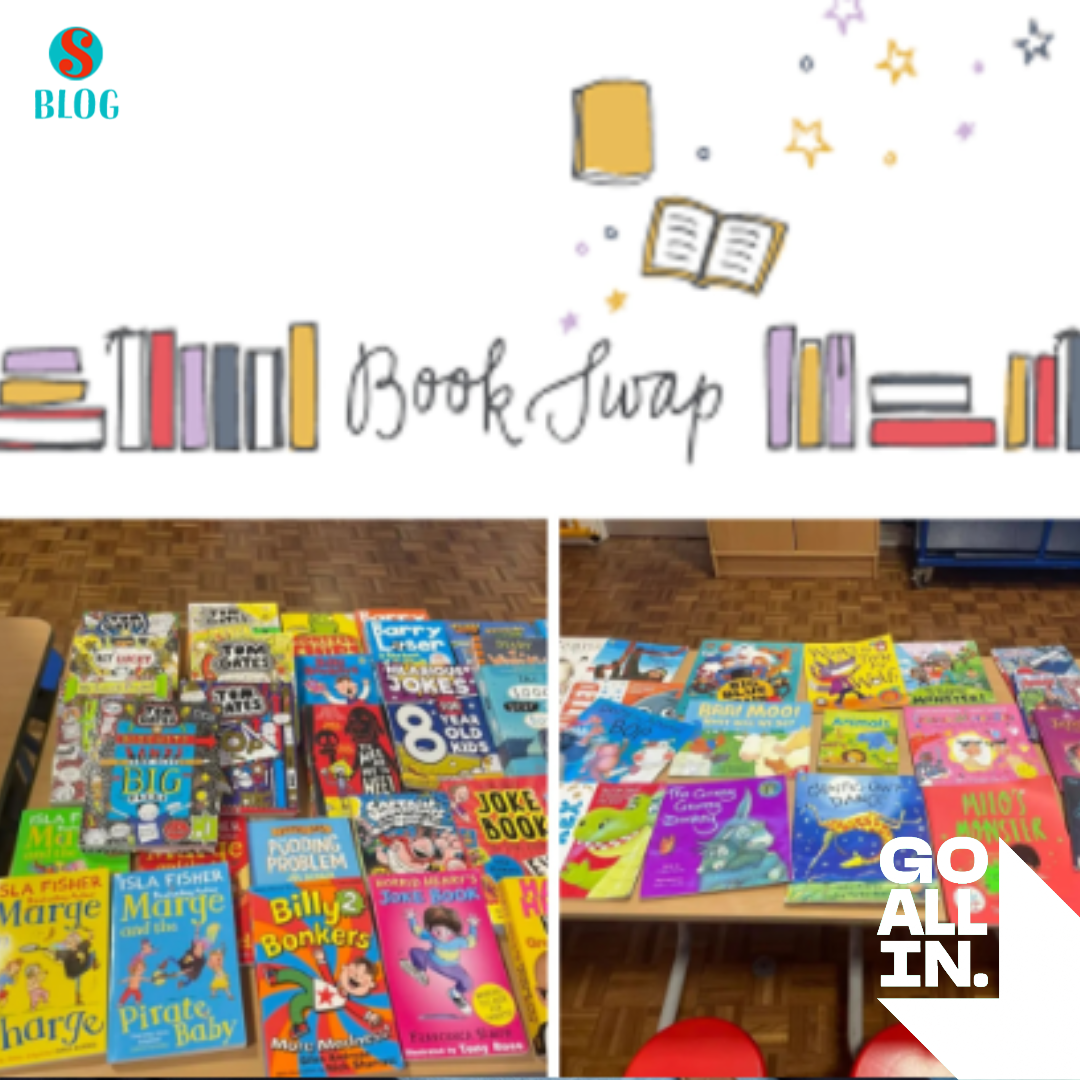
One of the biggest advantages of a book swap is that it gives children the opportunity to explore texts they haven’t read before. With each swap, pupils are exposed to new authors, genres, and topics that they may not have encountered otherwise. This can reinvigorate their enthusiasm for reading, helping to develop literacy skills, imagination, and empathy. By choosing their own books, children are also given autonomy in their reading, which can boost motivation and engagement. One child stated that, “It’s a good chance to share books that you have read and liked so that others can enjoy them too.”

Setting it up is easy – especially if you have eager and willing Reading Ambassadors or Eco Warriors who are happy to help. Our children like to use a token system whereby you are given a number of counters that matches the number of books you have brought in to swap. Once the counters have been distributed, and the books have been neatly presented in the hall, children are then invited to come and swap their tokens for books that are new to them.
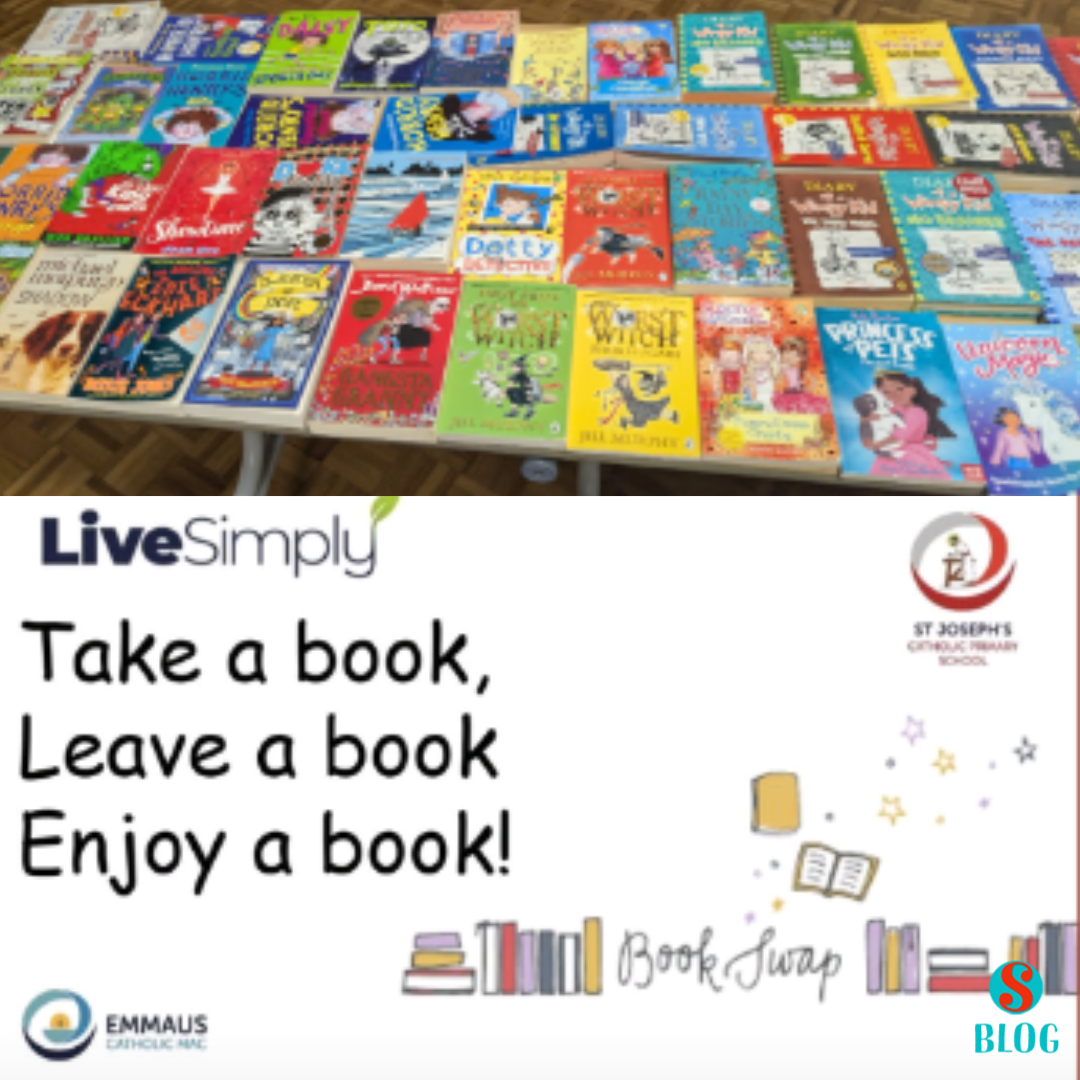
This tends to take place during morning break so that they can then spend some time poring over their newly acquired reading material! It is such a treat to see the hall alive with children bustling around with books under their arms and smiles on their faces. As they filter out into the playground, it is lovely to catch snippets of shared discussions as children build on each other’s conversations and study the pages of fresh books!

The swap not only encourages reading but a sense of community and generosity. Children take pride in giving a book they’ve loved to someone else, knowing it will bring joy to a new reader. They can often be heard saying that, “I think that such and such would like this book.” Children speak fondly about book swap and have mentioned how, “It’s lovely that books don’t go to waste and that you can swap them with other people,” and, “It might not be a book that you have enjoyed, but someone else might love it.”

For families, it also provides an affordable way to refresh their child’s reading selection without financial pressure.

Sharing books in this way is simple and free, but the impact can be huge. For children who may not have a book to swap, we make that there is a box of books kept as a secret stash so that every child can join in with the book swap – after all, we want all children to have their own books!


Other things that help foster a love of reading in our school are:
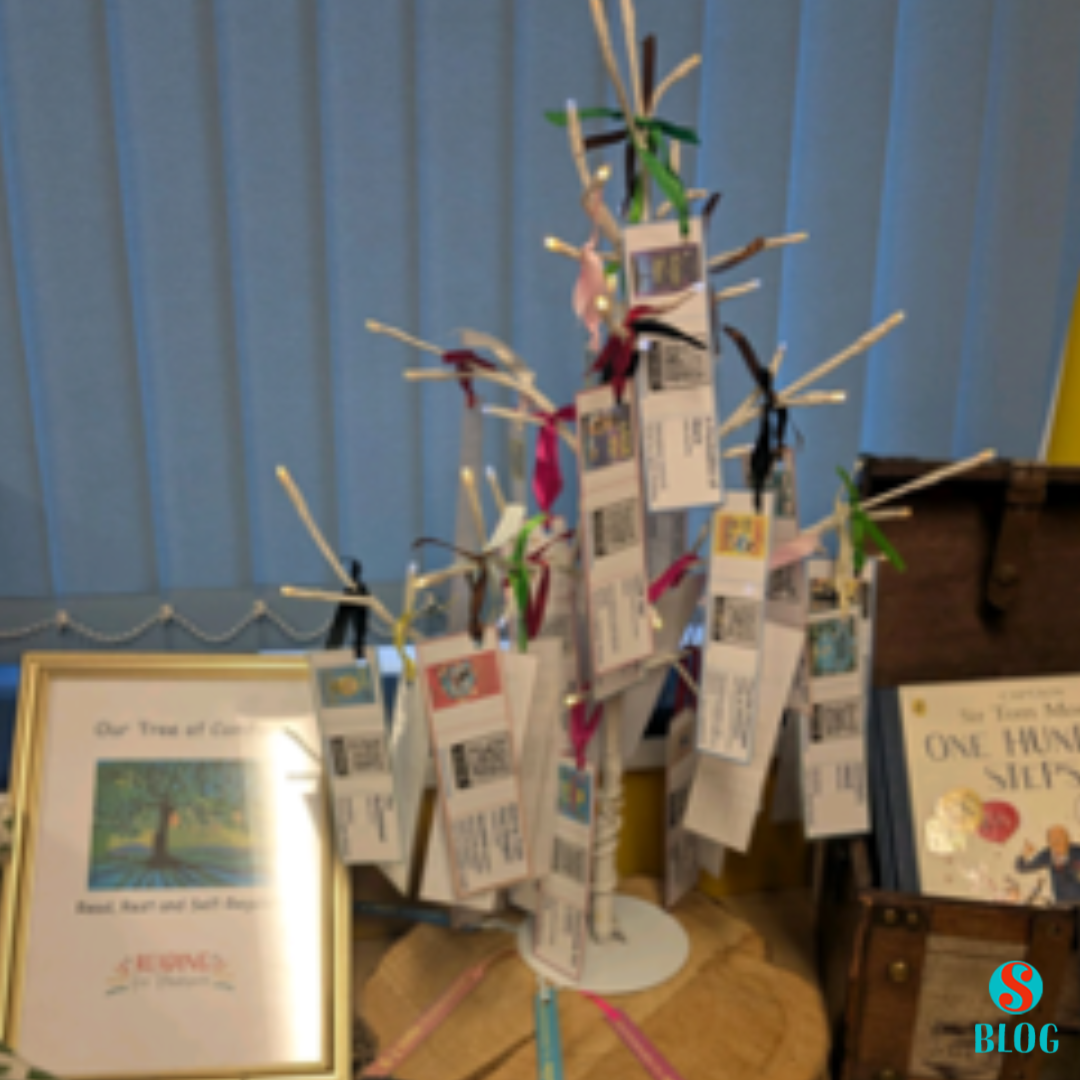
 

Listening Leaves on the Audio Tree

For some children, a love of reading begins with hearing a story. Our audio tree has tags that children can listen to. This creates a calm, inclusive place where listening becomes an invitation into reading.

By offering access to texts in multiple formats, we support what Teresa Cremin calls the development of ‘readers for life’, not just readers for assessment.


Our Shared Class Padlet Page
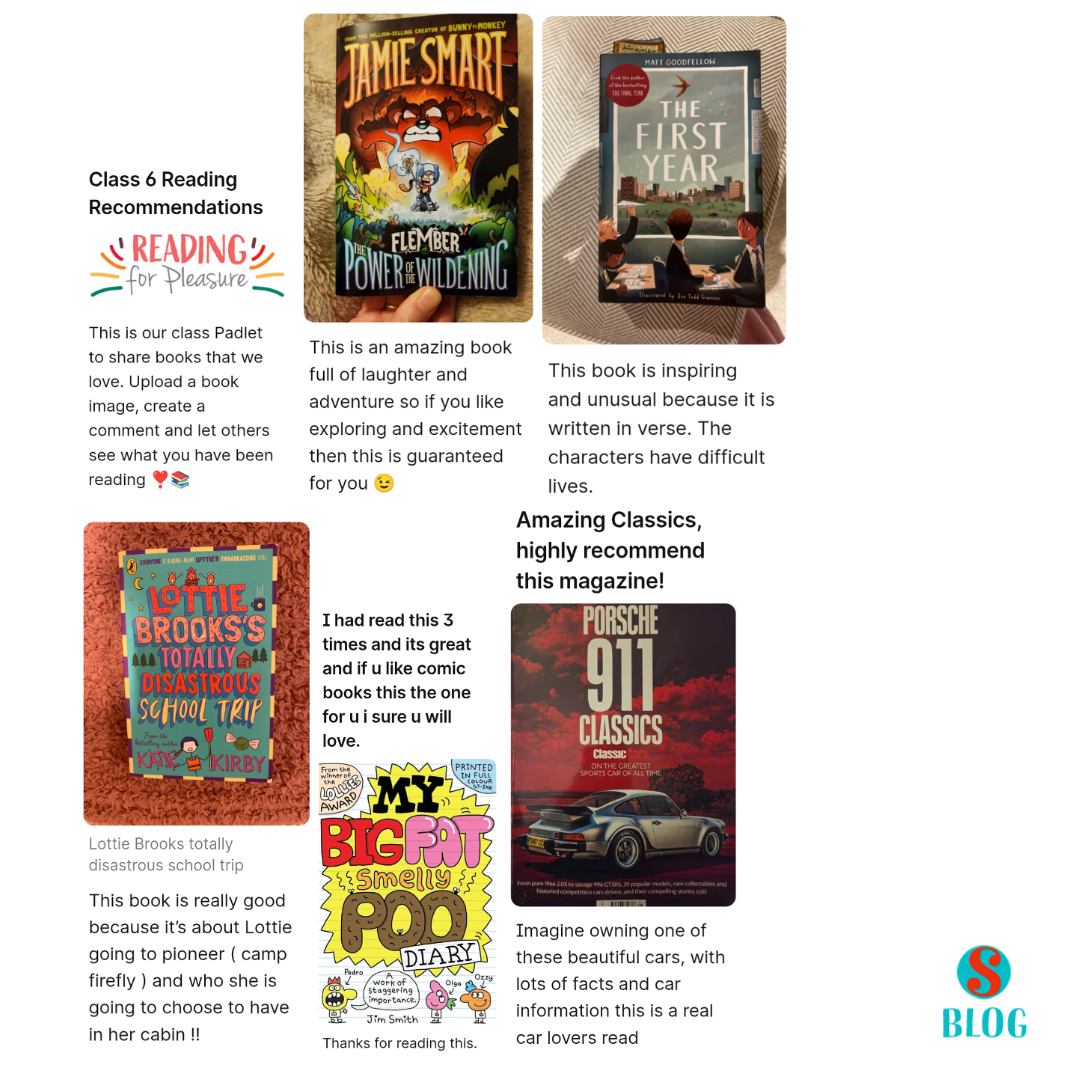
Padlet is a web app that works on most digital devices. Our class padlet page has been a huge hit this year! It acts as a virtual noticeboard where children post recommendations, snapshots of books, and quick reviews.

It has fast become a low-pressure s social pace where children inspire each other, developing a sense of community, connection and belonging. Not only that, but it gives me an insight into their worlds of books!

Quick Reads for Busy Readers
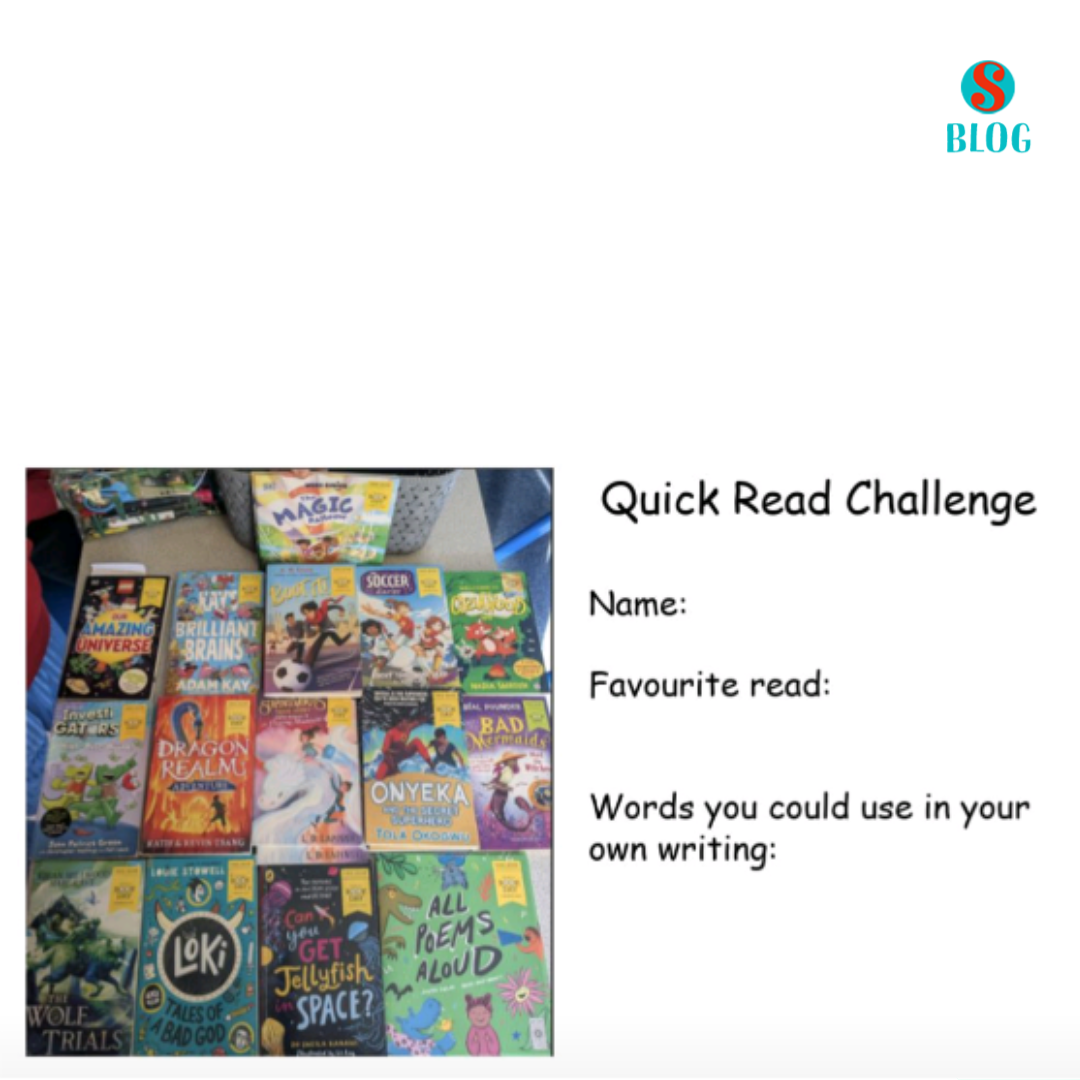
A child in my class has set themselves the challenge of reading all the free World Book Day books that I have collected over the years. These are a handy – and inexpensive – way to collate sets of short reads that children can read side-by-side and chat about together.

This resulted in the birth of the Quick Reads challenge! Children who find reading whole books a bit challenging love the fast success, confidence and momentum that this provides them with.


Journaling the Journey
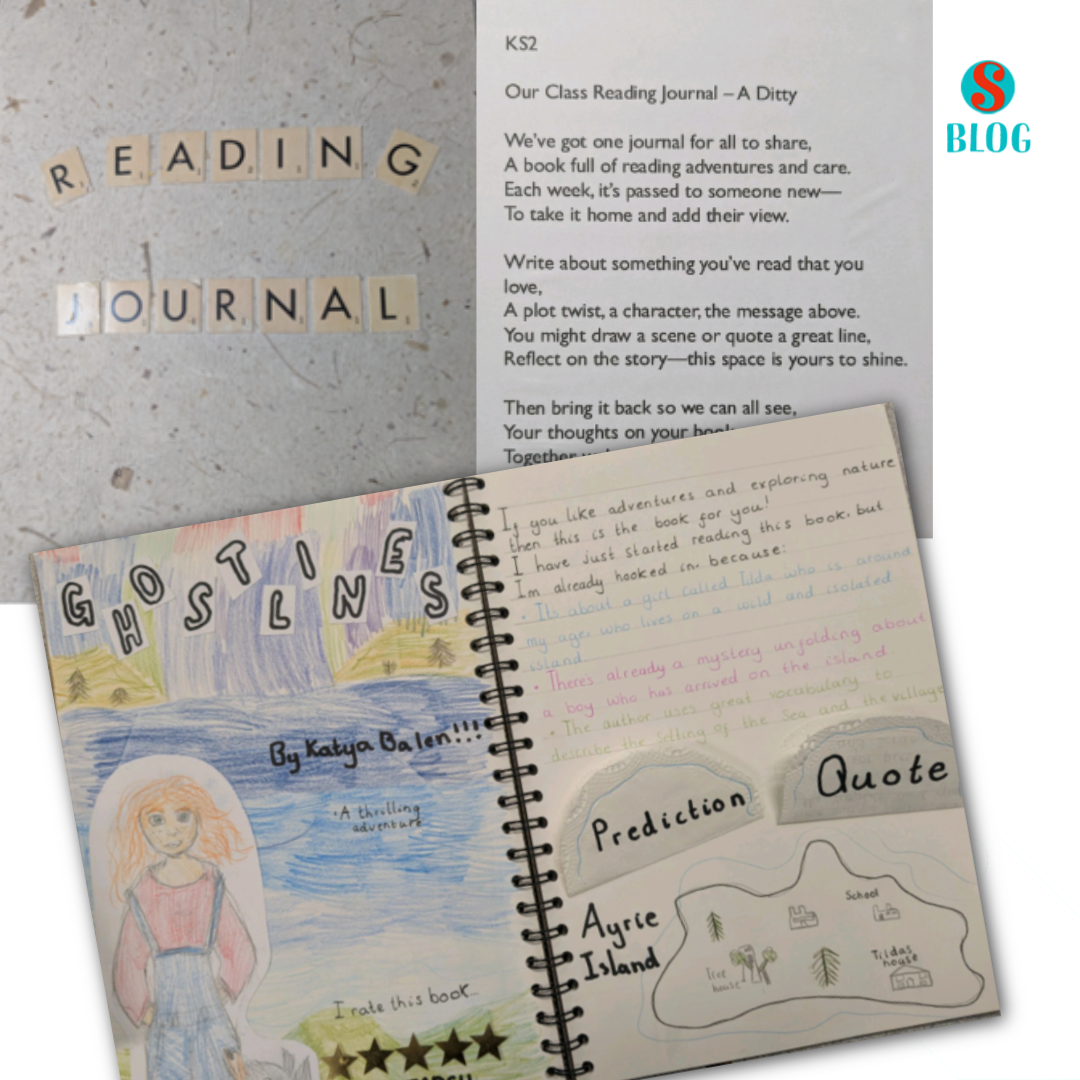
Giving pupils a page of their own in a class reading journal gives them a place where they can sketch characters, quote lines they love, write down words they have magpied, or record thoughts and themes. These reflective practices nurture deeper engagement with texts.

It is lovely when each child takes the floor and shares their page and the book they have read. This often leads to that book flying off the bookshelf and into the hands of other interested classmates!


Turning Pages, Together
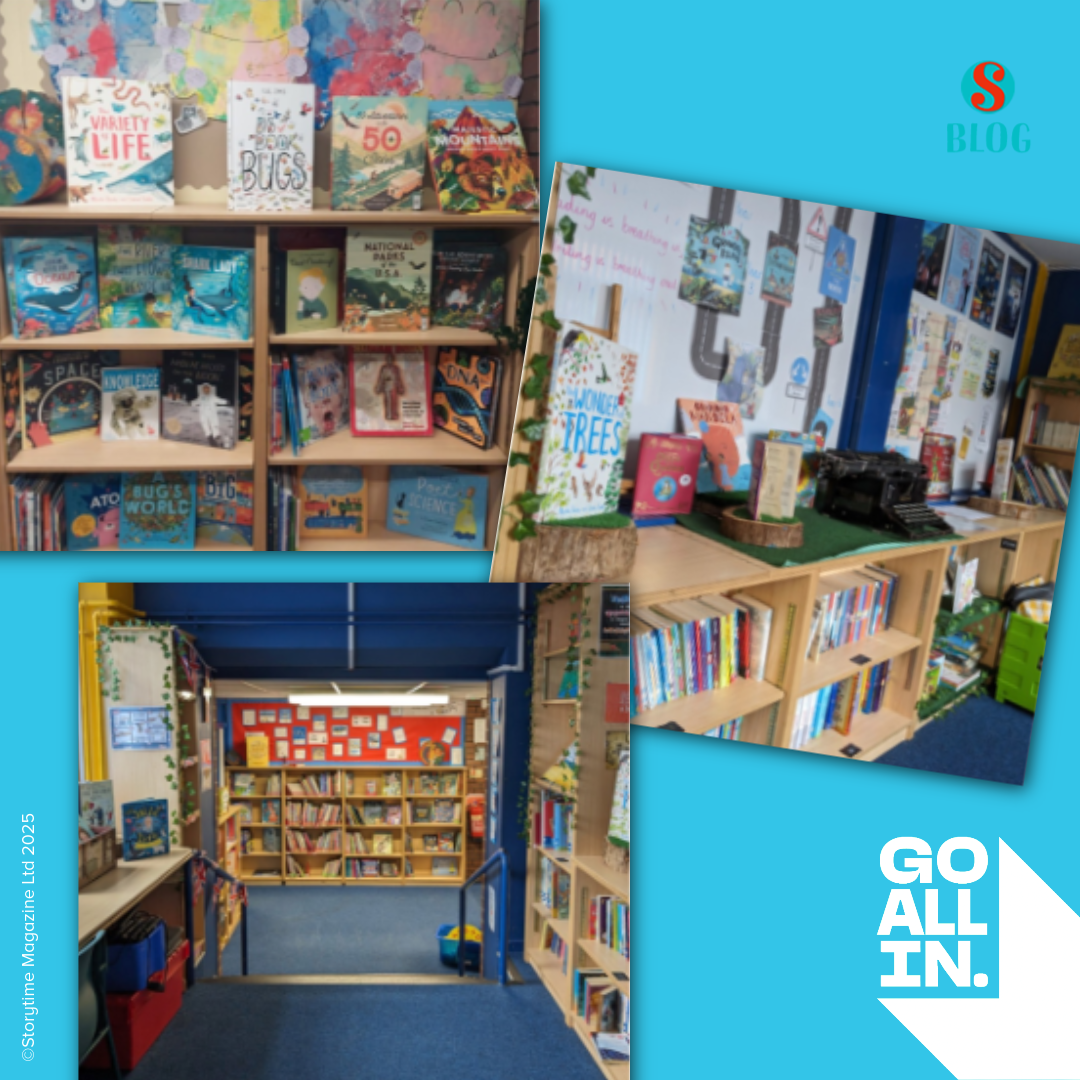
Book swaps, audio trees, padlets, journals, and quick reads all create different doorways into reading. This list is far from exhaustive, but at a time when children’s reading enjoyment is at a twenty-year low, these simple, sustainable practices have helped us to rebuild and keep the joy, choice and community that underpin reading for pleasure.

They remind us that our goal is not to just teach reading, but to grow readers for life in all their wonderful forms.


Marie Zarro has 23 years of experience as a dedicated primary school teacher. She is passionate about instilling a love of reading for pleasure and fostering a lifelong love of learning for all children.

As a proud member of the Editorial Board for the 4-11 Primary Magazine she strongly values the work of English subject associations as essential in supporting teachers, shaping practice, and championing literacy across the primary sector.

As part of her ongoing commitment to fostering reading communities she leads a Teacher Reading Group as part of the UKLA and Open University Reading for Pleasure initiative.

More recently she has begun to branch out into sharing her practice more widely through conferences, podcasts, and online CPD, supporting colleagues across the profession and contributing to a broader conversation about effective literacy teaching.

As a child who was fortunate to be brought up into a story rich home, she tries to emulate this for all children during their school day.

 

Storytime Issue 140 Out Now!

Storytime Issue 140 – Spring into Stories!


It’s spring! That means warm sunshine, cool showers and fresh green leaves on the trees! It’s a time of new beginnings… and that’s a theme running through the tales in the latest issue of Storytime!


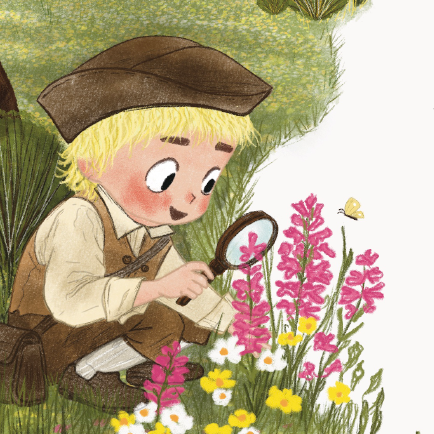
The story that really brings the spirit of the season to life is ‘The Plant Kid’, the true story of someone who really likes plants… and the springtime, too! Young Carl draws and catalogues every growing thing he sees… is it any wonder that he grows up to become a famous botanist? Iya Voinich strikes a perfect blend of realism and whimsy in her illustrations for this tale.


A new season is also a time for new discoveries! Our cover story, ‘Waffle Wonder’, stars a cheetah who loves going fast… but what should he do if his running shoes won’t grip the track? He invents a new kind of sole! Inspired by the creation of an actual running shoe, this STEM Time story is all about the creative process, and there is plenty of extra info about how real trainers are made, too. You’ll love Damian Zain’s art, too – the characters really do look as if they’re moving at top speed!


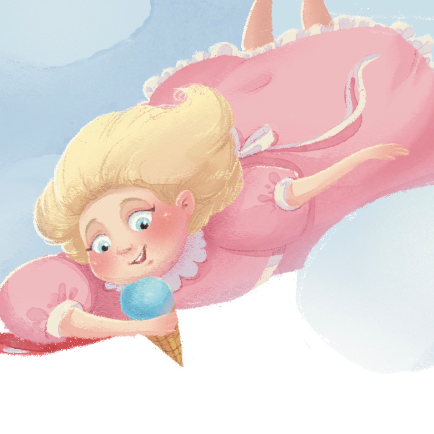
Spring is also a great time to look at the world around us from another point of view. That’s a theme in ‘The Floating Princess’, a fairy tale inspired by a story from George MacDonald. When a witch curses little Princess Nora, the girl finds herself floating all the time. She doesn’t let it get her down (literally!) and even discovers the magic of swimming. You’ll ne enchanted by this original story… and Anastasia Kryzhan’s illustrations!


Going outside and breathing the fresh air also helps us to appreciate the wonderful natural world around us… but what would happen if it didn’t work a it should? This is what happens in ‘The Man Who Drank the Ocean’, an Indian legend. Godlike beings called devas ask a wise man to gulp down all the water in the seas… without realising that he can’t bring it back! Luckily, the goddess Ganga is sent down to Earth to refill the ocean and create the river Ganga (Ganges) in the process. Ananda Ferreira did a fantastic job with the images for this tale.


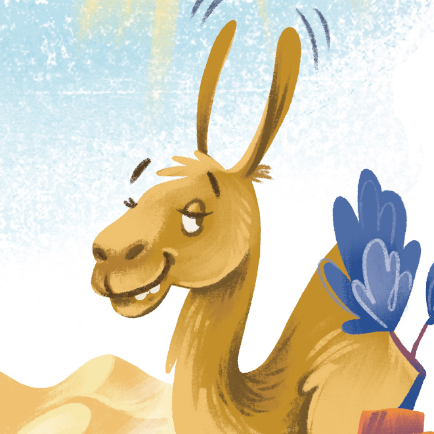
‘Jupiter and the Camel’ is another story with a moral! The animal has a hump, big feet for crossing sand and long ears, but he wants horns as well. Unfortunately, Jupiter, king of the Greek gods, doesn’t like his attitude! Big thanks to Lenka Knoetze, who brings a light-hearted vibe to the story with her art…


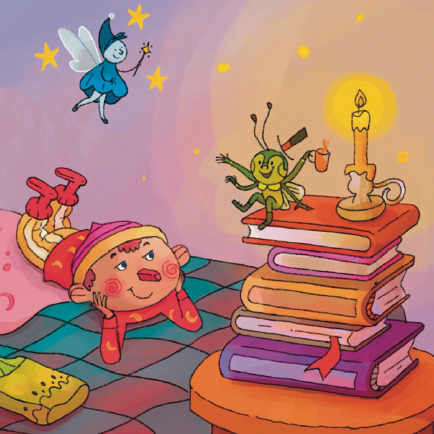
What does loving someone mean? For Tom Thumb in our bedtime story, it means accepting their quirks and caring about them just the same! His godmother in ‘Forgetful Fairy’ can be absent-minded, and her magic can cause problems, but her godson is on hand to help her. The gentle spirit of this story is perfectly complemented by Ngoc Bich Nguyen’s elegant pictures.


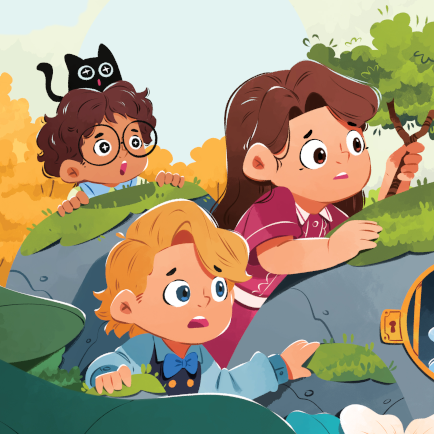
We all love animals… but is it right to keep them locked up? That’s the question asked in this month’s Worlds of Wonder story, ‘Midnight Zoo Breakout’. When Zara and her brothers discover that her father has a ‘collection’ of enchanted beings, they decide to set them free. Andi Andriansyah depicts the hi-jinks that follow in her illustrations, and you’ll love her designs for the magical creatures!


To round out the magazine, we’ve got a classic tale of love and chivalry from the Middle Ages.The talented Iva Dukic depicts ‘Tristan and Isolde’, a knight and a princess who are in love with each other but kept apart by honour and duty. Will they choose to be together in the end? You’ll have to read the story to find out!


What is your favourite thing about spring? Ours is sharing stories with you all.
Enjoy the latest issue, fellow story-lovers!

Why We Must Go All In on Stories


Why We Must Go All In on Stories

Reflections from the National Literacy Trust Conference

The world isn’t the kindest place right now, and that’s why moments that give us hope matter more than ever.

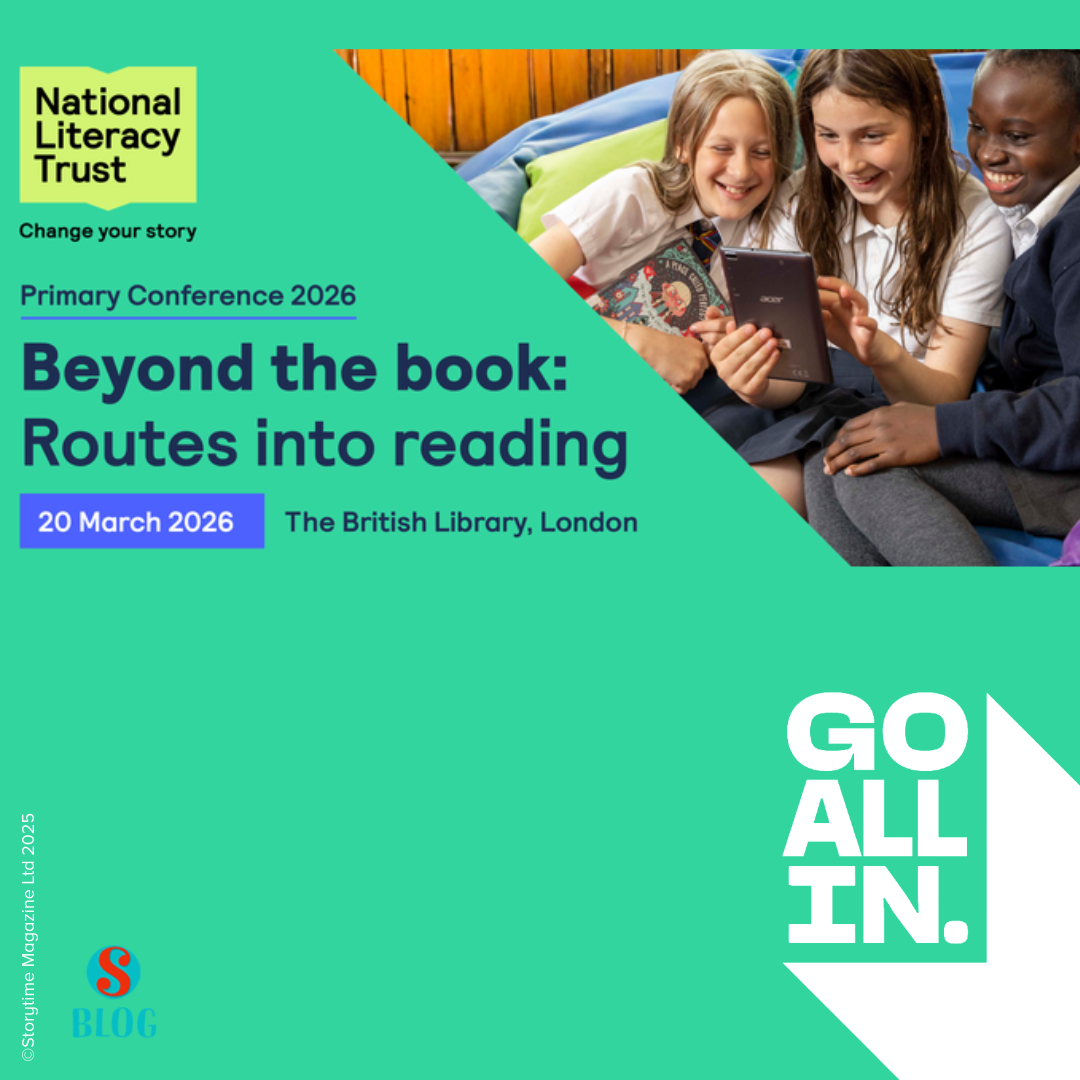
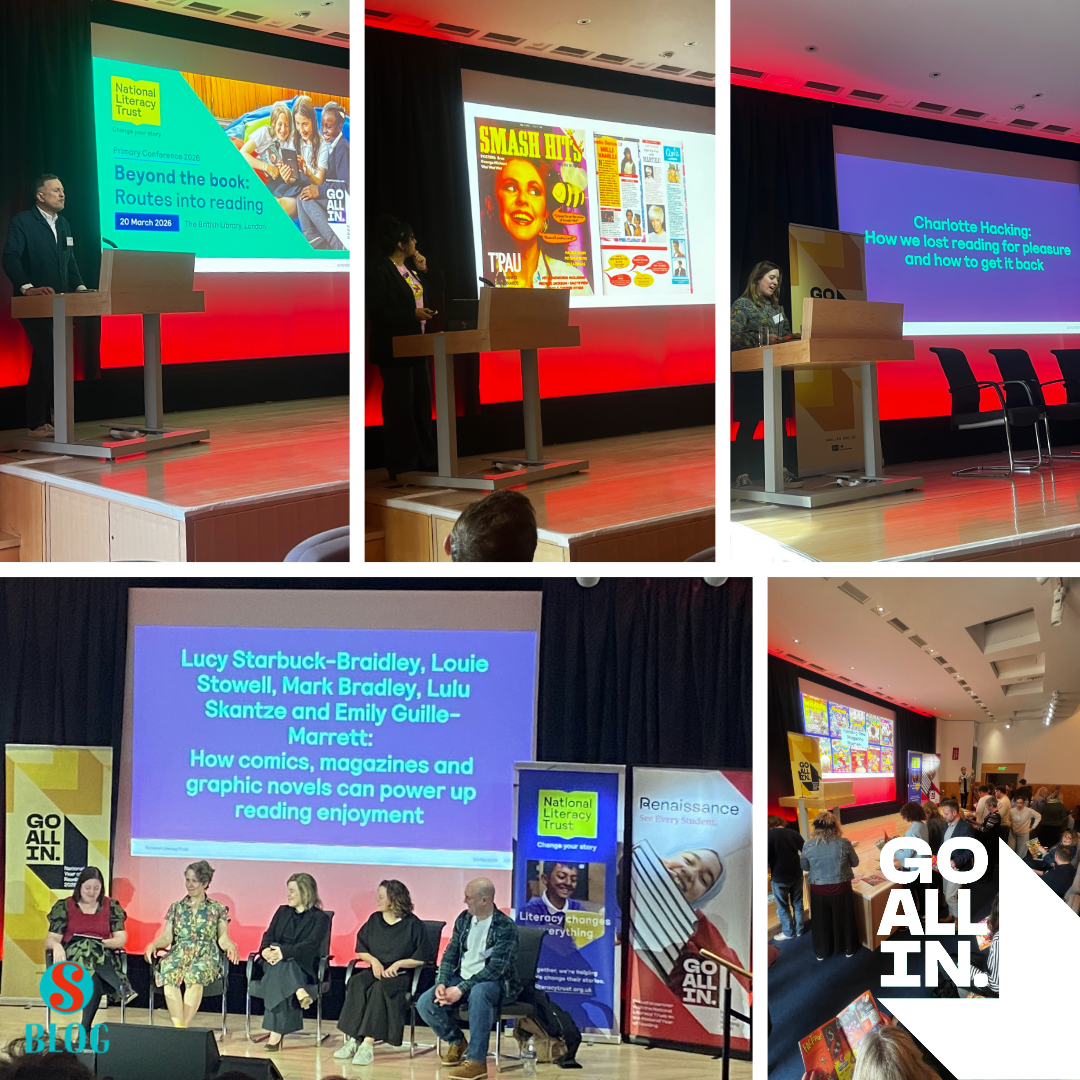
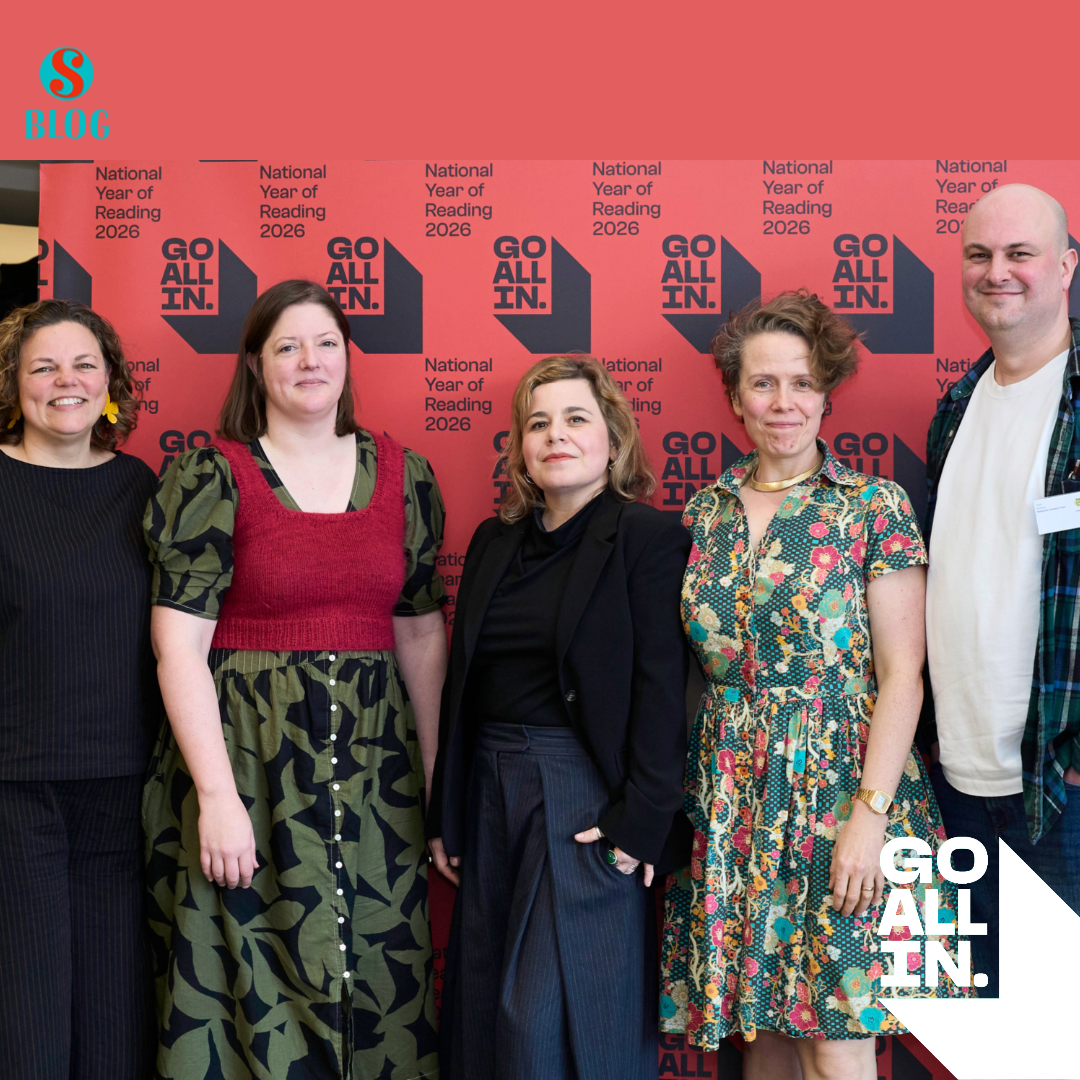
Last month, the Storytime editorial team – along with our Creative Director, Lulu Skantze – attended the National Literacy Trust conference at the British Library. It was one of those special events that reminds us about why the work we do matters.

To see the care and commitment of teachers and librarians and hear authors speak so passionately about the power of stories was a powerful reminder that there is so much positive work being done in the field of in literacy (and out in the world, too).


A Broader View of Reading

Led by Martin Galway and hosted at the amazing team at British Library, the conference offered a rich, inclusive view of reading today.

The theme was ‘Beyond the Book: Routes into Reading’, and it was a full day of workshops and keynote lectures with really inspiring people! Some of the key ideas explored were:

  • The importance of not narrowing down what ‘counts’ as reading
  • The role of oracy in literacy development
  • The need to reflect real reading behaviours in how we teach and publish

Speakers like Charlotte Hacking and Geoff Barton emphasised something that we in the publishing world believe: reading can take many forms, and there is no ‘one true way’ to read.


Why Magazines Matter in Reading for Pleasure

To our great surprise and excitement, the conference had a focus on magazines and comics. Speakers talked about how they are embraced by many young readers who find traditional books a bit intimidating.

So, if kids love magazines, how do we bring them back into the heart of reading culture?

We cover this theme often in our blogs! To bring everyone up to date, here some reasons why magazines have an important role to play in developing reading habits:

  • Accessible entry points: Short, engaging content builds confidence
  • Ongoing engagement: Regular issues create continuity and anticipation
  • Inclusive formats: Something for every reader, at every level
  • Shared experiences: Ideal for classrooms with mixed abilities
  • Multimodal reading: Combining text, visuals, audio and interaction

These elements are central to how we create Storytime. As the UK’s only multimodal magazine, we want to make sure that stories are not limited to one format so children can read, listen, play and explore in ways that suit them.

Reading without prejudice is how literacy thrives. Are you with us on that?


The Power of Visual and Multimodal Storytelling

During the panel on the role of visual stories in reading with Lucy Starbuck Braidley, Louie Stowell, Emily Guille-Marrett and Mark Bradley and Lulu Skantze, we all agreed that we are shaped by what we read as children.

And yet, as children grow, their reading experiences often narrow and move away from visual storytelling towards text-only formats. But it shouldn’t!

As Mark Bradley, the author of the Bumble and Snug series, put it:

“How does one live without pictures?”

Here’s the thing: images play a huge part in comprehension and imagination. They make reading fun and have their own language – and that’s no bad thing! Removing pictures too early can limit engagement. A healthy reading ecosystem should include everything from picture books to comics and graphic novels, magazines, audio storytelling and interactive activities.


Reading Beyond the Page

Reading today is not, and should not be, confined to one format. To make reading enjoyable for children, we should allow them to have agency and experiment with stories.

All multimodal formats contribute to reading for pleasure, and all reading counts. Children already engage with stories in this way, so it’s up to us to meet them there.

As Michael Rosen said:

“Reading is generous and full of surprises. You never quite know where it will take you.”

At Storytime, we believe reading can take children anywhere. And we shall continue to give them many pathways to follow on their journeys!

Storytime Issue 139 Out Now!

Storytime Issue 139 – Just Add Colour!


Here at Storytime, we do our best to fill every issue of our magazine with magic and enchantment. Inside the covers, readers will find fantastic fairy tales, thrilling myths and legends, amazing true-life stories and so much more.

This month, we’d like to pay tribute to the amazing creatives that add their own unique enchantment to our stories: our wonderful artists and storytellers!


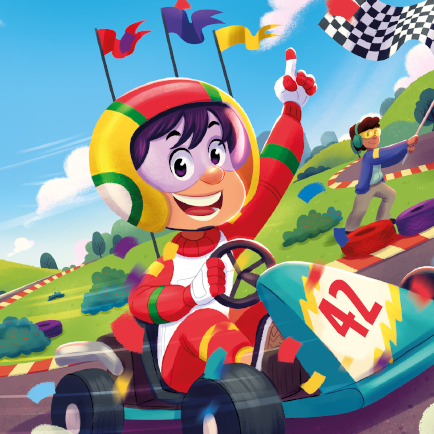
When you open the special envelope this month, you’ll immediately notice the cover art by Carlitos Pinheiro. You will sure be able to hear the roar of the engine and the wind rushing past! Carlitos also illustrated the story ‘Race Mode: Activated!’, a real-life tale about the childhood of Formula One racing legend Ayrton Senna. He is a national hero in his home country of Brazil – and that’s where Carlitos comes from. His passion for the subject matter really brings the story to life.


There’s a different kind of magic in ‘Beatbox Kingdom’. When Princess Elena’s kingdom is enveloped in darkness, she goes on a quest to bring back light and music. Patrycja Fabicka brings something special to the tale, adding atmosphere and detail to a world based in imagination. She captured each character’s personality before starting sketching and even created the festival mood on the page… Dance on to this tale if you dare!


When illustrating ‘Uncle Cricket’s Bedtime Story’, Élia Meraki faced a special challenge. The story stars a character from the classic story of Pinocchio – and the wooden puppet’s little kids, Oakley, Twig and Maple. The tale of Pinocchio has been depicted by innumerable artists and directors, and Élia did a fantastic job of creating these characters, an giving them their own personality while obviously taking after their dad!


Matheus Rodrigues provided the amazing illustrations for ‘The Burning Forest’, a tale about two tribes who are brought into conflict by a wicked wizard in the Amazon rainforest. We wanted the artist to capture the spirit of the environment and its inhabitants authentically, and accomplished this in style. Introducing young readers to myths and legends is a great responsibility – and when done well, they might go on to read many more. We certainly love a challenge and Matheus helped us do it well, don’t you think?


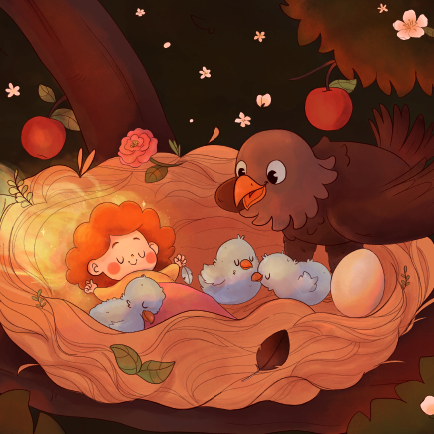
Illustrating a fairy tale can be a challenge, as one needs to capture a special magical and dreamlike atmosphere. For the tale of ‘Wildrose’, Rossella Galdi accomplished this by rendering the characters in a soft and charming way and infusing her art with gorgeous dusty pink tones that match the feel of the story and the colours of the heroine, who was born from a rose flower. The illustrations really are magical!


The new STEM Time section has been very popular with readers, as it combines storytelling with fun information about science, maths and engineering. However, providing appropriate art for these tales can be challenging. Should artists go ‘realistic’, or lean into storytelling whimsy? Fortunately, Sabina Schürmann gave us the best of both worlds with her illustrations for ‘The Biggest Puzzle of All’. It’s a story about a young boy who notices that the continents of the earth look as if they could join up like puzzle pieces and comes up with the intriguing idea of ‘continental drift’. Sabina’s art combines charm and clarity in equal measure.


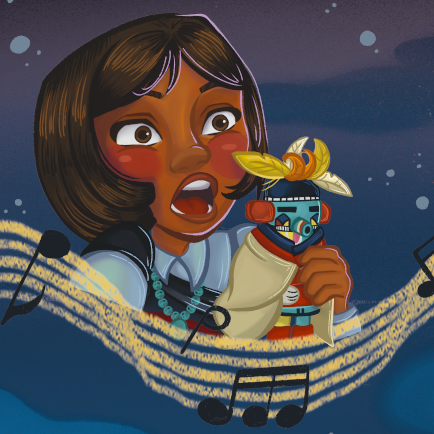
This month’s Around the World Tale comes from the Native American Pueblo culture of the American Southwest. Mariyah Richey researched the costumes and architecture to make sure it was authentic in the art for ‘The Doll Who Brought the Spring’. The doll in question is called a ‘kachina’, and these figures have special significance in Pueblo culture. Mariyah really went the extra mile to get the art right, and it shows!


One of the most difficult things to do well is comedy – but Rob Sherwin delivered amazingly funny art for the fable of ‘The Green Imp’. This hilarious tale is about a farmer who gets a troublesome little fellow to do his chores for him… but the imp will cause destruction if he doesn’t have enough to do. The characters are rendered wonderfully and are full of character, and they make the story even funnier. We’re sure you’ll love it!


Which art in this issue is your favourite? Does it look like you imagined it, or did it surprise you? Tell us about it and look out for more amazing art next month!

Storytime Issue 138 Out Now!

Storytime Issue 138 – Unlock New Experiences!


Let’s face it, it’s boring to do the same thing over and over! Variety is the spice of life, and that’s why we do our best to bring you something fresh and new with each issue of Storytime!

That’s certainly true in the case of the latest magazine, which is about seeking out novel experiences that can change our lives for the better…


Our spectacular cover star is ‘The Blue Parrot’… or is he? You’ll find out when you read this wonderful story about a king who undergoes a magical transformation and discovers what life is like as a bird. Abel KR is the artist who rendered the vivid illustrations…


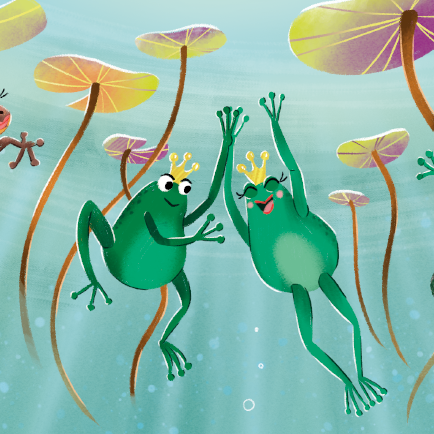
We contacted Ari Gonzales to illustrate the charming bedtime story ‘Pond Life’. It features the princess from the classic tale ‘The Princess and the Frog’. When her beloved boyfriend misses his froggy life in the pond, she agrees to transform into an amphibian and go on an underwater holiday with him. Would you like to spend the summer in a nice cool pond too?


Things get a bit spooky with ‘The Ghost Ship’, a story about a legendary vessel that is rumoured to haunt the wild seas off Chile in South America. Gaspar and Sofia are shipwrecked in a storm… but are rescued by a ghostly galleon. What will they find when they step aboard? Guille Rancel brings the perfect atmosphere to this story about siblings who take a trip into the spirit world…


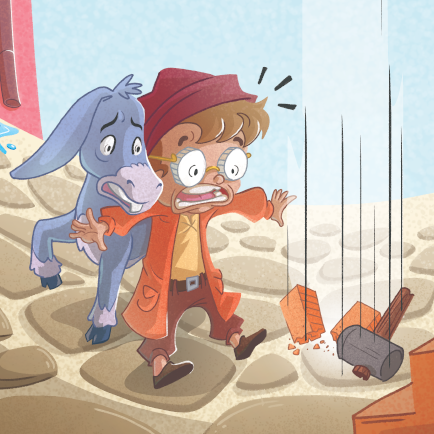
Sometimes, discoveries can be life-changing! That’s what happens to young Galileo when he sees objects fall from a ladder. His grumpy tutor insists that heavy objects fall faster than lighter ones, but Galileo and his donkey friend Pippo decide to try an experiment to test this. ‘Gravity Game’ is a fun-filled tale of mischief and discovery, and it’s backed up by pages that introduce the concept of gravity without getting too ‘heavy’ (if you’ll pardon the pun!) Michelangelo Stassi was the ideal illustrator to bring Renaissance Italy to life for this story.


Sometimes, stories themselves can be life-changing – and that’s certainly the case for the main character in ‘Jenny’s Tale’. When she is given some books by a friend of the family, she is thrilled and inspired to start writing her own stories! As you might have guessed, this tale is based on the life of the young Jane Austen, one of the most acclaimed authors in the English language! Anna Rizzi’s art is a treat for the eyes – it flow and dances across the pages in a unique way!


Going on a journey can be a brilliant and transformational experience, though the young gnomes in ‘The Gully of Stench’ certainly could have picked a better-smelling destination. Will Bugleberry, Niblet and find what’s causing that awful smell? A special thank-you to illustrator Maria Bu, whose art has the perfect mix of atmosphere and whimsy!


Sometimes we think we’ve changed… but then find out that we haven’t! That’s the theme of ‘The Wolf’s Shadow’, which is illustrated by the talented Felipe Calv. When the main character notices that his shadow is growing bigger and longer, he believes that he is getting bigger too and thinks that he can take on a lion! By the end, he learns something about himself… which can be a new and positive experience in its own way.


Finally, we have a creation myth all the way from Central America. ‘The Three Peoples’ is a tale about the creation of the world and how the gods of the Mayans made people or mud, wood and corn. Stories of this kind can make us think about where we come from and what it means to be human! Junis Laureano complements the tale perfectly with appropriately legendary art. We’re sure you will love it!


Can you think of a particular story which gave you new perspectives and opened you up to new experiences? Tell us about it! And until the next adventure, readers!

How Storytime Opens Doors For Readers

The UK’s Only Multimodal Kids Magazine

People often ask us, “Why is Storytime multimodal? Why not stick to the print version of the magazine instead of offering digital and audio versions too?”

The answer is, we provide stories for readers in the formats they want! We’ve always known children are incredibly curious, and a one-size-fits-all reading solution doesn’t work for them.


What Does Multimodal Actually Mean?

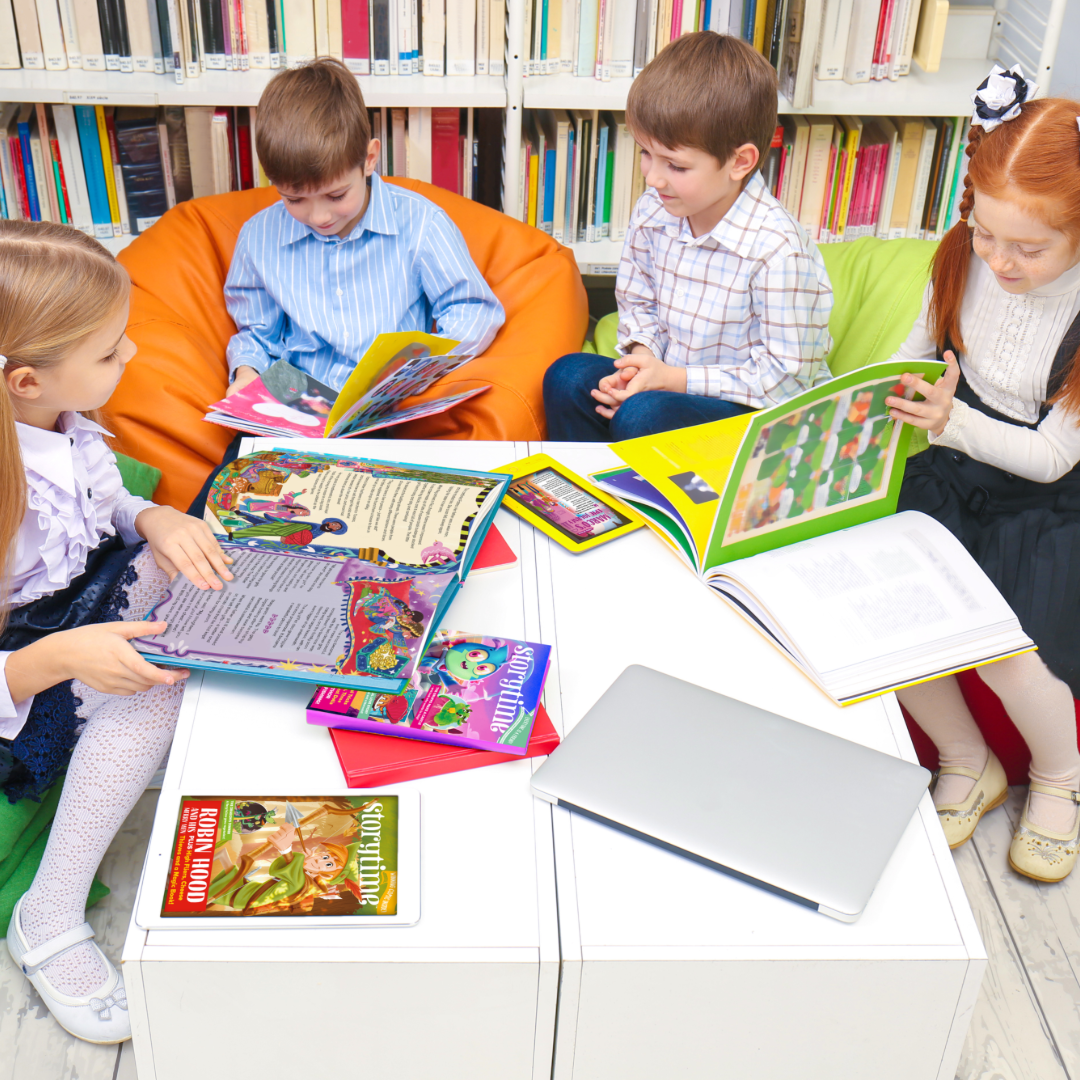
When we say Storytime is multimodal, we mean that every story can be accessed in multiple ways: you can read it in the beautiful print magazine, listen to it as an audio story, follow along with text and audio together, or interact with it through downloadable activities and creative puzzles. One story, many entry points!

This isn’t about following trends. It’s about removing barriers and opening doors so every child can find their own way into our stories.


Why This Matters in Real Classrooms

Teachers tell us: “I’ve got reluctant readers who won’t pick up a book. I’ve got EAL learners building confidence. I’ve got children who read brilliantly but won’t read for pleasure. I’ve got mixed abilities in one classroom and limited time.” Sound familiar?

The National Literacy Trust’s research has made it clear: children who engage with stories across multiple formats are more motivated, more confident and significantly more likely to read for pleasure. And isn’t that what we’re all trying to encourage?


How Children Actually Use Our Content

Here’s what we see happening:

Some children grab the magazine the moment it arrives and read it from cover to cover. Done! They’re natural print readers and always will be. Others will feel excited and curious. A delivery? For me? The colourful printed envelope coming through the door with their name on it gives a feeling of ownership, and the consistency of a regular delivery month on month is a great way to build a lifelong reading habit. That’s how we create new print readers!

Other children need the audio first. They listen, they build confidence, they get familiar with a story’s rhythm and vocabulary… and then they pick up the magazine to read along. Suddenly, reading feels achievable.

Some want both at once, following the text while the audio plays. This is brilliant for building fluency and comprehension! If a word feels tricky, you can listen to it and match the sounds with the spelling. It’s a big help for EAL and SEN students!

And then, there are the children who need to play with a story before they’re ready to engage with the text. They colour in the characters, tackle the crossword, make something with their hands – and through that creative play, they actually build comprehension and connection to the narrative.


It’s Not Either/Or – It’s All of It!

This is the part that matters most: we’re not asking children to choose one format over another. We’re not saying ‘audio is better than print’ or ‘digital beats tactile’.

What we’re saying is: ‘Here are brilliant stories. Here are all the ways you can access them. Find out what works best for you!’

Because sometimes the same child wants different things on different days! Monday might be a ‘read the magazine’ day. Wednesday might be a ‘listen while drawing’ day. Saturday might be a ‘download the activities and make something’ day.
That’s the magic of choice.


What Schools Are Seeing

After a year of receiving Storytime, schools report:

  • An 86% increase in reading time
  • An 81% increase in reading for pleasure
  • More independent reading choices
  • More rereading and peer recommendation (‘Have you read this one yet?’)
  • Better comprehension and engagement across the board

These aren’t small shifts. These are genuine changes in reading culture and behaviour, and it’s because children are finally able to access stories in ways that work for them.


The Bigger Picture

We started Storytime over a decade ago because we believe that children deserved original, high-quality stories made for them with craft and care. But creating quality content is only half the challenge. If children can’t access it or won’t engage with it, what’s the point?

Multimodal reading is about equity and inclusion. It’s about meeting children where they are and giving them the tools they need to fall in love with stories. We don’t want Storytime to be gimmicky, we just want it to be great! At the end of the day, we don’t care how a child engages with a story. We just care that they do!


One Resource, Many Ways In

Every month, we deliver eight brand-new stories and plenty of extra content, with diverse voices, gorgeous illustrations and fun activities. Available in print, audio, online, and interactive formats.
Everything is possible!

We hope your children (and students!) love exploring stories in all the ways Storytime offers. If you’ve seen the magic of multimodal reading happening in your home or classroom, we’d love to hear about it Share your stories with us on social media, we genuinely love hearing about how children are connecting with reading!


Keep reading (and listening, and playing!)

Storytime Issue 137 Out Now!

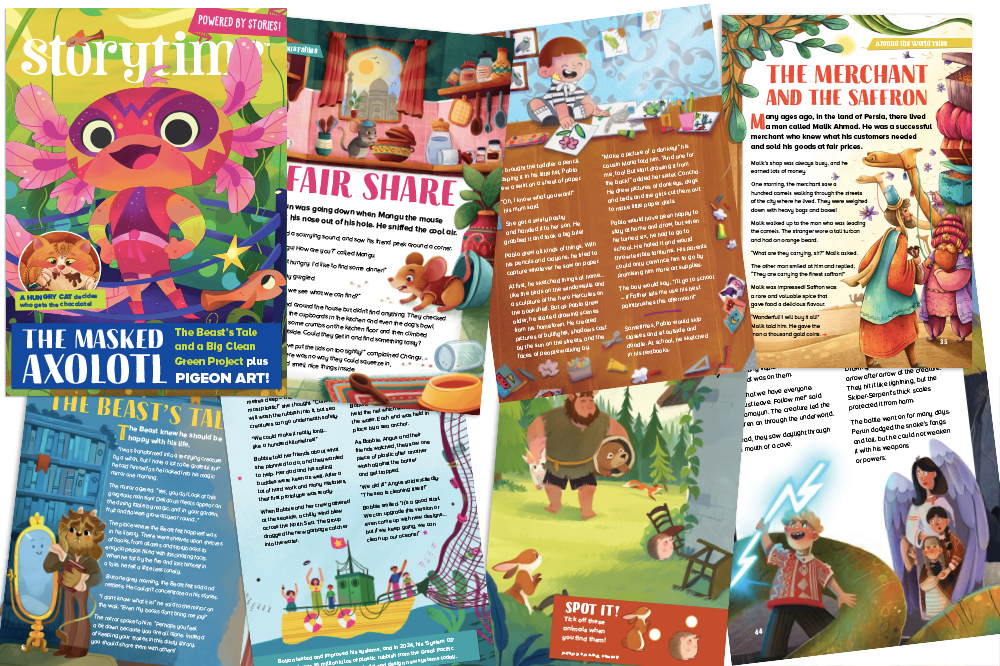
Storytime Issue 137 – The Places We Might Go


This month we’ll go to places you might never have heard of – that’s the magic of reading! It lets us travel anywhere, meet anyone, and dream bigger than we ever thought possible.


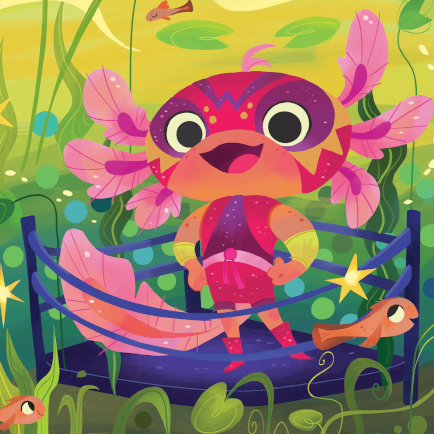
We start our journey in Lake Xochimilco in Mexico, where wonderful creatures called axolotls dwell. You might not have seen an axolotl before – they’re unique creatures that only live in that one lake! In ‘The Masked Axolotl’, little Pepe dreams of being a luchador (or Mexican wrestler). But maybe it’s not just a dream! We went all the way to Mexico and recruited Gaby Zermeno to make illustrations that are as colourful and authentic as possible.


From there, we’ll take you to the Middle East for a tale of friendship, trust, and delicious spices! When a merchant loses everything, his friend helps him get back on his feet. ‘The Merchant and the Saffron’ features art with countless colours, layers, and details, courtesy of Persian artist Sara Nikforouz. It’s absolutely gorgeous!


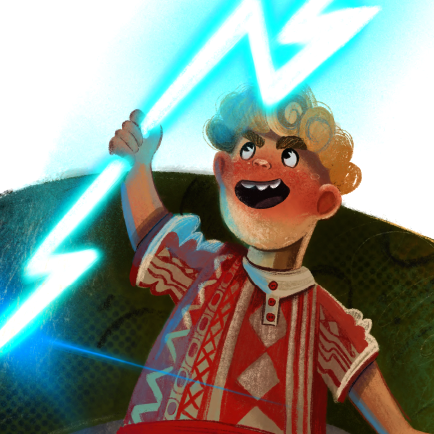
Then, we travel to Slavic lands, where a boy with mighty powers helps his sisters escape from a snake’s lair. ‘The Thunder Child’ also explains how the Carpathian mountains were created! Readers will be enchanted by the patterns and lovely details Anastasia Tikhomirova brings to this magical world.


But wait, there’s more! We invite you to join a travelling troupe of sorts… with a unicorn, a wild boar and a dancing giant. The Scandinavian fairy tale of ‘Sponsken and the Giant’ features art by Yingzhu Xue. Looking through its pages feels like taking a walk in a Nordic forest!


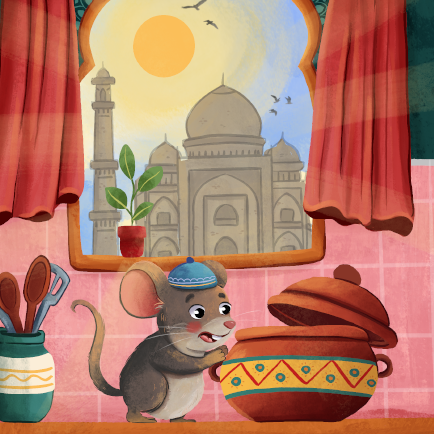
We also share chocolate with mice and a cat in India! What delightful colours Paola Perez Retana brought us in the illustrations for ‘A Fair Share’! It’s like going on an exotic holiday in your imagination. Can you imagine two mice running around in India? We certainly can!


This month’s STEM Time story tackles ocean pollution, and artist Dayane Bonfim helped us tell this tale inspired by a real-life solution. Eco-warriors everywhere, you know how important this is! We’ve packed ‘The Big Cleanup’ with stats, facts, ideas… and lots of lovely colours, too!


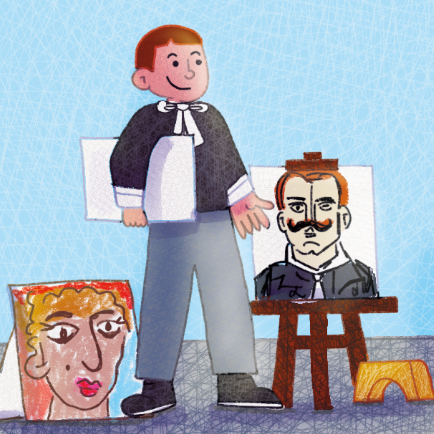
Next, we hope to inspire you to DRAW! Drawing for fun is a brilliant way to get creative. We’re inviting you to enter the wild world of Pablo Picasso’s world in our real-life tale, ‘Pigeons and a Pencil’. The illustrations are from the wonderful Andrea Noca, who mixes Picasso’s images with her own unique style!


What better way to end than by sneaking into the Beast’s library for a cosy bedtime story? Lyna Tykwa’s art captures it beautifully! ‘The Beast’s Tale’ is perfect for settling down after all our adventures, and perhaps dreaming of more places we can go next month!


Truth be told, each tale in this issue takes you to a wonderful place. That’s Storytime’s invitation: come and fly with us! Be the kings and queens of your dreams, little ones! We have many more tales coming, and this is just the start of a year full of stories!

Where will you travel first? Let us know which story took you on the best adventure. We’d love to hear about it on social media!

Keep reading (and dreaming!), fellow story lovers!


Guest Blog: Kelly Ashley

‘Three Chords and the Truth’

What Country Music Taught Me About Reading for Pleasure


By Kelly Ashley, Lecturer in RfP for The Open University

Growing up in the southern USA, I was raised on country music as ‘three chords and the truth.’ Simple, heartfelt and real — this is what gives this particular genre of music its power. Those simple songs about small towns, big dreams and hope taught me something: it’s not complexity that moves people, but connection.

And that’s true of reading, too. The most powerful reading experiences aren’t about test scores or targets — they’re about feeling something. At its heart, building a culture of RfP in schools is about stringing these emotional chords together to build lifelong readers through connection, choice and community.


Chord 1: Connection — Feel it to believe it

A good country song makes you feel — joy, laughter, heartbreak, belonging. Reading works the same way. Children and young people become readers when texts reach them on a personal level.

Recent research from The Open University (Cremin et al., 2026) highlights the importance of emotional connection and agency in sustaining children’s motivation to read. When reading is positioned as relational — rooted in joy, curiosity and choice — young people are more likely to read voluntarily, talk about their experiences and identify as readers within and beyond school. National and international surveys continue to show a worrying decline in children’s reading enjoyment, but research reminds us that change begins locally — in classrooms that prioritise connection, autonomy and community.

So how do we turn this picture around? We can start by helping children find books that speak to their lives — stories that mirror who they are or open windows to new worlds. We can share our own adult reading lives, too. When adults talk about what they’re reading or share a favourite childhood book, young people see that reading isn’t a task; it’s part of who we are.

Just like a songwriter sharing truth from the heart, it’s authenticity that strikes the chord and sparks that first flicker of reading interest.


Chord 2: Choice — Let readers find their rhythm

Every great song has its own unique rhythm, and every reader needs to find theirs, too. Giving children the freedom to choose what to read, where to read and who to read with can strike a lasting chord. Choice fuels motivation, ownership and joy.

Whether it’s a comic, magazine, fantasy novel, sporting biography or a recipe book — it all counts. The theme of the National Year of Reading 2026, ‘If you’re into it, read into it: go all in,’ captures this perfectly.

When readers see their interests reflected and respected, they develop confidence and positive self-assurance. For adults, it’s not about controlling the playlist, but expanding it. Our role is to introduce new tracks and titles that keep them turning the page.


Chord 3: Community — Reading as a shared experience

Country music thrives on community — the feeling that everyone’s part of the story. Reading for pleasure flourishes in the same way.

When classrooms hum with book chat, adults and children read aloud regularly and environments celebrate readers’ choices, reading becomes social, visible and valued.

Truly social and interactive reading environments give a school’s reading culture its rhythm. They help children see that reading isn’t just a solitary act; it’s something that connects us.

When pupils talk about their reading experiences — what made them laugh, what surprised them or why they loved a particular fact — they’re doing more than swapping opinions. They’re practising empathy, curiosity and communication. That’s the heartbeat of a reading community.


The truth of it

So, what did country music teach me about reading for pleasure? That the best stories — whether sung or read — tell the truth. They help us see ourselves and others more clearly. They stick because they make us feel.

Creating reading-rich classrooms doesn’t need to be complicated. It’s about tuning those three powerful chords: connection, choice and community — and playing with honesty and heart. As Cremin and colleagues (2014, 2026) argue, authentic reading cultures grow from the inside out — when teachers know their readers, share their own reading lives and build strong, connected communities.

When schools make time for RfP, celebrate all forms of reading and give children and young people ownership within the environment, something magical happens. The atmosphere changes. Reading starts to sing.

Whether it’s ‘three chords and the truth’ or three chords and the joy, what really matters is that we make reading feel real for everyone. When classrooms hum with connection, choice and community, reading isn’t just something we do — it’s who we are.


References

Cremin, T., Mottram, M., Collins, F.M., Powell, S. and Safford, K. (2014) Building Communities of Engaged Readers: Reading for Pleasure. London: Routledge.

Cremin, T., Hendry, H., Chamberlain, L. and Hulston, S.J. (2026) Reading and Writing for Pleasure: An Evidence-Informed Framework for Practice. London: Routledge.


About the author

Kelly Ashley is a literacy educator, researcher and lecturer in RfP for The Open University. She works with primary and secondary schools across the UK and abroad to strengthen reading for pleasure knowledge and practice. Find out more about the work of the OU RfP team at https://ourfp.org.

Storytime Issue 136 Out Now!

Storytime Issue 136 – New Year, New Insights!


It’s the New Year – a time for fresh starts and new perspectives. It’s only appropriate, then, that the first issue of Storytime for 2026 is full of stories about transformations and seeing things in new ways!


The first thing you’ll notice when you tear open the envelope holding the magazine is the wonderful, vibrant cover by Daaria Denysova. It portrays the title character from this month’s fairy tale, ‘The Unicorn’. It’s about a boy that goes in search of magical water that can turn anything into gold… but the thing that really changes the story’s hero are the lessons he learns along the way. That’s the message we should take away from this tale: learning things and facing challenges can make us better people.


Our next story features gorgeous art by Naafi Nur Rohma. The tale is about a walrus who goes on an ‘Iceberg Adventure’ to new places after drifting away from her herd. It’s a scary experience, but she has new experiences and makes new friends along the way. The lesson we can take from this story is that new experiences can broaden our horizons.


‘The Secret Life of Mould’ is about finding scientific discoveries in unexpected places! Gustavo Neres provided the art for this tale about a boy who loves growing mould and other organisms. But why does one mould seem to stop bacteria from spreading? This STEM-oriented story is inspired by the true tale of Alexander Fleming and his discovery of penicillin!


Winter is a dark and chilly time of year, and little Sienna doesn’t like it much! In ‘The Magic of Winter’, she complains about it to her sister – but doesn’t realise who else is listening. Jack Frost decides to change her mind about the season with a little wintry ice art! What can we learn from this? Sometimes we can be more positive by looking at a situation from a new point of view! Luana Chinaglia adds to the magic with her beautiful artwork.


The fable of the ‘The Donkey and the Lapdog’ has a lesson to teach about how we are all different… and it’s OK to accept that! Assia Ierina rendered the title characters in a funny and loveable way that really brings them to life.


Philosophy challenges us to look at the world in new ways, and ‘The Wonder of Not Knowing’ is about learning how to think like a philosopher. When a boy called Plato goes to a wrestling school, he meets an old man called Socrates who is very good at asking questions! We hope that by reading this story, you will find out how powerful and useful questions can be! A big thank you to João Francisco, who brings ancient Greece to life with his illustrations…


‘The Dancing Dragons’ is a Chinese tale about the magical creatures that are responsible for the Northern Lights that shimmer in polar regions. When you read this story, think about the many wonders of nature, and appreciate their beauty. The artist responsible for the images on these pages is the magnificently named Flipsie Flopsie!


The final tale in this issue is an epic adventure story from India. ‘The Pandava Brothers’ are five brave heroes who lose their kingdom to conniving cousins. They are banished to the wilderness before returning to reclaim what is theirs. Polina Alekseenko created the vibrant and exciting illustrations to this story, which teaches us how important it is for family members to support each other through thick and thin.


We hope that you find these stories as inspirational as we did. We wish you the very best for 2026 – may it be filled with excitement, adventure and new experiences!


School Libraries Are So Important – 5 Reasons Why!

5 Reasons Why School Libraries Are Hugely Important


School libraries are truly special places. If you were lucky enough to spend time in one, you might still remember the excitement of discovering a new story on the shelves. Our first favourite book probably came from there! But the importance of school libraries goes far beyond childhood nostalgia. They are hubs of curiosity, creativity, and community, a place where all school children can go to unwind and let their imaginations run wild!  With the recent announcement that every UK primary school will now have a library, their vital role has finally been put in the spotlight (and not a day too soon, if you if ask us!)

Here are five reasons why we support school libraries and why they matter so much for children:


1) They Build a Sense of Belonging!

A school library isn’t just a room full of books. It’s a safe, welcoming space where children from different year groups can connect and feel part of something bigger. Libraries give every child, no matter their background or ability, a place where they belong.


2) They Encourage Curiosity and Imagination!

The benefits of reading for children are endless! From boosting vocabulary to improving wellbeing, the list is long but to get everyone reading we need to start with curiosity. School libraries create story displays, themed days and story events that show children that reading is fun, not just homework. Libraries full of amazing books nurture our children’s imaginations!


3) Librarians Are Heroes!

A passionate librarian (and a well-stocked library!) can transform how children feel about books. Over the past decade we’ve seen librarians bring reading to life in ways that it made us extra-proud to work with them. The results are clear: thanks to their work, borrowing rates are rising, and even reluctant readers are discovering the joy of stories!


4) They Offer Something for Every Reader!

Not every child will pick up a ‘big book’ – and that’s okay! Encouraging reading in schools means offering variety. Magazines, comics, puzzles, short reads and audio stories make the library playful and inclusive. Some children might come for the drawing activities or word games but stay for the stories. That’s what inclusive reading spaces look like!


5) They Support Teachers and Families, Too!

A thriving library benefits the whole school community. Teachers can link stories to lessons, and families can enjoy reading books and magazines that children are excited to bring home. School libraries create bridges between the classroom and family life, and that helps develop good reading habits. As we often say, it’s everyone’s job to make reading for fun into a life long habit – and school libraries have a key role to play.


How Storytime Supports School Libraries

We’ve always believed in the power of school libraries and we have been a firm favourite in school libraries across the world! That’s also why every issue of our magazine includes activities, downloads and of course the Story Club section. It was created by us to help schools run book clubs, reading circles and story sessions by providing fun ideas and activities.

To celebrate the brilliant, brilliant news that every UK primary school will receive funding to have a library, we’ve created a special discounted starter pack to help you get stocked up. With over 100 different editions available (all with digital and audio stories included if you need!), you can choose the right bundle to suit the size of your library.

Each issue is inclusive, fun, and written for a range of reading levels, so every child can find something for them inside. And whether it’s stories, puzzles, or activities, we promise they’ll make a great addition to your shelves.


The Last Word

Libraries, like stories, are for everyone. By making them playful, welcoming, and full of variety, we can inspire the next generation of readers and help every child fall in love with stories.

To find out more, contact us at hello@storytimemagazine.com">hello@storytimemagazine.com. Happy reading, everyone!