Author Archive

Spirits of the Sea

Spirits of the Sea


Myths and legends are some of our favourite stories of all time… and if the results of our reader surveys are to be believed, you agree with us! Stories about ancient heroes, gods, and spirits have a special way of stirring our souls and making us feel a sense of wonder. These stories often feature beings which represent natural forces.


For example, both the Greek god Zeus and the Norse god Thor wield the power of thunder and lightning, while the Sumerian goddess Inanna has dominion over love and fertility. It’s only natural that our ancestors would worship beings that represented powerful forces that were outside of their control. They could pray to these gods in the hope that they might be protected from various disasters. The sea can be both powerful and unpredictable, so myths and legends often feature gods and spirits of the sea.


Here are some stories about powerful oceanic beings that you have to read!

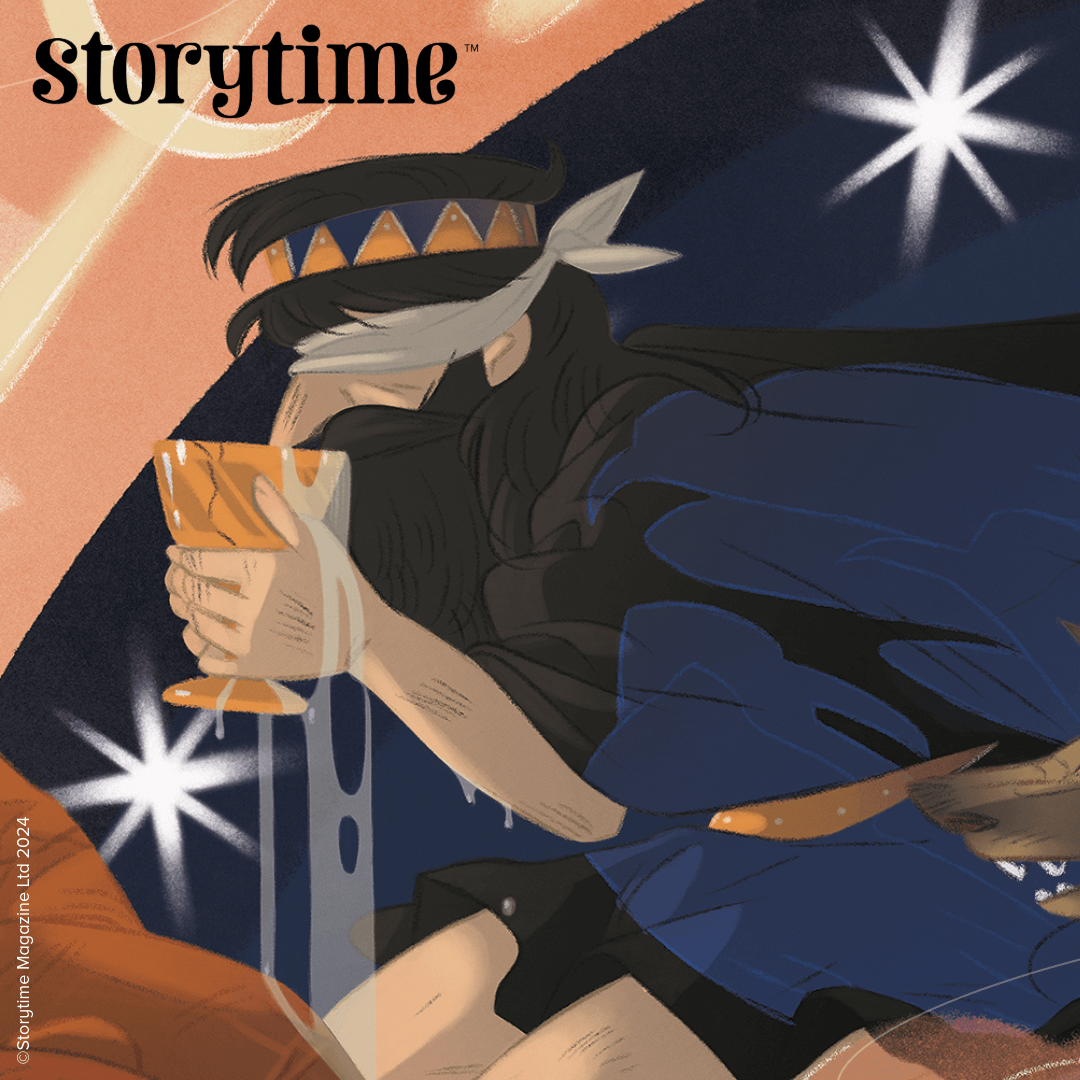
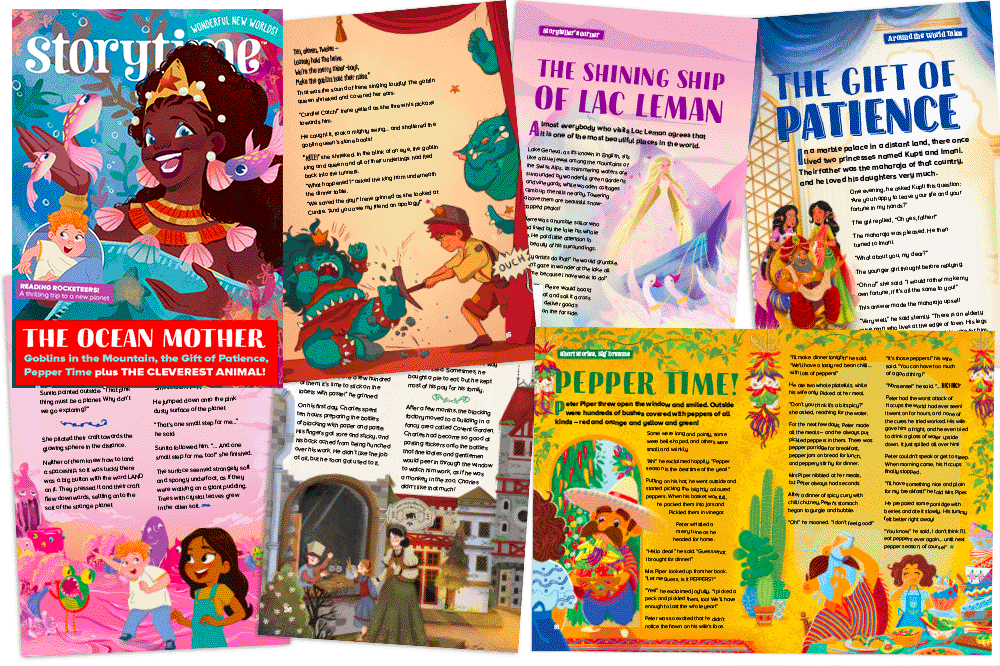
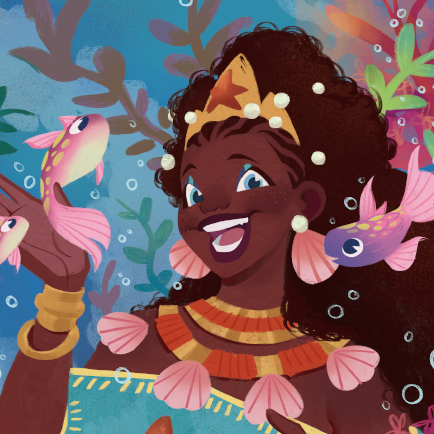
Yemaya (‘Yemaya the Ocean Mother,’ Storytime 120) The latest issue of Storytime features this ocean goddess as the cover star, and she tells the story of how she came to rule the sea inside. Yemaya is fascinating because she represents the kind and benevolent side of the ocean, providing fish aplenty to feed her worshippers. Her brother Olokun, on the other hand, dwells in the deep and represents the dark and destructive side of the sea. The story is about the two confronting each other, with the fate of humanity in the balance.


Poseidon (‘The Contest of the Gods’, Storytime 93) Poseidon is the Greek god of the sea, but despite his great power, he doesn’t play an important role in many legends. In this story, he takes part in a race against the goddess Athena to see who will become the patron god of the city of Athens. As you might guess from the city’s name, Poseidon loses and is not happy about it! The Athenians made a point of making offerings to Poseidon anyway, as they didn’t want sudden storms to wreck their ships.
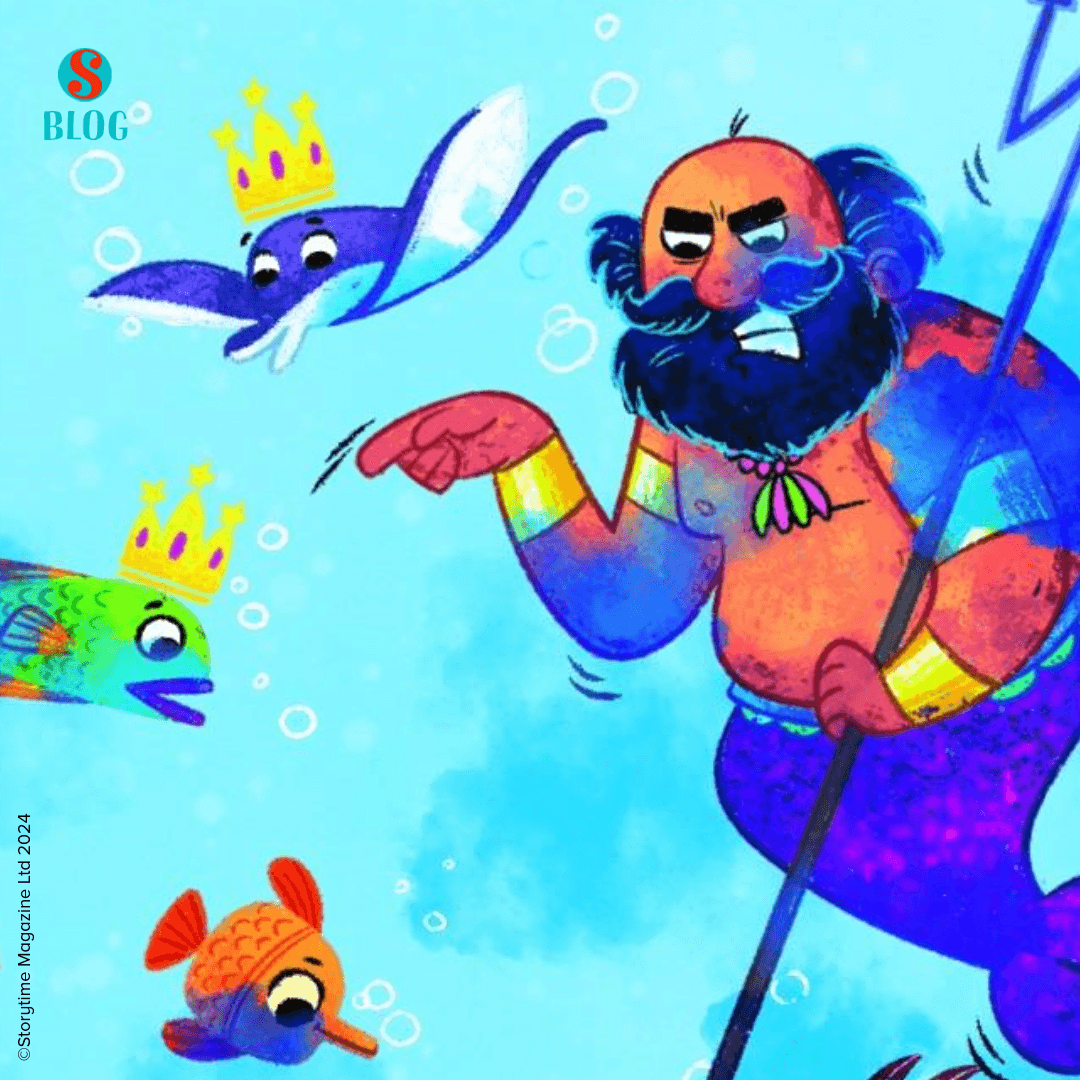
 

Spirits of the SeaBathala (‘The Cuttlefish and the Squid’, Storytime 118) The Tagalog people live on the islands of the Philippines, so the sea was very important to their lives. In their ancient religion, Bathala, the ocean god, was the supreme god and the creator of the universe. In this story, he is giving jobs and honours to his underwater subjects when two mischievous creatures decide to play a prank. This story portrays him as generous but easily upset!


The Sea Witch (‘The Girl Who Knew No Fear’, Storytime 94) The sea is dangerous and unpredictable… especially for ancient sailors who went to sea in flimsy wooden ships. It often seemed as if wicked beings tried to sink ships or drive them onto hidden reefs! One of these creatures appears in the story of “The Girl Who Knew No Fear”, but luckily the heroine drives the sea witch, who is trying to wreck a vessel, away!


Spirits of the SeaSedna (‘Sedna the Sea Goddess’, Storytime 53) The Inuit are another people whose lives depend on the sea! They live in Arctic regions of Canada and fish from kayaks made of animal hides. ‘Sedna the Sea Goddess’ tells the story of how a young woman gets tricked into marrying a raven-man but is turned into a powerful underwater being!


The Sea Lord (‘The Sea Lord’s Gift’, Storytime 83) In this Scandinavian folk tale, an elderly couple are given the gift of an amazing cow by the Sea Lord. But when they take the cow for granted and try to make their island bigger by putting rocks in the sea, he gets angry and punishes them! This story has a similar theme to many others – the sea can be generous but should always be respected.


Spirits of the seaThe Sea King (‘The Sea King’, Storytime 95) This tale is inspired by Māori legends! When a tribe kidnaps a woman and refuses when the god of the oceans asks them to return her, he declares war on them and his army of fish invades the land. This leads to an amazing battle… and when it is over, the tribe surrenders and bows to the Sea King!


We hope you enjoyed this introduction to the wonderful array of sea spirits that can be found in Storytime. Perhaps you would like to read them on the Storytime Hub or get back issues from the shop?


And there is one lesson that we can take from all of these stories this summer: though there aren’t really supernatural forces beneath the ocean, that’s no reason why you shouldn’t be careful when going swimming and enjoying all the sea has to offer. Be safe, respect the ocean, and take care of the environment!
Storytime Issue 120 Out Now!

Variety is the Spice of Life!

Variety is the Spice of Life!

We here at Storytime Towers have a very simple mission statement: every month, we will bring you new and exciting stories to thrill your imagination! We create stories of all types: long ones and short ones, myths and fairy tales, stories set in imaginary worlds and our own wonderful reality.


We want to make sure that each story is fresh and original, because variety truly is the spice of life. When it comes to giving each tale a unique flavour, our amazing artists add a unique ‘zing’ to every single one. This month, we’d like to pay tribute to these creative geniuses and look at the way they brought something fresh and flavourful to the stories in our latest issue.


Eleonora Turina is the artist who created the magazine’s amazing cover, and she also illustrated the legend of Yemaya the Ocean Mother. This is a vibrant story from Africa about the creation of the world and how Yemaya filled the sea with life. It’s only appropriate, then, that Eleonora would render the art on an epic scale and fill it with life and colour. This goddess is venerated in Africa, the Caribbean, and South America, so the artist drew on these places and their cultures for inspiration.


Variety is the Spice of Life!

Julián Ariza took a very different approach when creating the visuals for The Cleverest Animal, a fable about how destructive the cleverest animal can be. (Guess which creature you think it is!) His art is rendered in a sketchy style and a limited colour palette, and this helps to bring the story’s message across in an effective way. The use of inset panels on the final page is another eye-catching and effective artistic choice that conveys how the animals feel about what has happened to their forest home.


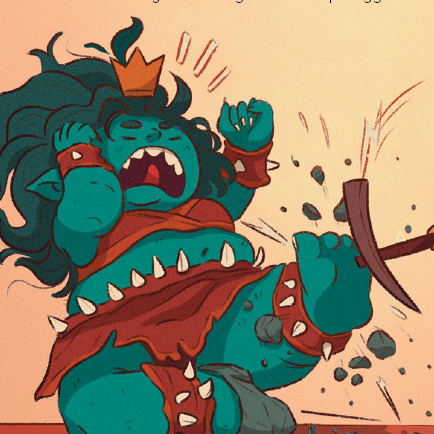
Goblins in the Mountain is an exciting adventure story that would make a great animated film, and Elina Clevergull has created art for it that would not be out of place in a classic Walt Disney or Hayao Miyazaki film! The heroes have likeable and expressive faces, the goblins are equal parts menacing and funny, and their underground city is wonderfully depicted as a strange and intriguing place!


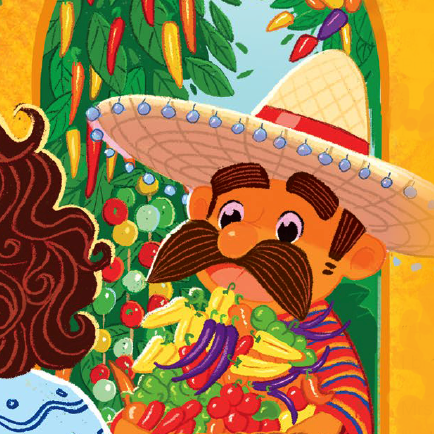
Annalisa Leoni was given the task of illustrating Pepper Time!, which is the tale about what happened to Peter Piper from the famous nursery rhyme after he picked a peck of pickled peppers! She embraced the colours and aesthetics of Mexico, a country renowned for its love of peppers, in her art. You’ll find the vibrant colours of red, orange, and yellow, as well as artistic flourishes borrowed from Mexican culture. Remember what we said about variety being the spice of life? Annalisa made this story extra-spicy, just for you!


Variety is the Spice of Life!

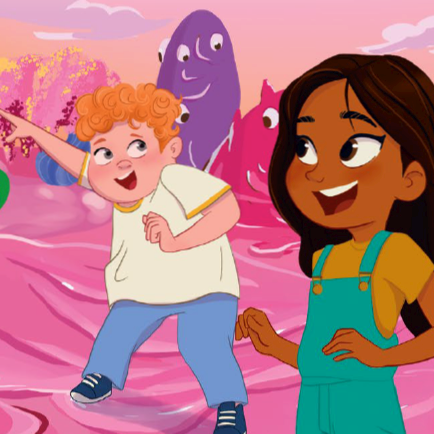
Reading Rocketeers! is a literally out-of-this-world science fiction story about two kids who are transported to another planet by the magic of reading! Renata Red understands fantasy well, so she depicted an alien planet with strange bright colours and googly-eyed alien creatures. When you look at her art, you too are transported to a world like nothing else you have ever seen – and that’s a special kind of magic!


Variety is the Spice of Life!

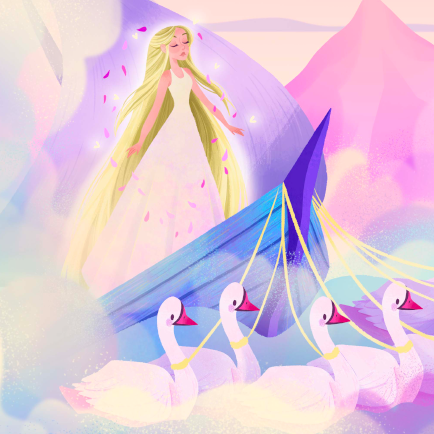
Silvia Brunetti was responsible for illustrating The Shining Ship of Lac Leman, a very different tale that takes place on a Swiss lake, and is also based on a character’s imagination. Silvia’s images give this story about a simple sailor’s encounter with a fairy vessel a misty, dreamlike, and melancholy feel that captures the mood of the tale and gives it an even greater resonance!


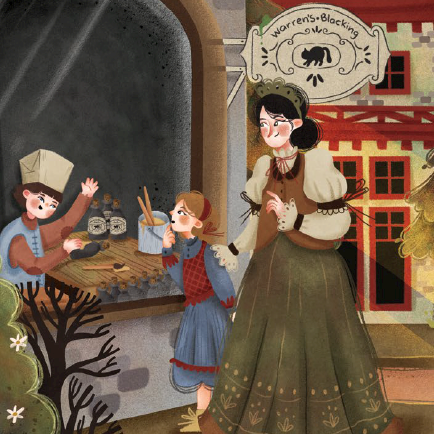
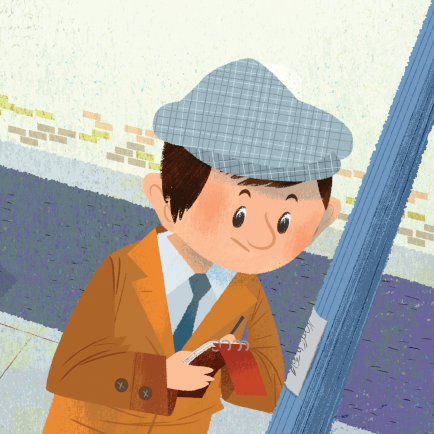
The Amazing Adventures section of our magazine features stories about the childhoods of exceptional people – but illustrating them poses particular challenges for artists! They have to portray real people and places while also adding artistic flair. Zeynep Büsra Ayaz rose to the challenge in formidable style, as you’ll discover when you read The Best of Times, the Worst of Times. This story is about how a young Charles Dickens came to work in a boot-blacking factory, and the artist really brings the grim, grimy, and lively London of that time to life.


Look at the way she uses the shapes of the buildings to add visual interest, and the bold first-person view of Charles pasting a label on a blacking pot! We’re sure that Charles (or ‘Boz’, as he was often called) would approve! On a side note, although Charles Dickens is thought of as one of the greatest Victorian novelists, most of his books actually take place in the pre-Victorian Regency era… which was when he grew up. You might recognize it in the illustrations – and that’s a very special detail Zeynep found when she researched his stories.
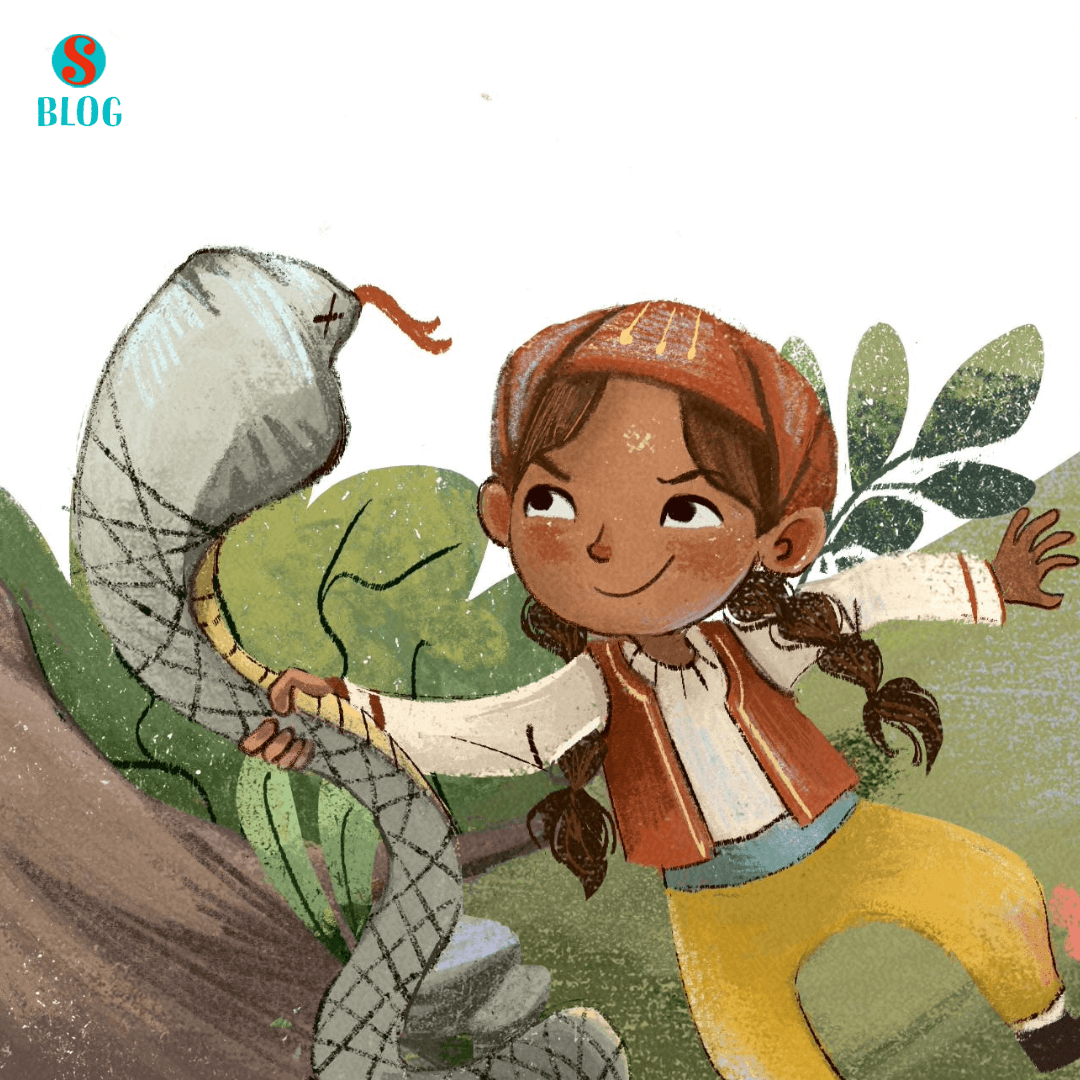
 

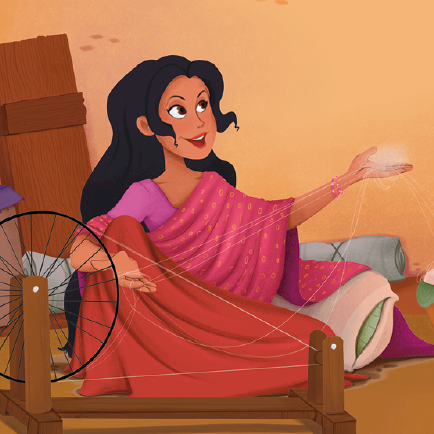
Antara Mukhopadhyay created wonderful images of the colourful characters that populate The Gift of Patience, an Indian story about a bold princess who makes her own fortune. Antara realized that the various characters’ personalities were the key to this story and gave them amazingly lively and expressive faces… as well as colourful clothes which fit in perfectly in the tale’s Indian setting. The story is great fun, but her art makes it even better.


We hope you enjoy sampling the tasty tales and flavourful art in this month’s magazine. It’s a fantastic summer of stories, and we hope this issue will keep you busy playing and reading! Be sure to tell us which story’s illustrations really caught your attention. Have a great summer!

Summer Reading Fun

Summer reading fun


Hey there, young adventurers! Summer is here, and it’s the perfect time to dive into the ocean of stories waiting for you. But wait – we’re not talking about doing homework or going through a required-reading list. We want to celebrate the magic of reading just for fun!


Why Read for Fun?

Summer reading funReading isn’t just about learning; it’s about going on adventures without ever leaving your back yard. It’s about meeting new friends in the pages of a book and visiting new and surprising places And the best part? You can set your own pace. There’s no race to finish, no scores to keep. It’s all about enjoying the stories that make you laugh, think, and dream.


We take reading for fun very seriously at Storytime! Our team came up with our favourite ideas for combining reading and enjoyment, but we would love to hear from parents, educators and readers, too – tell us what you like to do during the holidays that make summer reading fun!


Incorporating Reading into Playtime

  • Story-Picnics: Grab a blanket, some snacks, and your favourite books. In your garden or your living room, a story-summer reading funpicnic is a great way to enjoy reading with the sun shining down or the stars twinkling above.


  • Book-Themed Treasure Hunts: Create a treasure hunt where each clue is related to a story or a character from a book. It’s a thrilling way to bring stories to life and get everyone moving!


  • Dress-Up Storytime: Why not dress up as your favourite character while reading? It’s a fantastic way to bring stories to life and encourage imaginative play.


  • Reading Forts: Build a fort with pillows and blankets, grab a flashlight, and step into your private reading nook. It’s cosy and fun to create a special place just for you and your books.


  • Act it out! Reading is even more fun if you bring friends and family along for the ride! Why not choose a story to enjoy together? We suggest picking one where different characters talk to each other – different people can take on different parts and read them out in funny voices. See if you can make your friends crack up laughing!


Add some Magic!

summer reading funRemember, reading is not about how many books you finish; it’s about the stories that stay with you long after summer is over. It’s about the characters that become your friends and the adventures that spark your imagination.


So, as you splash in the pool or relax under a shady tree, let Storytime be your gateway to new worlds. We’re here to make sure your summer is filled with laughter, learning, and, most importantly, fun!


Storytime Issue 119 Out Now!

Summer reading

Stories That Make a Splash!

As the school doors close, endless summer adventures await! This month, we’re diving into a world where magic is in the air and the sea. Are you ready for Storytime’s summer issue? We promise lots of tales you won’t forget!


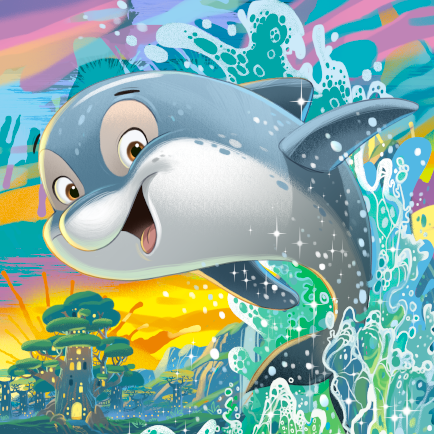
The Dolphin

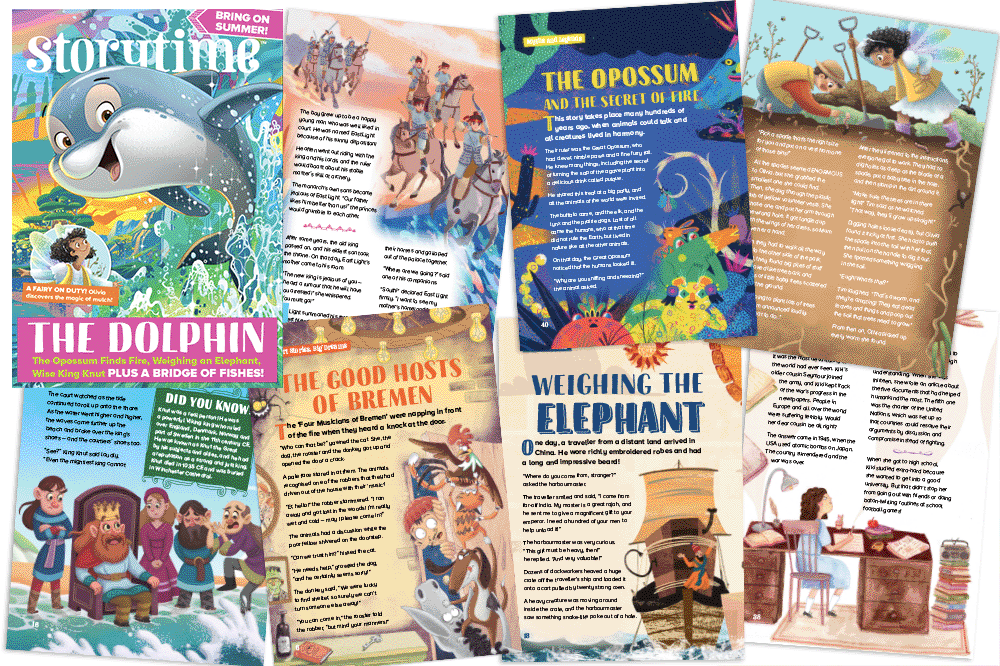
Our first tale features a dolphin unlike any other! What makes him special, I hear you ask? He can talk, for one thing… In the story The Dolphin, our cover star rescues a squabbling prince and princess in distress and teaches them the true meaning of teamwork and bravery. Dago Baute’s mesmerizing art is a portal into the dolphin’s magnificent submarine realm…


Summer reading The Bridge of FishesWe keep the excitement flowing with a story from our Around the World Tales section. In this amazing tale, fish friends get together to help a Korean hero by creating The Bridge of Fishes. The stunning illustrations by Alex Nguyen bring this amazing sight to life, teaching us that even the smallest creatures can make the biggest difference.


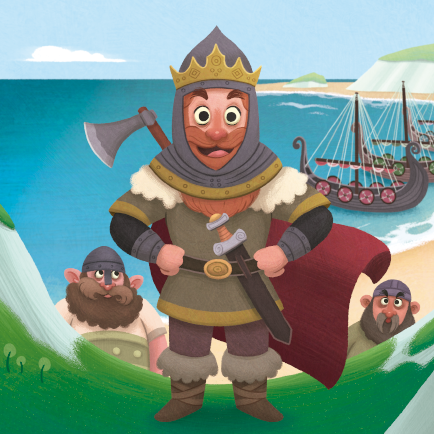
Summer reading King Knut and the Tide

The sea holds many secrets, and its untamed power can teach wisdom to even the greatest kings. That’s the theme of King Knut and the Tide. Pamela Wehrhahne illustrates it in fabulous style, bringing humour to this famous story of a grumpy king who gives is flattering courtiers a lesson in humility!


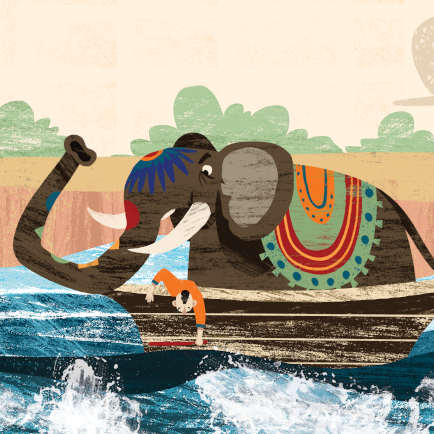
Summer reading Weighing an Elephant

An elephant also makes waves in this issue! Weighing the Elephant is a fable set in China, and he is floated in a boat to see how heavy he is! The very talented Thais Mesquita illustrates a journey of discovery, where a young boy uses observation and logic to uncover the secrets of the world…


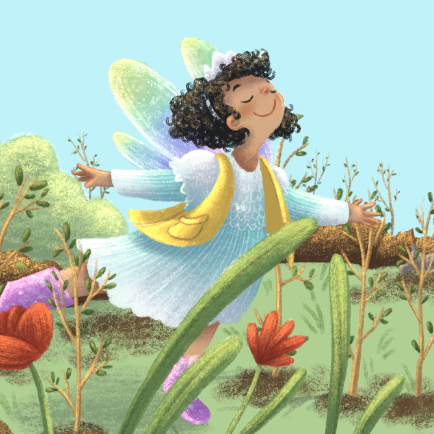
The Mulch Fairy

On firmer ground, the Mulch Fairy flutters into our hearts as she shares the joy of planting trees and bonding with members of your community. This story is a tribute to all the volunteers who make our neighbourhoods bloom with kindness and care. Silvia Biondi gives it a whimsical touch with her delicate brushes!


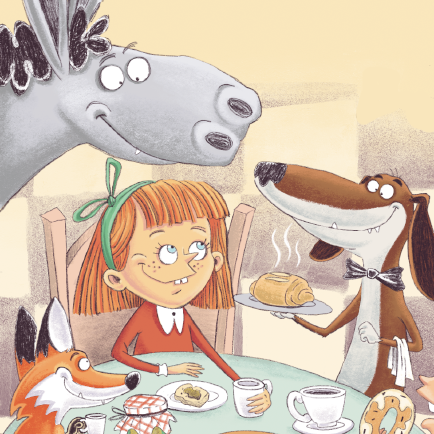
As night falls, it’s time for a bedtime story that brings a classic fairy tale to life. The musicians of Bremen have hung up their instruments and opened the cosiest inn in town, serving up the tastiest breakfast you can imagine. Dante Guerino’s  turned every page into a feast for the eyes, as vibrant as the meals are delicious!


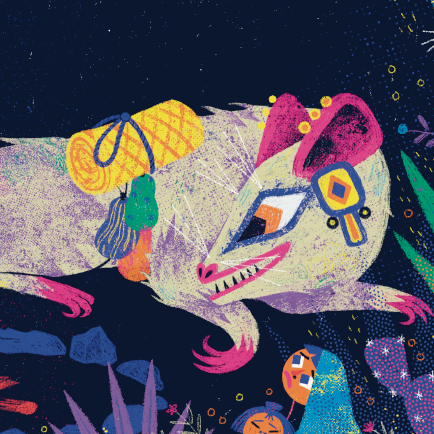
This month’s myth will transport you deep into the underworld of Aztec legend, and Daniela Martin Del Campo’s art gives it a vibrant and unmistakable Mexican feel. The Opossum and the Secret of Fire is an adventure story that features, rich colours, a bold and unique visual style and an unforgettable furry hero!


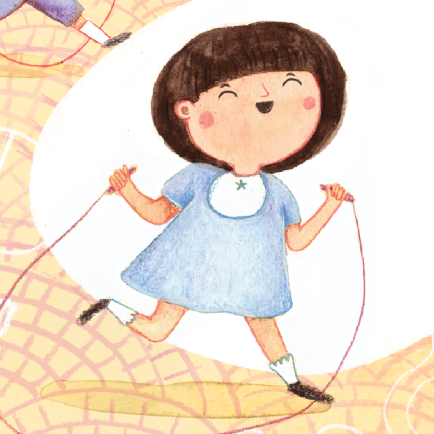
We wrap up this issue by celebrating the life of Ruth Bader Ginsburg, a woman whose determination and grace have inspired countless girls to chase their dreams. Her Mother’s Daughter, illustrated beautifully by Aleksandra Szmidt, will leave you feeling empowered and ready to make your own mark on the world!


We’re eager to find which story will become your summer favourite! And remember, there’s another stunning issue waiting for you next month. Whether you’re splashing in a pool, the sea, or just a bubbly bath, we hope also enjoy plunging into these wonderful tales! Happy reading.

The Artful Dance of Growing Up


“Before a child speaks, it sings. Before they write, they paint. As soon as they stand, they dance. Art is the basis of human expression.” – Phylicia Rashad


The Artful Dance of Growing UpIn childhood development, play is not merely a break from learning; it is the stage where the most profound learning occurs. By singing, painting, and dancing, children express their understanding of the world and their place within it. It’s no surprise that play comes naturally to us! Before we learn anything else, we are able to play. Children come up with imaginary friends and play games of make-believe instinctively.


Having creative outlets to express themselves and their imaginations is good for the mental health of children. Unfortunately, art and music education is facing a challenging era, with significant funding cuts across the world. In the US, the presence of arts education in public schools has seen a marked decline since the early 2000s, while the UK has contemplated halving arts higher education funding in recent years. In England, we face a ‘creativity crisis’, with a significant drop in the number of creative arts students and teachers over the past decade. (1)


A survey by the Association of School and College Leaders revealed that 72% of leaders reported cutting creative subjects from their curriculum. These reductions not only diminish the richness of cultural education but also overlook the arts’ contribution to cognitive development and student engagement. (2)


As the arts face undervaluation, the importance of play, imagination, and creativity in nurturing human potential cannot be overstated. Yet, the increasing demands on children’s schedules leave little room for such essential activities. It’s a stark reminder that sidelining the arts risks losing the creativity that should define our youth and shape our future.


Imagine a world where learning isn’t just sitting and listening, but singing at the top of your lungs, painting with fingers, engaging with stories, and dancing like nobody’s watching.


The Joy of Playful Learning

The Artful Dance of Growing UpArt and stories provide a canvas for children to express their inner worlds. When a child grips a paintbrush, they are not just splashing colours on a paper; they are learning to control their movements, recognize patterns and express emotions. Similarly, when they lose themselves in a story, they are not just following a narrative; they are walking in someone else’s shoes, developing empathy, and expanding their understanding of different ways to live and be.


When kids play, they’re not just having fun—they’re becoming mighty problem-solvers and emotional ninjas. They’re learning the art of being human, and they’re masterpieces in progress!


Crafting Time for Creativity

In our structured world, it is crucial to carve out time and create spaces to encourage children to engage in art and storytelling. We are all responsible for helping to raise the next generation, and we must recognize that artistic outlets are not just ‘extracurriculars’ – they allow kids to express themselves and develop into fully rounded human beings.


When we created Storytime, making reading fun was – and continues to be – our mission. We aim to engage readers our readers by helping them enjoy the reading experience. That way, they can learn and absorb ideas without even noticing! While ‘Edutainment’ might be a buzzword right now, the idea behind it has merit: we do learn better when we are having fun!


The Artful Dance of Growing UpOur busy world moves so fast, but we should make time to press pause and make room for magic. Let’s build sandcastles in the living room and read tales that transport us to other worlds. Art and play is not just fun—it provides a fertile space in which children can grow and explore.


Engagement in art and stories does more than just encouraging creativity. It fosters wellbeing and mental resilience, equipping children with the tools to face life’s challenges. Through play, they learn to problem-solve, to handle emotions, and to navigate social dynamics. These are the skills that allow individuals to flourish, to adapt, and to find joy even in adversity, and they will be essential in later life.


Keeping the Spark Alive

Let’s not forget the power of play. It’s the secret ingredient in the recipe for innovation and happiness. So, when was the last time you played? As we champion the cause of play in childhood, let’s also sneak it into our grown-up lives. Because believe it or not, playing might just be the most grown-up thing we can do. And how to keep the play alive as an adult? Ah, that’s a tale for another day.


Data source:

1: https://theconversation.com/arts-education-is-facing-massive-cuts-yet-its-value-is-felt-everywhere-160844

2: https://www.royalacademy.org.uk/article/art-teaching-in-decline-in-our-schools)

Storytime Issue 118 Out Now!

Pixel Power

Making New Friends!

Characters in stories often find valuable treasures, from magic rings to chests of gold and priceless family heirlooms. But the best stories are usually about something more valuable than any of these: friendship!

This is because true friends stay with us through the good times and the not-so-good times. They are a gift that never stops giving!

It just so happens that this issue is about friends of all kinds… here are the ones you will meet along the way…


Pixel PowerOur cover star is Pixel, a virtual character created by a girl named Gabbi. She loves coding and drawing, but has trouble making friends in her class. That’s why she decided to make one as a special project! ‘Pixel Power’ is about how she makes and gets to know her new friend.

This tale admits that it can be difficult to make human friends, especially if we have interests that are thought of as being a bit ‘weird’… but it is best to be true to ourselves while also being open to others. We’re sure you’ll love the beautifully vibrant art created by Vanessa Morales, who really brings little Pixel to life!


Alan Turing

‘Alan Cracks the Code’ is a tale with a similar theme! It’s a story about the childhood of Alan Turing, the brilliant mathematician and computing pioneer who helped to crack vital German codes during World War II. As a young boy, he preferred maths and doing chemistry experiments to football, which meant that he stood out among his classmates.

But in the end, Alan did make a friend who was almost as brilliant as him! Any kid who feels a bit lonely sometimes can take inspiration from his story – and the sweet illustrations by the talented John Joven, of course!


The Barefoot Princess

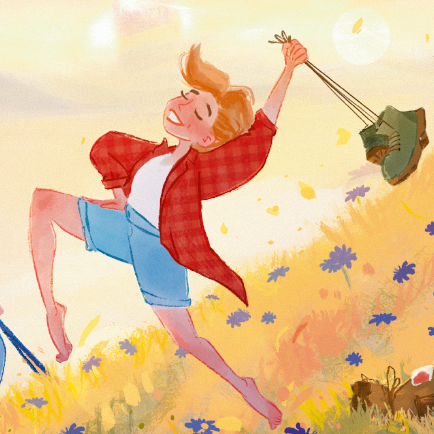
One of the best things about having friends is that they can open us up to new experiences. That’s what happens in ‘The Barefoot Princess’… Meribel (the main character in the Hans Christian Anderson story ‘The Princess and the Pea’) gets invited to go on a hike with her friends Cinderella and Sleeping Beauty.

Her sensitive feet get sore in her hiking boots… so the other princesses encourage her to go without! The painterly art by Ayla Valiyeva gives a fun and fresh take to these classic characters that you are sure to love…


Samba the Coward

True friends have our back, even if we’re not perfect! ‘Samba the Coward’ is an African tale about a prince who lacks courage, even when bandits threaten the kingdom! He befriends a princess, and when she discovers that he lacks courage, she doesn’t abandon him.

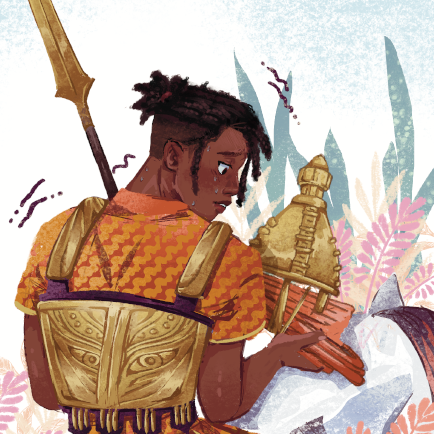
She accepts this part of him and helps him to overcome it, as a true friend should. The illustrations for this story are absolutely spectacular – Kandice Johnson took inspiration from the historic African kingdom of Benin, and they are full of colour and life!


Inanna goes to the underworldFriends also help us out when we’re in trouble! Inanna was the ancient Sumerian goddess of love and fertility, and she makes a serious mistake when she goes to visit her sister in ‘Inanna Goes to the Underworld’.

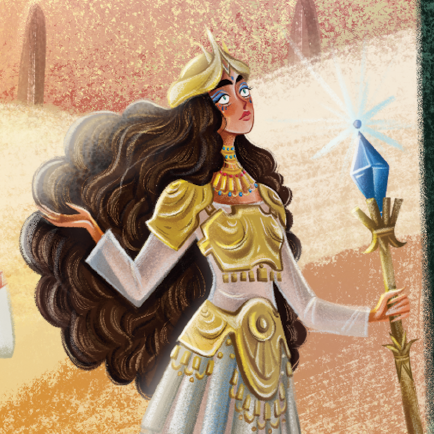
It turns out that goddesses of the underworld don’t like to let visitors leave their kingdom. Fortunately, her faithful maid Ninsubur is able to save her, with help from some kindly spirits. Elena Iarussi is responsible for the gorgeous and appropriately dreamy art…


These five stories are about how wonderful friendships can be… but there are also three stories in this issue about what can happen when we take our friends for granted and don’t treat them well!


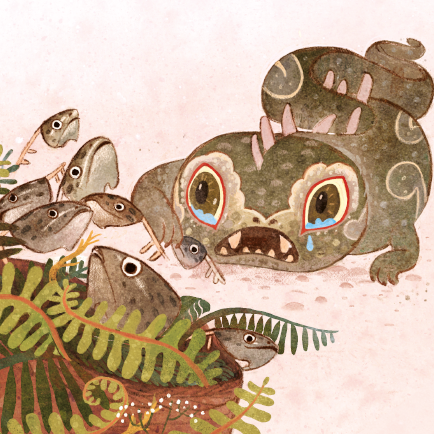
The basket of eels‘The Basket of Eels’ is a Maori tale set in New Zealand. The inhabitants of a fortified village are lucky enough to have a giant spiky lizard as a guardian, and they give it delicious grilled eels every day as a thank-you.

But when the chief’s grandkids get greedy and gobble up these treats, their scaly friend gets most upset! We were lucky enough to get Julia Hegetusch to illustrate this story – she comes from New Zealand and captured the beauty of the New Zealand landscapes and Maori culture perfectly.


Another story on the theme of treating friends with respect is ‘The Giant of Lake Batur’, which takes place on the island of Bali in Indonesia. The title character is Kibo Iwa, or ‘Brother Buffalo’ – he is a huge fellow with a huge appetite!

He can do an enormous amount of work, but throws terrible tantrums when he isn’t fed enormous meals. How do the people of Bali cope with such bad behaviour? You’ll have to read the story to find out! Artist Wastana Haikal is from Indonesia, and his portrayal of the vibrant colour and beauty of Bali is a sight to behold. (He also helped by giving us the correct name of the title, too!)


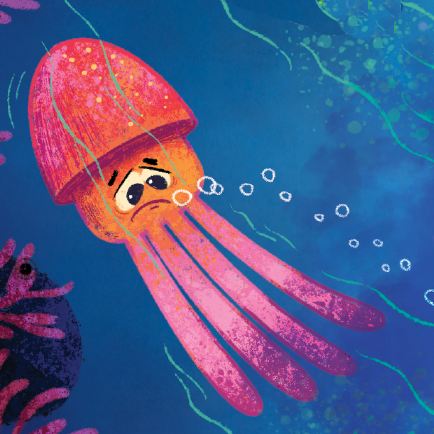
The cuttlefish and the squidThe third story with a message about upsetting people through bad behaviour is ‘The Cuttlefish and the Squid’, an undersea fable from the Philippines. The king of the ocean holds a meeting to give honours to his most favoured subjects… unfortunately, the molluscs of the title arrive late, push to the front and then squirt ink all over everyone.

Being rude is no way to make friends, as they learn! Yogesh Mahajan rendered dozens of wonderful undersea lifeforms for this story. Can you spot them all?


We hope you enjoy all these stories. Perhaps they will encourage you and your little ones to think more deeply about their own friendships and why we should cherish them? Please let us know who is the favourite friend you met while reading this issue!

Narratives That Nurture

Narratives That Nurture


We all know that reading stories is a great source of entertainment – we have all seen our little ones spellbound by a fairy tale or legend! Reading can also, expand their vocabulary and increase their knowledge of the world, and boost their literacy skills.


But have you considered the role that stories play in developing a child’s emotional literacy? For parents, carers and educators, stories are a powerful tool to help children learn about emotions and develop the resilience they need to engage with the wider world.


Read more storiesStories allow children to experience vicariously the challenges faced by characters, understand the emotional responses, and observe the resolution and resilience demonstrated. This experience is crucial in helping children develop their own coping mechanisms and resilience in the face of real-life challenges.


Building Emotional Literacy with Storytime

Storytime has long been a treasure trove of tales that spark imagination and impart valuable lessons. Many of them teach valuable lessons about how to navigate the complex landscape of emotions and resilience. Here are just a few stories that your children might find enlightening and educational…


Jack Makes the Princess Laugh: Appearing in issue 59, this story highlights the transformative power of laughter and joy in overcoming sadness.


Moving Day: This science fiction tale featured in Storytime issue 69. It may be set on the Moon and Mars, but it focuses on universal themes – new beginnings, moving to new places, and the role that empathy and kindness play in making friends.


The Girl Who Knew No Fear: In issue 94, you will find this classic story about a girl who faces scary situations without so much as a shiver. However, by the end she finds something that she is afraid of! This story will make young readers think about what fear is… and what it truly means to be brave!


The Goblin in the Garden: Dealing with separation and moving house is an evergreen theme for stories, and so many kids can relate to these emotions. This story from issue 97 deals with these ideas and adds a little touch of enchantment.  When children encounter similar situations in their own lives, they can think of how May, the heroine of this story, dealt with her emotions…


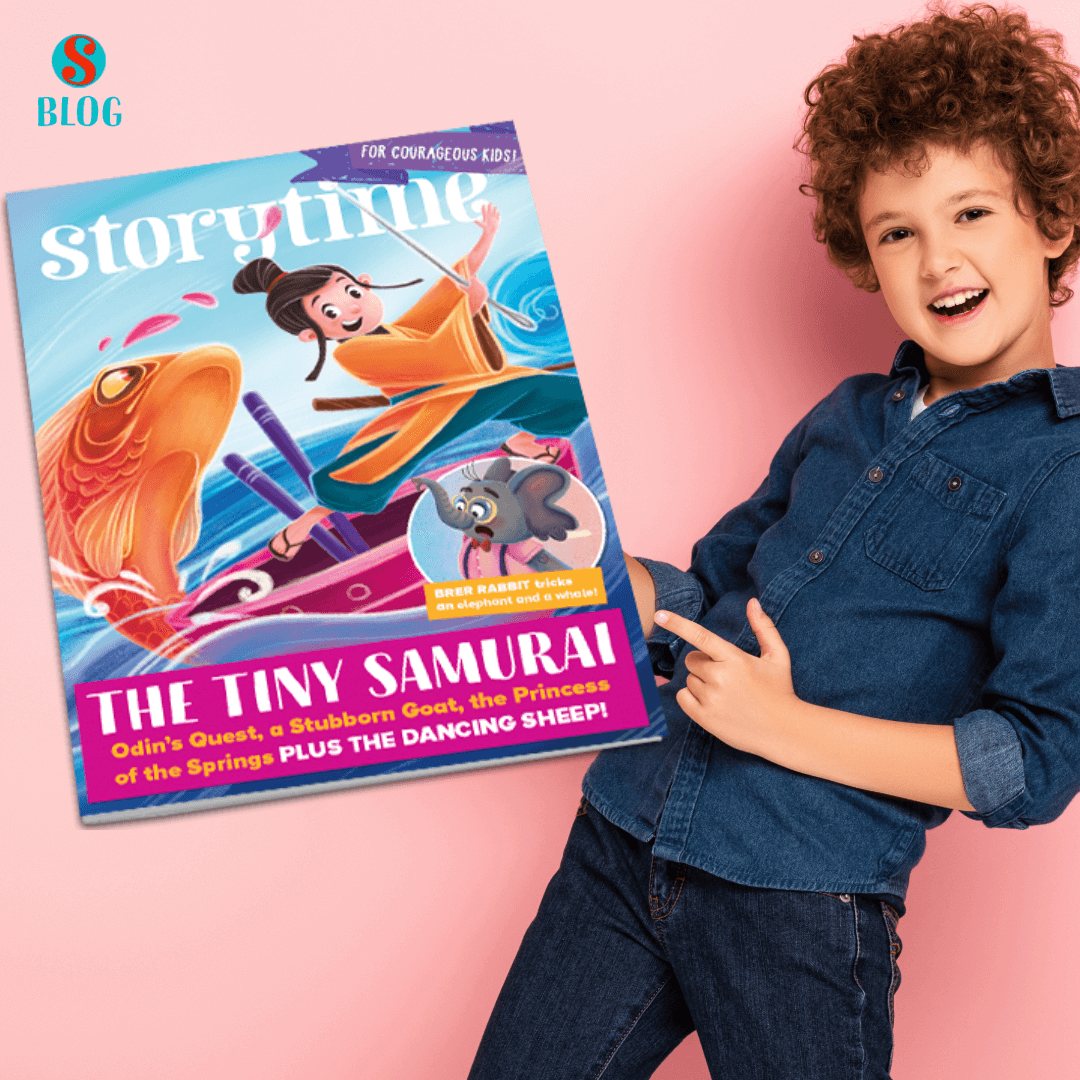
The Tiny Samurai: Children often feel like they are in a world that is too big for them – it’s difficult to navigate a world built and populated by huge adults! That’s the key to the appeal of this story, which adds a Japanese twist to a story of a tiny character stuck in a normal-sized world. However, they can take inspiration from how tiny Issun-Boshi triumphs over an ogre and becomes a hero… through a combination of bravery, politeness and skill. He provides a great example for any child who feels out of place in an outsize world!


StorytimeThese narratives serve as mirrors for children to see their emotions reflected and as guides to help then navigate their feelings. We focus on providing content that is full of situations and role models that kids can identify with.


My Mind Matters!

In addition to the inspirational themes that can be found in our stories, we also provide advice on developing emotional literacy and resilience and coping with challenging situations. The My Mind Matters section in Storytime is written by Jessica Bowers, a well-being writer, counsellor and consultant for the magazine. Every month, she provides ideas and activities about emotions, coping skills, and effective communication.


Jessica’s experience as a counsellor and psychotherapist has given her great insights, which she shares in the My Mind matters section. She provides practical and accessible advice and activities that help kids to get in touch with their feelings and develop the ‘emotional toolbox’ they need to get the most out of life. emotions and fosters an environment where discussing feelings is a natural part of everyday life.


We hope you continue to share the gift of stories with your children – they contain seeds of emotional wisdom and strength. Remember, the stories we share with children today can shape their tomorrow.


Happy reading!

Storytime Issue 117 Out Now!

The Lady Cat

Welcome to the Enchanted Kingdom of Stories!

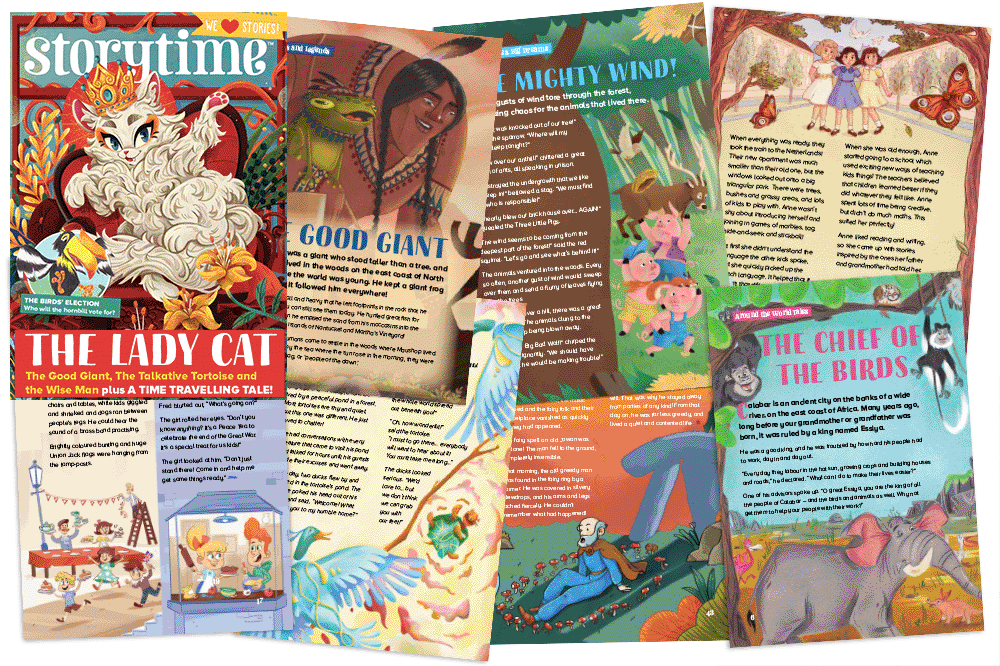
This month, Storytime magazine takes you on a whimsical journey through a realm where imagination reigns supreme! Our latest issue is a celebration of tales and characters from lands both distant and familiar, woven together in a tapestry of magic and wonder. Each story has its own enchantments, and we suspect that every reader will find a favourite inside. Read on… and discover the wizards (oops, make that artists) who bring these tales to life!


On our cover, The Lady Cat beckons you to explore the most fantastical of kingdoms. Her stunning portrayal is the work of the incredibly talented Gabi Tozati. Follow her on Instagram at @gabitozatiart to see more of her enchanting illustrations.


The Mighty Wind

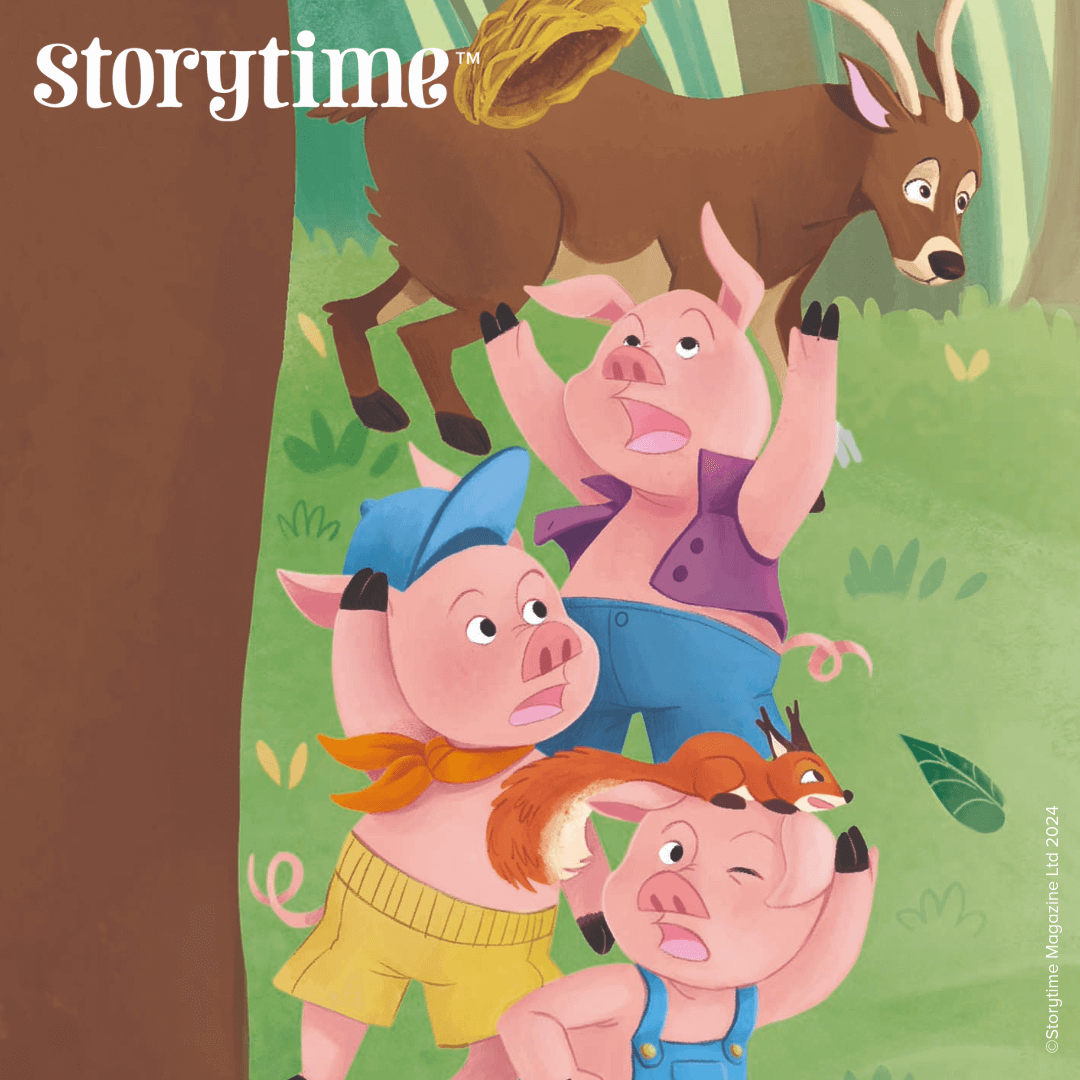
Next, we invite you to venture into the forest realm where The Mighty Wind is causing havoc. By the end of the tale, readers discover the source of the storm…  and the three little pigs and the wolf become friends! The captivating forest scenes are beautifully crafted by Alessia Gilli.


Don’t ever try to steal from the fairies or they’ll make you dance till you drop! The Greedy Old Man is about an unfortunate fellow who ignored this warning… Ramona Bruno’s vibrant art will transport you to Cornwall, the setting of this classic folk tale.


The Chief of the Birds

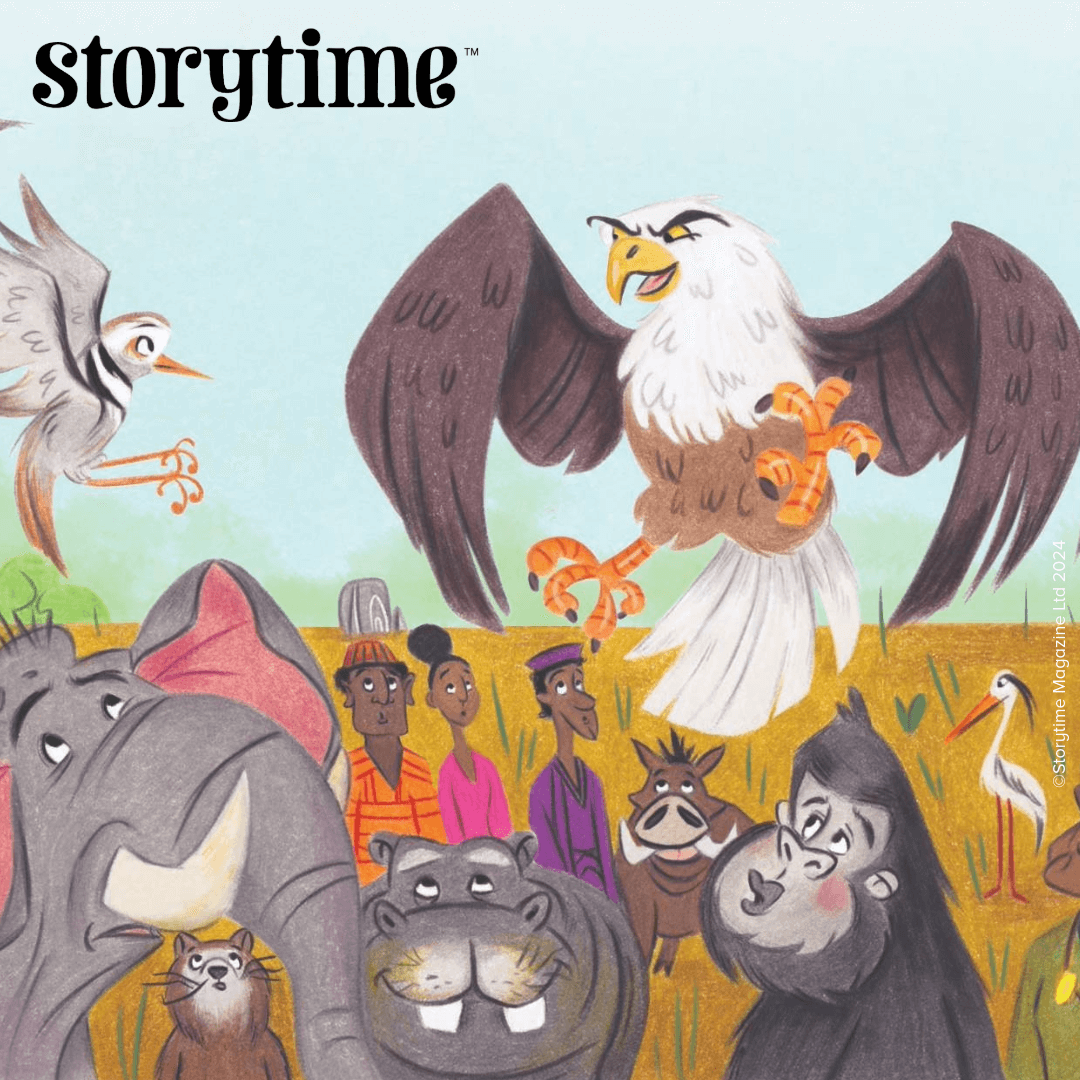
Our adventure continues in the African jungles, where we help choose The Chief of the Birds. Lisa Batagglini’s artistry led to the creation of some breath-taking visuals. See if you can spot all the colourful creatures in her gorgeous illustrations!


In the meantime, we headed to South Asian shores where Yuri Peron gifts us with an elegant rendition of the retelling of the fable The Talkative Tortoise, featuring amazing Tibetan ducks and intricate and beautiful designs.


Time Travelling Party Crasher The Lady Cat

Artist Andres Hertsens transports us back to 1919 in Time-Travelling Party Crasher! – you can almost taste the delicious food he has depicted in his fun-filled scenes. Who’d like some Bakewell tarts and Battenberg slices?


Kindness always wins out in our stories, and The Good Giant’s tale is about the triumph of the spirit. Ahmed Madbolly faced the challenge of bringing this old Native American tale to life and succeeded with flying colours. After seeing his illustrations, you will also want a pet frog like the one in this myth!


Anne Tells Her Tale

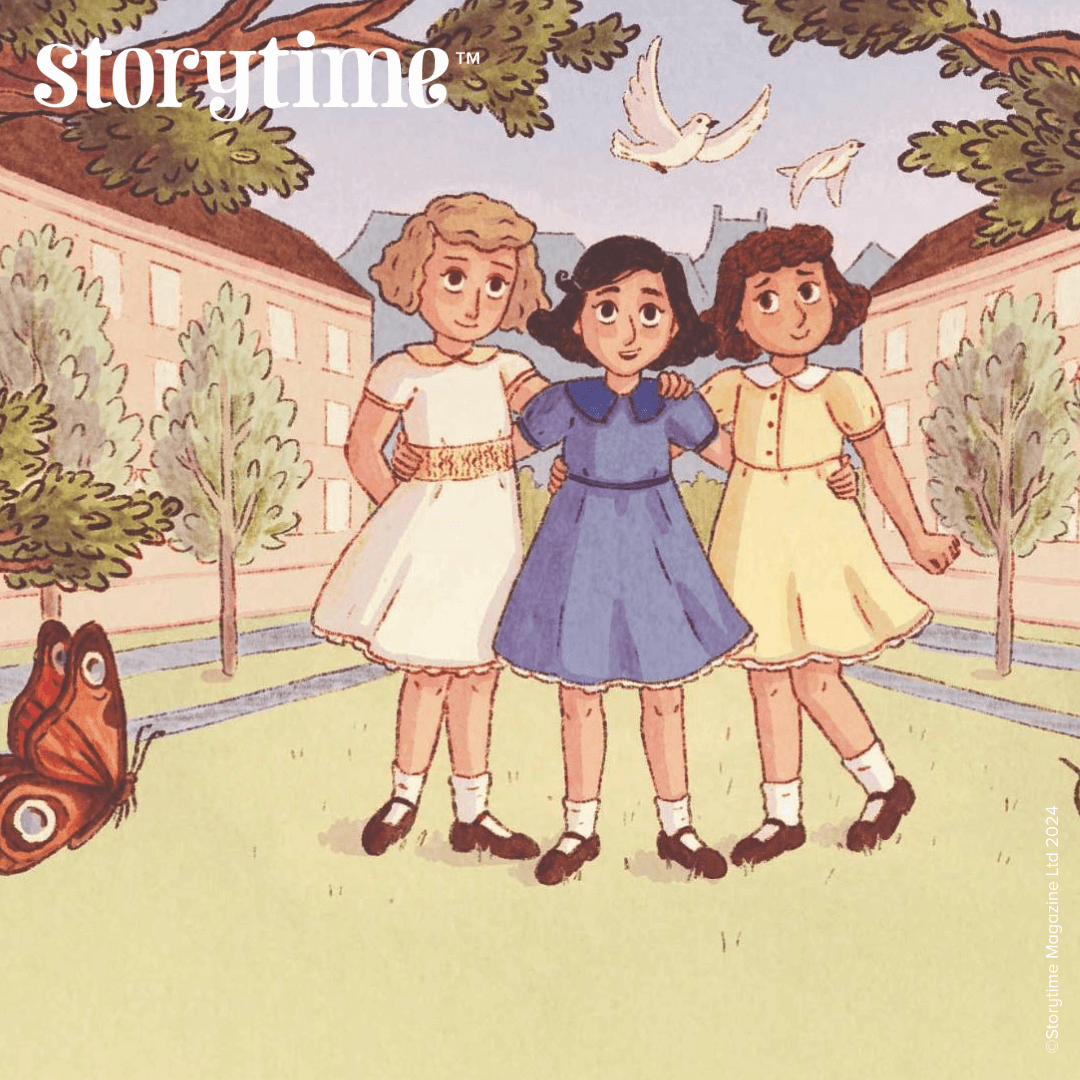
Lastly, our hearts were captivated by the story of Anne Frank, whose diary entries became timeless tales. Lily Uivel’s beautiful artwork brings the girl’s world to life, and Anne Tells her Tale is one of the most poignant Awesome Adventures we have ever published!


Join us in this issue of Storytime as we celebrate the power of storytelling and the artists who make these stories leap off the pages. Here’s to finding your new favourite place within our kingdom of stories!


We hope you enjoy this magical journey as much as we enjoyed crafting it. Until next time, keep the stories alive in your heart!

Reading to Young Kids: The Million Word Gap

The Million Word Gap


Stories are fun, but they are also educational! According to a report by UNESCO, reading to young kids can familiarize them with sounds, words, and language and nurture literacy skills. It can also introduce them to the wonder of stories, and spark their imagination and curiosity.


A study by the Melbourne Institute of Applied Economic and Social Research found that daily reading to young children improves schooling outcomes, regardless of family background and home environment. The OECD Program for International Student Assessment (PISA) results also indicate a strong correlation between parents telling stories to children when they are little and reading achievement at age 15. These lucky kids perform one to two years above their peers!


Another example of the effect that reading to kids can have is found in a study by Ohio State University. Children who were read up to five books a day before starting school had heard 1.4 million more words than those that had never been read to. This “million word gap” could help explain differences in vocabulary and reading development. Even being read just one book a day can lead to them being exposed to hundreds of thousands more words…..


(Source: https://www.sciencedaily.com/releases/2019/04/190404074947.htm)


Here are four top reasons why reading to children from a young age is super important:


  • Reading stories can familiarise little ones with sounds, words, and language! They will learn how words are pronounced, spelled, and used in different contexts.  Children will also develop the ability to understand the structures and meanings of sentences, paragraphs, and texts and improve their listening, speaking, writing and comprehension skills.


  • Reading stories can introduce your child to the value of books and stories! Stories can spark your child’s imagination and curiosity, and inspire them to explore new topics and ideas. Reading stories can also foster a love of learning, and motivate your child to seek more information and knowledge. Along the way, they will discover different cultures, perspectives, and experiences, and develop empathy and respect for others.


  • Reading stories can promote your child’s brain development and ability to focus and concentrate! Tales stimulate your child’s brains and enhance their memory and cognitive skills. They will learn to pay attention and follow a sequence of events, which can improve their comprehension and problem-solving abilities. Reading stories can also help your child relax, which will improve their mental health and well-being.


  • Reading stories can help your child build social, communication, and emotional skills. Stories can provide opportunities for your child to interact with you and others, and to express their thoughts, feelings, and opinions. Reading stories can also strengthen your bond with your child and create lasting memories.


So now we know how good of a habit it is, here are some top tips to get you started!


  • Make reading a daily habit. You can start reading to your child from the day they are born, or even before! Make reading a routine by sharing a book or a story with your child every day, preferably at the same time and place. You can read before bedtime, after breakfast, or at any time that suits you and your child. Reading regularly can help your child develop good reading habits and attitudes.


  • Read in front of your child. Let your child see you reading for pleasure. Your child will learn from your example and see that reading is fun and valuable. You can also talk to your child about what you are reading and why you enjoy it, and encourage them to share their own reading preferences and experiences.


  • Create a reading space. Make sure your child has a comfortable and cosy place to read, with enough light and room to keep their books and stories. Having a reading space can help your child associate reading with relaxation and comfort, and make them look forward to reading time.


  • Take trips to the library. The library is a great place to find new books and stories for your child, and to expose them to different genres and formats. Many libraries also have story hours or other literacy programs for children, where they can listen to stories, meet other readers, and participate in activities.


  • Let your child choose what to read. Give your child some freedom in selecting their books and stories. You can guide them by suggesting some options or categories, but let them make the final decision. Your child will be more interested and engaged in reading something they picked themselves, and they will learn to trust their own judgment and taste.


  • Find reading moments in everyday life. Reading is not only about books and stories. It is also about signs, labels, menus, instructions, and other texts that we encounter in our daily lives. You can help your child recognize and read these texts, and explain their purpose and meaning. This can help your child see the relevance and usefulness of reading, and apply their reading skills to different situations.


  • Re-read favourite books and stories. Don’t worry if your child wants to read the same book or story over and over again. This is a normal and beneficial behaviour for young children. Re-reading can help your child remember and understand the story better, and notice new details and connections. Re-reading can also give your child a sense of familiarity and confidence, and make them feel proud of their reading ability.


  • Learn more about how children read. You can support your child’s reading development by knowing what reading skills and strategies to expect at different ages and stages. You can also learn about the best ways to help your child with reading difficulties or challenges, and how to encourage and praise their reading efforts and achievements.


We hope these tips will encourage you to foster a love of reading in your little ones.

Our short stories are ideal for a bedtime routine and the illustrations in Storytime are engaging and full of magic, the perfect start for young readers to fall in love with stories. So pick up your favourite issue and let us know how the new reading routine goes. Happy story time, peeps!

Storytime Issue 116 Out Now!

The Tiny Samurai

A Storytelling Journey Through Our April Issue!

Welcome, young readers and story enthusiasts! This month, we’re taking you on a magical journey through a world of enchanting tales, beautifully illustrated and filled with wonder. They are as diverse as they are delightful and will captivate readers big and small. So cosy up, and let’s dive into our latest issue!


The Tiny SamuraiOur cover features the classic Japanese tale of Issun Boshi, ‘The Tiny Samurai’. His story proves that size doesn’t matter if you have courage in your heart. The lovely illustrations by Ekaterina Savic will transport you to legendary Japan!


Brer Rabbit

Next, we hop into the world of Brer Rabbit, the trickster hero of African-American folklore. His tales teach us that brains often triumph over brawn, and that is certainly the case in How Brer Rabbit Fooled the Elephant and the Whale!  Claudia Marianno uses an amazing palette of colours to create a unique and distinctive take on this classic tale.


This month’s World of Wonder is actually… Nala’s Grandma’s farm! The clever girl on a mission to help her grandma milk a stubborn goat. Will she succeed? You’ll have to read to find out! Nala and the Nanny Goat is written by the talented author Kathryn England and features lively art by Viv Campbell that will make you fall in love with Nala’s world!


Bo Peep

Our lovely illustration feast continues with The Sheep Factor, a tale about three lambs who go to a concert… and end up taking centre stage! Bo Peep needn’t worry about her lost sheep – and Gabriela Grave glammed them up for this special performance!


Florence NightingaleThe Courage to Care tells the true story of famous British nurse Florence Nightingale. Take a trip to the grand mansion where she lived as a child, which is illustrated by Andrea Noca. We are sure that Florence’s tale will inspire readers to make a positive difference in the world!


Hans Christian Andersen

Our next story is set in a humble apartment… but a blossoming plant makes a big difference to the mother and child that live there. The Pea Blossom is a wonderful Hans Christian Andersen story, and we love the art provided by Mirti Illustrations – it certainly made us smile!


The Eye of Odin

We round off this issue with two epic adventures. The Eye of Odin takes us on a thrilling journey down the cosmic World Tree of Norse mythology, and the stunning graphics are the work of Dino Caruso Galvano.


The Princess of the Springs

The Princess of the Springs is an epic South American story filled with larger-than-life characters, filled with magic, mystery, and the promise of new beginnings. Its vibrant visuals and epic scenes are the work of Levi Gomes.


So, dear readers, prepare to be enchanted by these tales. Remember, every story is a door to a new world. All you need to do is turn the page!